




AI Voice-Enabled Patient Engagement: What Specialty Practices Should Expect in 2026
AI voice-enabled patient engagement now covers scheduling, benefits verification, prior auth, and billing calls in one system. See what to evaluate be

Most outbound reminder tools were built to send, not to listen. A patient cancels, the slot sits empty, and by the time someone on staff sees it and starts working the waitlist, the window to fill it has mostly closed. AI handles that differently, and the gap in outcomes between the two approaches is bigger than most people expect.
TLDR:
Each missed appointment costs an outpatient practice an estimated $150 to $200 in lost revenue per slot, based on commonly cited industry figures. Across a busy specialty clinic running 80 to 100 appointments daily, even a 10% no-show rate translates to thousands of dollars in unrecovered revenue every week. That figure compounds, and the hidden cost of appointment no-shows runs deeper than lost slots when no backfill patient was queued to take it.
Outbound appointment reminders are proactive messages a healthcare organization sends to patients before a scheduled visit, prompting them to confirm, cancel, or reschedule. Where legacy systems sent a static text or robocall and stopped there, AI-driven reminders open a two-way conversation. A patient can reply to confirm attendance, flag a conflict, or request a new time, and the system responds accordingly without staff involvement.
The core workflow runs in three steps: the system identifies upcoming appointments, contacts patients through their preferred channel (phone, SMS, or email), and routes each response to the right next action, whether that is logging a confirmation, releasing a slot, or triggering a backfill sequence.
Reading appointment data is only half of what integration actually means. Many reminder systems pull visit information from the EHR to trigger outreach, but cannot write back. When a patient cancels, the slot stays marked as filled until a staff member manually updates the schedule. That lag is where backfill opportunities disappear.
Bidirectional integration closes that gap. A confirmed, canceled, or rescheduled response writes directly to the schedule the moment a patient replies, with no staff step in between. The slot frees in real time, and a backfill sequence can start immediately.
Integration depth determines the actual workload impact. Without write access, reminders create a second task queue: staff still monitor responses, update records by hand, and decide what to do with freed slots. The outreach ran automatically; the resolution still ran through a human.
Most outbound reminder workflows send one message and call it done. Research on automated appointment reminders to cut no-shows suggests a three-touch sequence performs meaningfully better: an initial notice 72 hours out, a confirmation request 24 hours before the appointment, and a same-day check-in for high no-show risk slots.
AI handles sequencing automatically, adjusting timing based on appointment type, patient history, and slot urgency. A routine follow-up gets the standard cadence. A same-day backfill candidate gets an accelerated sequence within minutes of a cancellation.
Channel matters too. Many patients respond faster to SMS than voicemail, a pattern covered in detail when comparing AI voice vs. SMS and email reminders, so AI routes the 24-hour message accordingly.
Each channel carries a different weight in an outbound reminder sequence. Voice calls tend to reach patients who miss texts or don't check email regularly, making them valuable for high-risk appointments or older demographics. SMS gets the fastest response rates and works well for confirmations that require a simple reply. Email works well for detailed instructions or patients who prefer asynchronous communication.
A well-designed outbound reminder strategy layers all three, sequencing them based on time before the appointment and patient response behavior instead of blasting all channels at once.
A reminder that never asks for a response is just a notification. AI-driven outbound appointment reminders close that gap by embedding a confirmation request directly into the message, turning each touchpoint into a real scheduling decision.
When a patient replies to confirm, the appointment confirmation status updates in the EHR automatically. When they cancel, the slot opens for backfill. When there's no response, the system escalates based on configurable rules, whether that means a second outreach attempt or flagging the appointment for staff review.
When a cancellation comes in, the window to recover that slot is short. A patient who books a same-day appointment typically decides within hours, so the system that reaches the right person fastest wins.
AI-driven backfill works by matching the open slot against criteria like provider preference, insurance, and appointment type, one of several strategies to reduce no-show appointments, and ranking eligible patients by priority. Outreach goes to the right candidates first, and the first confirmed response locks the slot.
Manual staff callbacks rarely happen fast enough to beat the same-day booking window. Industry estimates suggest automated outreach can recover 30 to 60 percent of canceled slots, compared with low, staff-dependent fill rates from manual processes.
Outbound appointment reminders touch two regulatory frameworks that carry real financial exposure: HIPAA and the Telephone Consumer Protection Act (TCPA).
HIPAA governs what patient information can appear in a reminder message. Requirements for HIPAA-compliant AI appointment reminders mean voicemails and texts that include appointment details, provider names, or condition-related context count as protected health information, as detailed in the HIPAA Journal's guidance on compliant reminders. AI systems handling reminders must be configured to limit PHI exposure by default, not as an afterthought.
TCPA governs consent for automated outbound calls and texts. Healthcare reminders qualify for an exemption from prior express written consent, but only when the message is strictly informational and not promotional, a distinction the TCPA healthcare exemption rules outline in detail.
When a patient misses a reminder or a slot opens unexpectedly, the response window is short. AI voice agents handle that window by placing automated appointment reminder calls that sound conversational, confirm attendance, capture cancellations in real time, and trigger backfill sequences for newly opened slots.
The workflow typically runs in three stages:
The practical result is that no-show rates drop and open slots fill before they become lost revenue, not after.
Three metrics tend to separate reminder programs that actually move the needle from those that just log activity: confirmation rate, no-show rate, and backfill conversion rate.
Confirmation rate measures the share of reminded patients who actively confirm. No-show rate tracks how many scheduled appointments result in an empty slot regardless of reminder delivery. Backfill conversion rate captures how many of those recovered slots get filled before the appointment time, a core ROI metric covered in the AI scheduling and backfill guide.
A fourth metric worth tracking is cancellation lead time: how many hours before an appointment a patient cancels. Earlier cancellations give the backfill queue more runway to fill the slot.
| Metric | Baseline (manual reminders) | With AI outbound reminders |
|---|---|---|
| Confirmation rate | 55 to 65% | 80 to 90% |
| No-show rate | 12 to 18% | 5 to 8% |
| Backfill conversion rate | Low (staff-dependent) | 30-60% of recovered slots |
| Cancellation lead time | Often under 2 hours | Often 24-48 hours |
These figures reflect general industry estimates, not guaranteed outcomes, since results vary by specialty, patient mix, and appointment type.
Prosper AI runs outbound appointment reminders as a fully conversational workflow, not a one-way broadcast. The AI contacts patients by phone ahead of their scheduled visit, confirms attendance, and routes responses in real time: confirmations write back to the EHR automatically, cancellations trigger an immediate backfill sequence, and no-responses flag for staff follow-up- a workflow central to lowering patient no-shows with AI calls, so nothing falls through the cracks.
When a slot opens, the backfill logic ranks waitlisted patients by clinical priority and scheduling fit, surfacing the right candidates so outreach and slot recovery can move quickly.
A reminder that sends but cannot act on the response is still a manual process in disguise. Your schedule fills faster when confirmations write back automatically, cancellations trigger a backfill sequence, and no-responses escalate without staff chasing them down. Getting those pieces to work together is where most reminder tools fall short. Reminders are one entry point into a broader patient access platform that covers scheduling, benefits verification, and billing across the full patient journey. Get started with Prosper AI to see how the full workflow fits together.
AI-driven outbound reminders reduce no-shows by running a multi-touch sequence automatically: an initial notice at 72 hours out, a confirmation request at 24 hours, and a same-day check-in for high-risk slots. Each response writes back to the EHR in real time. Because confirmations and cancellations update the schedule the moment a patient replies, staff never need to manually log responses or monitor a second queue. The result is longer cancellation lead time and backfill sequences that can start before the slot becomes lost revenue.
A read-only reminder system pulls appointment data to trigger outreach but cannot update the schedule when a patient cancels; the slot stays marked as filled until a staff member manually corrects it. A bidirectional system writes the patient's response directly to the EHR the moment it arrives, freeing the slot in real time and starting a backfill sequence without a human step in between. That gap in write-access is where most canceled slots go unfilled.
With manual staff callbacks, backfill conversion is largely staff-dependent and rarely fast enough to beat the same-day booking window; industry estimates suggest meaningful improvement when outreach is automated. AI-driven backfill, by scanning the waitlist against the open slot and sending outbound texts to eligible patients in priority order, can convert 30 to 60 percent of recovered slots based on general industry estimates. Earlier cancellation lead time, often 24 to 48 hours with AI reminders versus under 2 hours with manual processes, gives the backfill queue more runway to fill the slot.
Yes. Prosper AI runs the full sequence as a conversational voice workflow: a scheduled outbound call confirms attendance, cancellations trigger an immediate waitlist-based backfill sequence, and confirmed responses write back to the EHR automatically without staff involvement. When a slot opens, the backfill logic ranks waitlisted patients by clinical priority and scheduling fit, contacts them, and books a replacement, all without a staff member initiating the outreach.
HIPAA requires that voicemails and texts containing appointment details, provider names, or condition-related context be treated as protected health information, so reminder systems must limit PHI exposure by default. Under TCPA, healthcare appointment reminders qualify for an exemption from prior express written consent, but only when the message is strictly informational and not promotional. AI systems handling outbound reminders in healthcare should enforce both constraints at the workflow level, not as manual review steps.
Discover how healthcare teams are transforming patient access with Prosper.
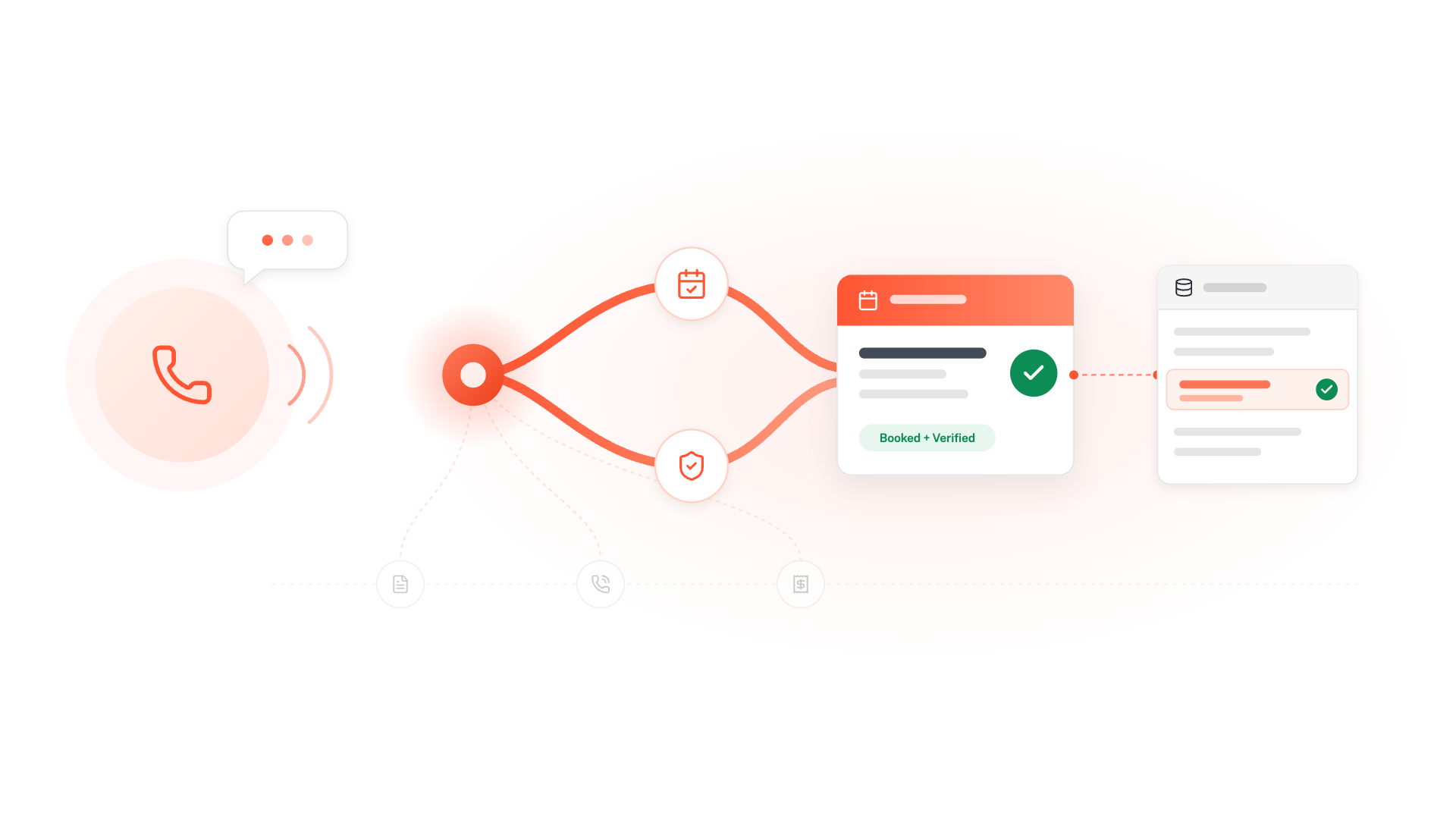
AI voice-enabled patient engagement now covers scheduling, benefits verification, prior auth, and billing calls in one system. See what to evaluate be
Compare 4 voice AI vendors for GI practices on colonoscopy scheduling, benefits verification, and prior auth calls. See which ones stop at booking.

Compare 5 AI voice agents for ENT and allergy practices. See which handle scheduling and the payer calls for prior auth and benefits checks.


