




Patient Recall for Specialty Practices: How to Bring Back the 46% Who Miss Their Follow-Up
Only 54% of follow-up patients return on schedule. See what late and lost patients are worth per physician and how voice AI brings them back.

Outpatient specialty clinics are the backbone of community healthcare, but they face immense administrative pressure. High call volumes, complex scheduling, and endless insurance follow ups can lead to long patient wait times and significant staff burnout. In fact, nearly one in three healthcare staff members now work in non clinical roles just to keep up. This administrative burden costs the U.S. healthcare system hundreds of billions annually, much of it tied up in phone based tasks.
The good news is that technology offers a powerful solution. Voice AI is transforming clinic operations by automating repetitive conversations and streamlining workflows. Key use cases for voice AI in outpatient specialty clinics involve automating patient access tasks like scheduling, enhancing care management workflows, optimizing revenue cycle functions like billing and insurance verification, and improving overall clinic operations. This article explores 22 of these applications, breaking down how this technology can free up your team and create a better experience for your patients.
Getting patients in the door is the first and most critical step. Voice AI can completely overhaul front desk operations, ensuring access is fast, simple, and available 24/7.
Coordinating appointments is a primary driver of inbound calls. When staff are overwhelmed, patients face long holds, and the average wait time to see a physician can stretch for weeks. Voice AI agents can answer calls instantly, find available slots based on appointment type and provider, and book the visit directly into your EMR. A GI group with over 100 providers used this technology to handle more than half of its front desk scheduling calls, dramatically cutting wait times for patients. For a deeper walkthrough, see our AI patient scheduling guide.
Patient no shows are a huge drain on revenue, costing the healthcare system an estimated $150 billion each year. While automated reminders are common, conversational AI takes it a step further. An AI voice agent can call patients with a friendly, natural sounding reminder, and even offer to reschedule the appointment during the same conversation if needed. This multi touch approach is highly effective at reducing no-show rates.
Patient needs don’t stop when your clinic closes. Roughly 11% of patient calls happen outside of business hours, yet very few clinics offer live 24/7 support. Instead of sending callers to a frustrating voicemail, a voice AI can provide instant assistance. It can answer common questions, schedule appointments for the next day, or intelligently triage urgent issues and page the on call provider when necessary. This is one of the key use cases for voice ai in outpatient specialty clinics for improving patient safety and satisfaction. For implementation tips, see our AI-powered healthcare contact center guide.
Confusing phone menus are a major source of patient frustration. In healthcare, high call transfer rates (up to 19%) show that patients are often bounced between departments before finding the right person. A conversational AI switchboard eliminates this problem. Learn how to automate call routing in healthcare. It greets callers with a simple “How can I help you?” and uses natural language understanding to route them to the correct department, automated workflow, or staff member on the first try.
Many patients call with the same simple questions about hours, locations, or insurance. A voice AI can act as a 24/7 self service FAQ, providing instant, accurate answers to these common queries. This frees up staff from repetitive work and empowers patients to get the information they need, whenever they need it. With around 67% of customers preferring self service for simple tasks, this is a must have for modern clinics.
New patient registration involves collecting detailed demographic and insurance information, a process that can be time consuming over the phone. Voice AI can automate this by guiding new patients through a structured intake conversation, capturing the necessary data, and entering it directly into your system, ensuring accuracy and saving valuable staff time before the first visit.
Lack of transportation is a major reason for missed appointments, accounting for up to 50% of no shows in some analyses. For patients who need assistance, scheduling a ride can be another logistical hurdle. Voice AI can manage these requests, coordinating with NEMT services to arrange transportation and ensuring patients can get to the critical care they need.
Voice AI also plays a crucial role in patient care and follow up, helping to close care gaps and improve outcomes. These clinical use cases for voice ai in outpatient specialty clinics focus on proactive patient engagement.
Failing to communicate lab results is a significant patient safety risk. Voice AI can automate the notification process for normal results, placing a call to the patient to let them know everything is okay. This provides peace of mind and ensures every patient receives confirmation, while flagging any abnormal results for a direct follow up call from a nurse or provider.
Patients have a right to their medical records, but the request process is often manual and slow, relying on faxes and paper forms. While portals are improving this, voice AI can help by managing inbound phone requests, verifying patient identity, and initiating the process for the health information management team, providing a clearer and more efficient workflow.
Medication related queries, including refills, make up about 34% of inbound calls to a clinic. An AI agent can handle the entire refill request process over the phone. It can identify the patient and medication, check for eligibility based on clinic protocols, and submit the request to the provider’s EMR for approval, all without a human touching the phone.
An estimated 50% of patients with chronic diseases do not take their medications as prescribed, a problem that leads to poor outcomes and costs the system up to $300 billion annually. Voice AI can make outbound calls to remind patients to take their medication, a simple intervention that is particularly effective for elderly patients who may not use smartphone apps.
Navigating complex care plans, especially in specialties like oncology or orthopedics, can be daunting for patients. A voice AI can act as a first point of contact, helping patients understand next steps, preparing them for upcoming procedures, and connecting them with a human care coordinator for more complex clinical questions.
Regular check ins are proven to help patients with chronic conditions stay healthy and avoid hospitalizations. However, making these calls manually is labor intensive. Voice AI can perform routine CCM check ins, asking patients a series of scripted questions about their symptoms and status. Any concerning answers can immediately trigger an alert for a nurse to follow up, allowing one staff member to monitor a much larger patient population.
Many patients fall behind on essential preventive screenings and vaccinations. Voice AI can power proactive outreach campaigns by calling patients who are overdue for services like mammograms or colonoscopies. The AI agent can educate them on the importance of the screening and even schedule the appointment during the same call, helping to close critical gaps in care. Some clinics have seen a 20% or greater increase in bookings from these campaigns.
A simple follow up call after a procedure or ER visit can catch complications early and reduce readmissions. Automated calls from a voice AI can check on patients, asking about their recovery and symptoms. If a patient reports a potential issue, the system can route the call to a clinician for immediate attention.
Understanding the patient experience is vital for improving quality of care. Instead of relying on low response email surveys, a voice AI can call patients after their visit to conduct a brief, conversational survey. This approach can increase engagement and provide your clinic with more timely and actionable feedback.
Financial workflows are a major source of administrative work and patient confusion. Automating these conversations is one of the most impactful use cases for voice ai in outpatient specialty clinics.
Confirming a patient’s insurance coverage is critical for avoiding claim denials, but it often involves spending 20 to 30 minutes on hold with payers. Voice AI agents can place these calls automatically, navigate the insurer’s IVR, and verify eligibility and benefits details with 99% accuracy (see our benefits verification guide for healthcare providers), significantly reducing the cost and time spent on this task.
Billing questions are the single most common reason patients call a healthcare provider, accounting for 52% of all inbound calls. A voice AI can answer frequently asked billing questions, provide patients with their current balance, and securely process credit card payments over the phone, improving collections and patient satisfaction.
Up to 65% of denied insurance claims are never resubmitted, resulting in lost revenue. Following up on claims is a tedious, manual process. AI agents can automate this by calling payers to check the status of aged claims, request Explanation of Benefits (EOB) documents, and document the outcomes (explored in our definitive guide to AI-automated claims management), helping your team recover more revenue at a lower cost.
Finally, voice AI provides tools to make your entire operation smarter and more efficient.
After a call, staff can spend several minutes on “after call work,” manually documenting the conversation. AI can automatically transcribe and summarize every call, creating a concise, accurate note that can be pushed directly into the patient record. This saves time, reduces errors, and ensures consistent documentation for every interaction.
Traditionally, managers could only review a tiny fraction of patient calls. With voice AI, you can analyze 100% of conversations. This provides invaluable insights into common patient questions, call trends, and agent performance. You can identify opportunities for improvement and make data driven decisions to enhance your patient experience.
An estimated 25.1 million people in the U.S. have limited English proficiency. Voice AI can provide support in multiple languages, like Spanish, allowing patients to schedule appointments or ask questions in their preferred language. This improves communication, ensures equitable access, and builds trust with diverse patient communities.
By implementing these use cases for voice ai in outpatient specialty clinics, practices can solve their biggest operational challenges. If your clinic is struggling with long hold times, staffing shortages, or revenue leakage, it may be time to explore what AI can do. Platforms like Prosper AI are designed specifically for these healthcare workflows, helping you deliver better, faster, and more efficient care.
1. What are the top use cases for voice AI in outpatient specialty clinics?
The most common and impactful use cases include automating appointment scheduling and reminders, handling after hours calls, streamlining insurance verification and billing inquiries, and conducting preventive care outreach. These tasks are phone heavy, repetitive, and directly impact patient access and revenue.
2. How does voice AI integrate with a specialty clinic’s EMR system?
Modern voice AI platforms are built to integrate with major EMR and Practice Management systems. Solutions like Prosper AI offer over 80 native integrations with systems like Epic, athenahealth, and NextGen. This allows the AI to read calendar availability and write back appointment details or call notes in real time.
3. Is using voice AI for patient communication HIPAA compliant?
Yes, provided you choose an enterprise grade vendor. A HIPAA compliant voice AI partner will sign a Business Associate Agreement (BAA), encrypt all patient data, and follow strict security protocols to protect sensitive information, ensuring full compliance.
4. Can voice AI handle complex scheduling rules for different specialties?
Absolutely. Advanced voice AI is not a simple chatbot. It can be configured to understand the unique scheduling rules of different specialties (e.g., GI, OB/GYN, Orthopedics), including appointment types, provider preferences, and location specific availability.
5. How does voice AI improve the patient experience?
It provides immediate, 24/7 access, eliminating frustrating hold times and phone trees. Patients can schedule appointments, get answers to questions, or pay a bill whenever it’s convenient for them, leading to higher satisfaction and a more modern, responsive healthcare experience.
6. What is the typical ROI for implementing voice AI in a clinic?
The return on investment comes from multiple areas: reduced administrative costs from automating tasks, increased revenue from reducing no shows and filling schedules through outreach campaigns, and improved collections from automated billing calls. Many clinics see a significant reduction in staff burnout and turnover as well.
Ready to see how these use cases for voice ai in outpatient specialty clinics could work for you? Schedule a demo to see how intelligent voice agents can transform your operations.
Discover how healthcare teams are transforming patient access with Prosper.
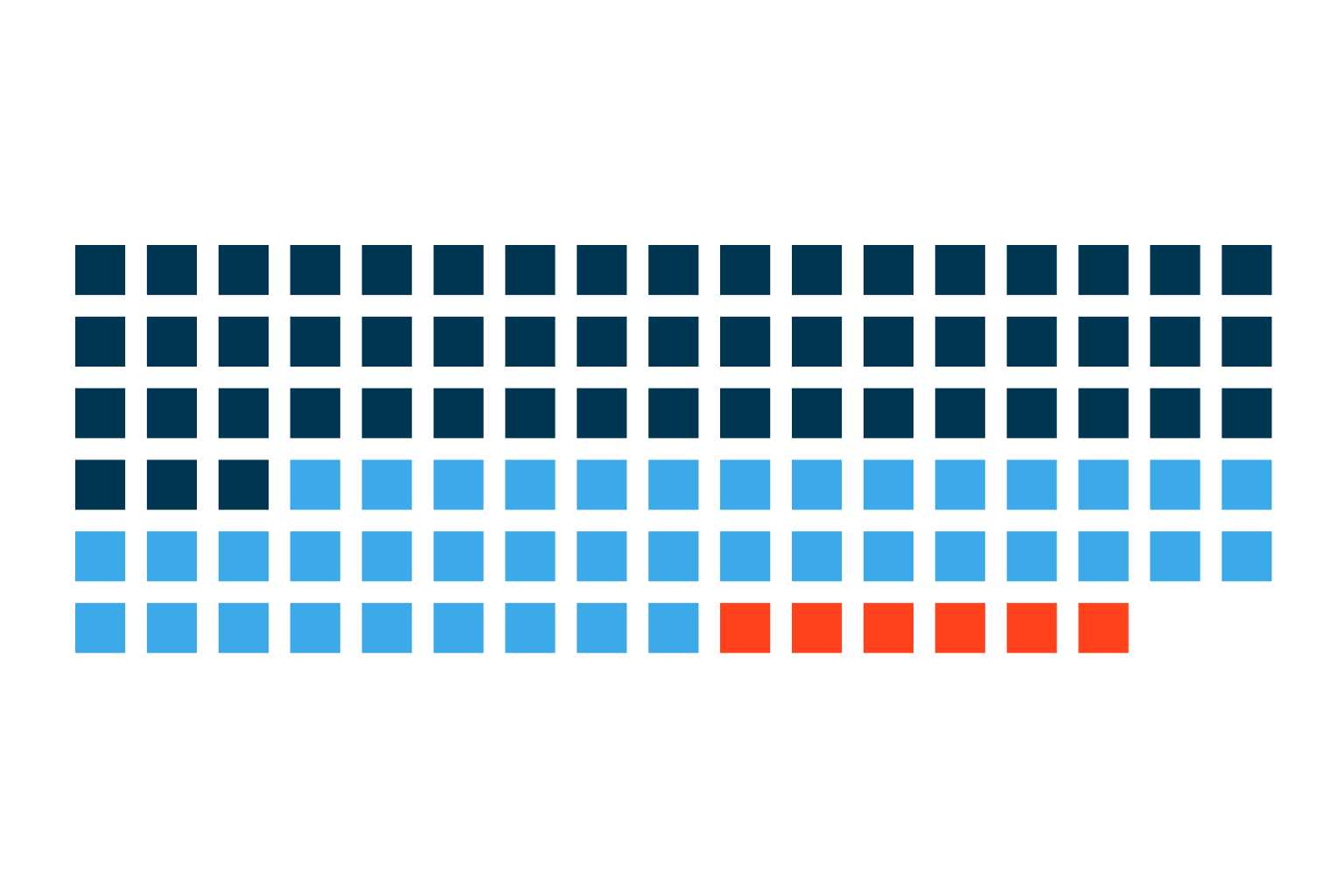
Only 54% of follow-up patients return on schedule. See what late and lost patients are worth per physician and how voice AI brings them back.
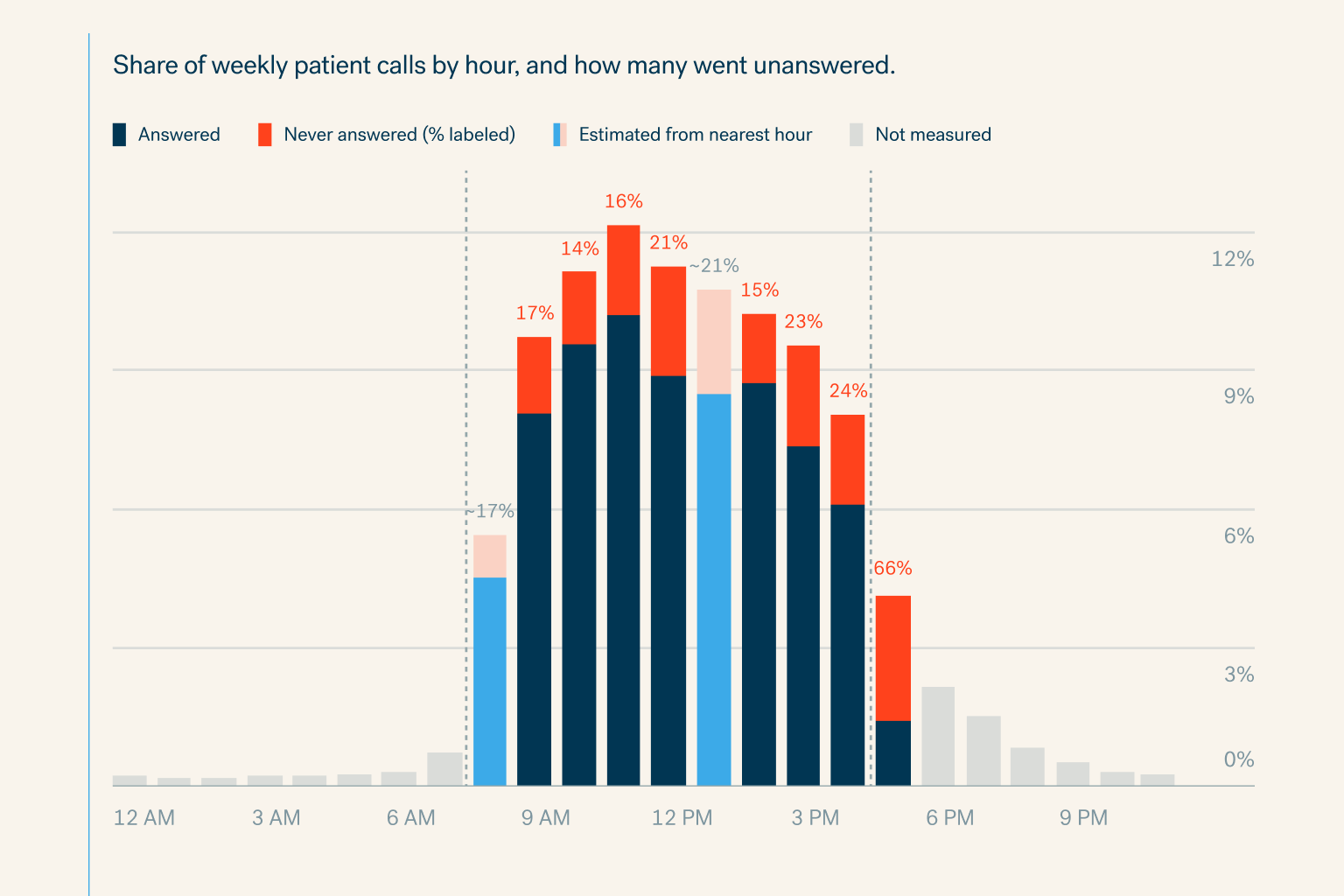
Specialty practices miss 18% of patient calls in office hours and 81% after hours. See the cost per physician and how voice AI books every call.
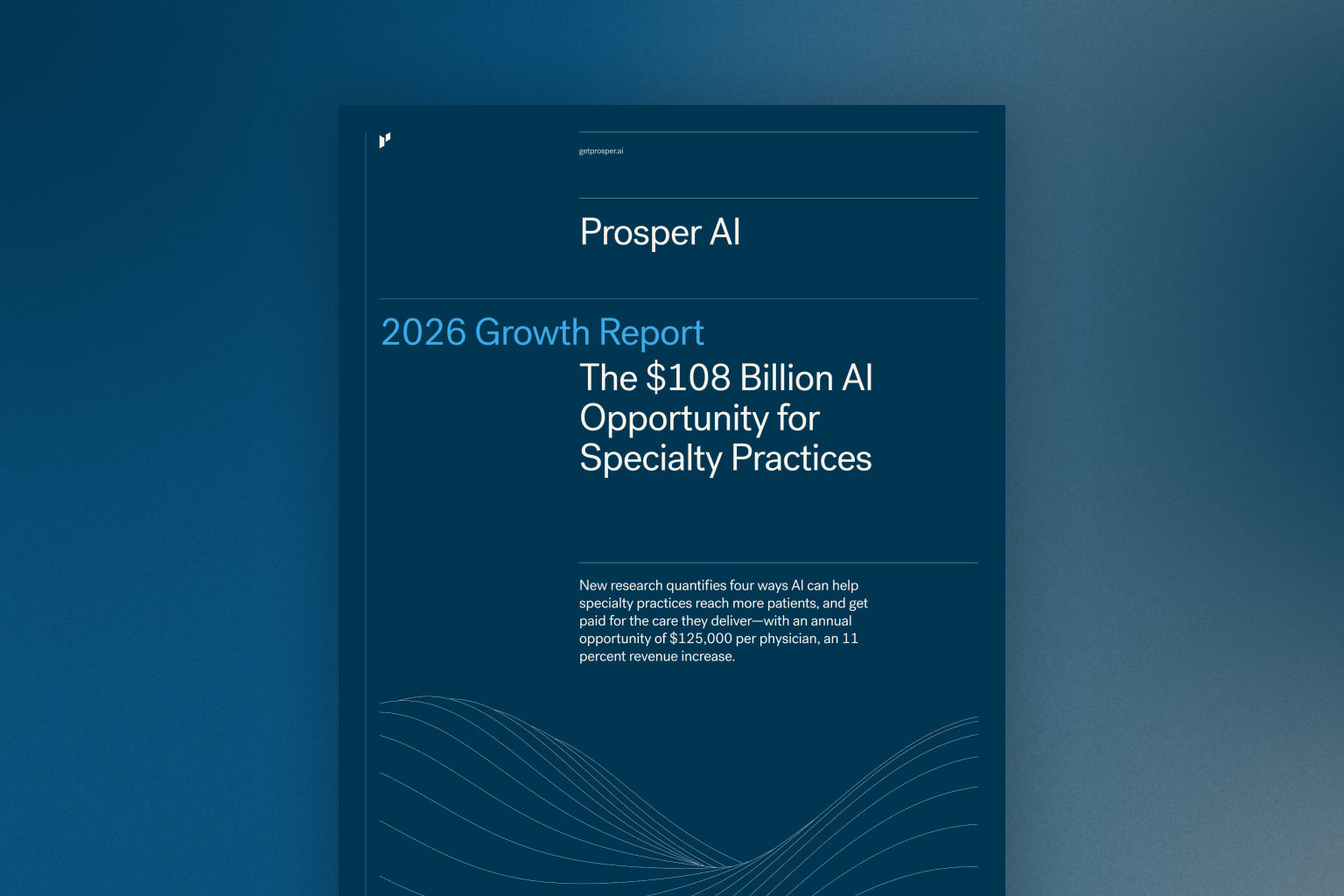
New research quantifies four ways AI can help specialty practices reach more patients, and get paid for the care they deliver—with an annual opportuni


