


Missed Calls Leave $44,800 per Physician on the Table. Here's How Specialty Practices Capture It.
Specialty practices miss 18% of patient calls in office hours and 81% after hours. See the cost per physician and how voice AI books every call.
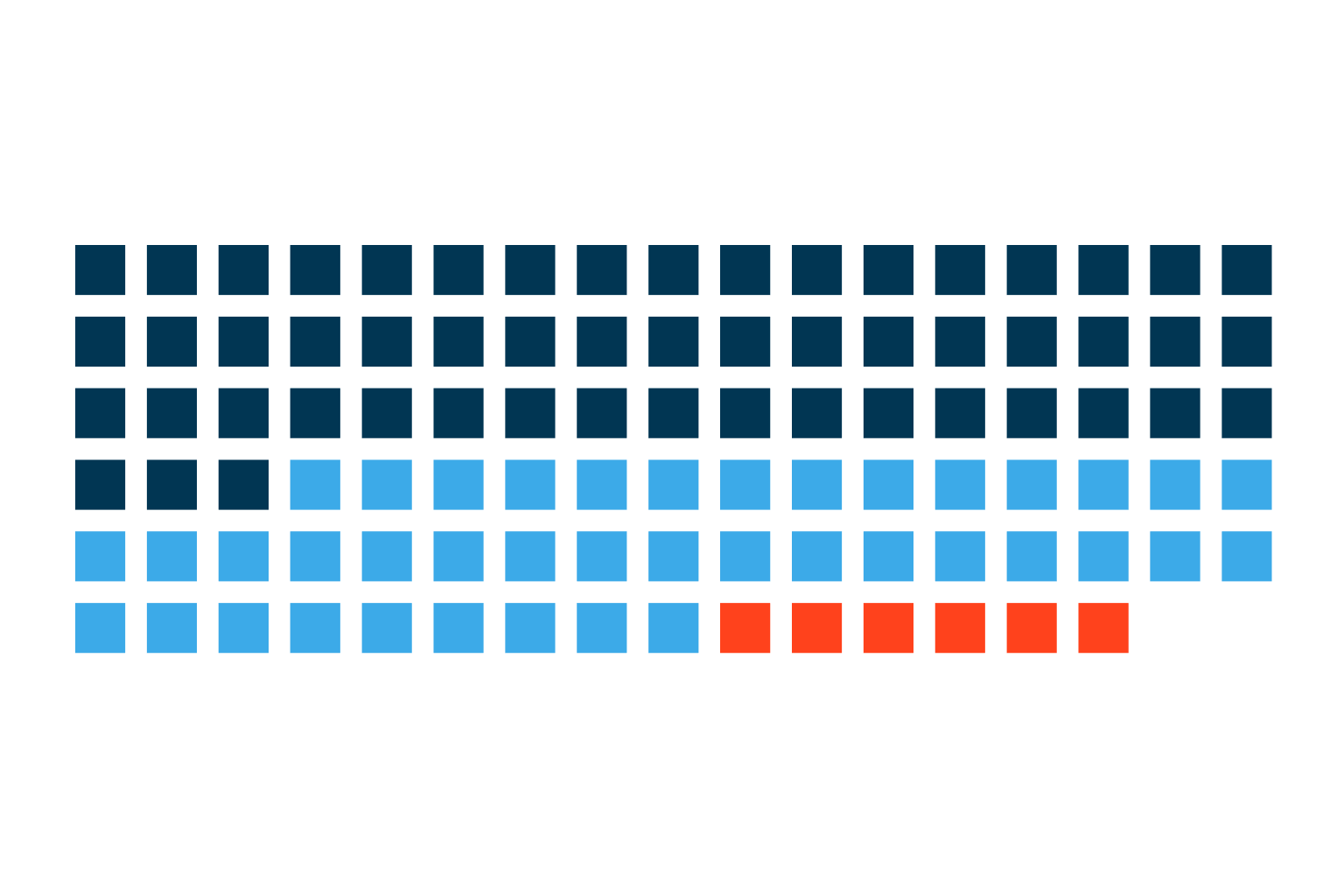
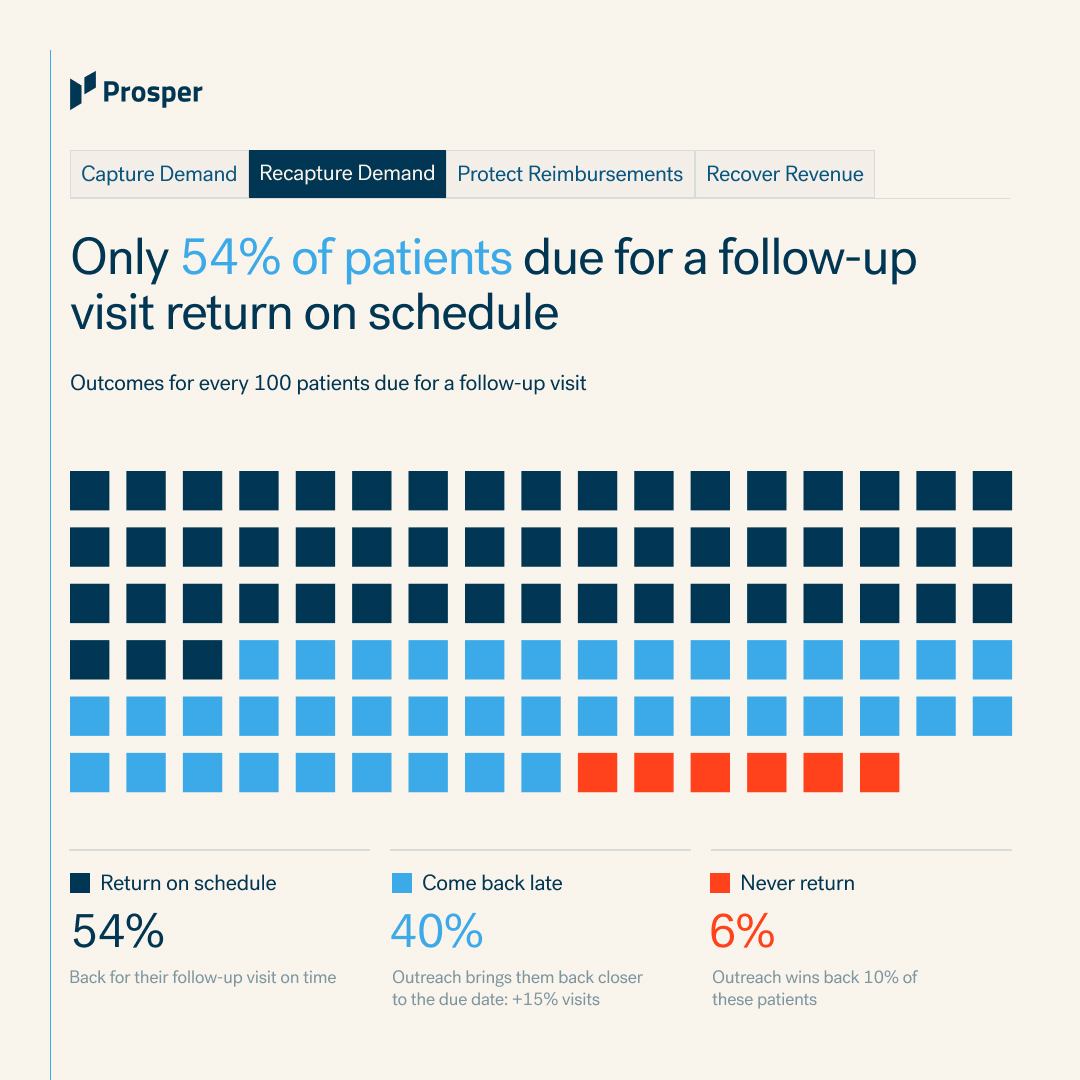
Patient recall (also called patient re-engagement or reactivation) is outreach that brings existing patients back for follow-up care they're due for. Only 54% of follow-up patients return on schedule. Prosper AI's 2026 Growth Report estimates that recalling late and lost patients is worth $37,400 per physician each year.
Every specialty practice has patients who were told to come back in 6 months and didn't. Your team won't notice, because an unbooked follow-up never shows up as a hole in the schedule.
Prosper AI's 2026 Growth Report sizes that drift at an estimated $37,400 per physician per year, the second-biggest of the 4 revenue levers. For a 20-physician practice, that's nearly $750,000 a year in patients who are already in your EHR.
TL;DR
Only 54% of specialty patients due for a follow-up visit come back on schedule. Another 40% return late, and 6% never return at all, according to Prosper AI's 2026 Growth Report.
Here's what that looks like for every 100 patients due for a follow-up:
Most of the opportunity sits with the 40% who come back late. They still return, but every month past the due date is a visit that doesn't happen that year. Think of the annual skin check that slips to month 16, or the 6-month post-op visit that turns into 9.
None of it shows up in a report. A no-show leaves a visible hole in tomorrow's schedule. A patient who never books a follow-up leaves nothing behind, so no one tracks the visit that didn't happen.
No-shows average 18.8% across medical specialties, and gastroenterology runs highest at 25.7%. Dermatology no-show rates range from 12% to 31% depending on clinic type.
Missed visits often stay missed. A Massachusetts General Hospital dermatology study found that nearly 19% of appointments were missed, and only 41% of those patients returned to the practice within the following year.
The trend is getting worse. In an August 2026 MGMA Stat poll, 32% of medical groups reported more no-shows than in 2025, while 10% reported fewer.
For tactics on the day-of side, see our guide to reducing no-shows. The rest of this post covers the bigger gap: patients who never get back on the schedule.
Bringing late and lost patients back is worth an estimated $37,400 a year for the average specialty physician, according to Prosper AI's 2026 Growth Report. That's a 6.6% lift on the $568K in recurring revenue a physician brings in:
If you run patient access, this is the cheapest growth on the table. You already paid to acquire these patients, and they're already in your EHR. The only missing piece is the call that books them.
The number moves a lot by specialty. Here's the estimated re-engagement opportunity per full-time physician, from the same model run against each specialty's MGMA benchmarks:
Now multiply by headcount. A 20-physician dermatology group is looking at about $1.26M a year in re-engagement opportunity alone, before you count missed calls, denials or unpaid balances.
Reminder texts only work on visits that are already booked, and recall lists only get worked when someone has time to dial. Neither one books the patient who drifted off the schedule.
A one-way text can't answer "can I come Thursday instead?" or "what will this cost me?" So the patient has to call the front desk to sort it out, and that's where the follow-up stalls. We compare reminder channels in more depth in AI calls vs. SMS and email reminders.
Manual recall has the opposite problem. A person on the phone can answer every question, but only when they're free to dial out. At the average specialty practice, the front desk already misses 18% of inbound calls during office hours. Outbound recall waits behind all of it.
So the list grows. Every week it sits, more of the 40% drift further past their due date, and a few more join the 6% who never come back.
Of the 4 ways practices usually run recall, only an AI voice agent reaches the patient, answers their questions and books the visit in one conversation. Here's how they compare on what a COO or patient access lead actually measures:
The row that decides it is the fourth one. A patient who's worried about the bill doesn't rebook from a text, and that worry is growing.
The best patient recall software for a multi-location specialty group pulls overdue patients from your EHR, calls them, books the visit and confirms what it will cost. Check these 6 things before you shortlist:
Often, yes. The Growth Report links rising no-shows to cost pressure on patients, and the same MGMA poll that found more no-shows in 2026 tied them to higher patient costs. Patients now pay 36% of the cost of their care on average across specialty practices, and 55% in dermatology.
So the fix starts before the visit. A patient who knows their coverage and what they'll owe has one less reason to skip.
That's why Prosper AI books benefit-verified appointments: coverage confirmed and the patient's cost explained before the visit. The same agent that books the follow-up also checks eligibility and flags visits that need prior authorization. When that takes a payer call, it makes the call.
Getting the front end right pays off twice more after the visit. Front-end errors drive about 45% of first-submission denials, worth an estimated $28,500 per physician a year. And a patient who heard their balance up front is easier to collect from, worth $14,100 per physician.
A recalled patient only counts if they show up and the claim gets paid.
Run recall from your EHR, on the same rules at every location: find patients who are due or overdue, reach them, book the visit and write it back to the chart. Here's how to set it up in 5 steps:
What's a good no-show rate for a specialty practice?
The average no-show rate across medical specialties is 18.8% and gastroenterology runs highest at 25.7%, according to a 2026 study in BMC Health Services Research. Beating your specialty's average is a good start. Also track how many missed visits get rebooked: MGMA found only 27.4% of canceled visits are rescheduled within 30 days.
How do dermatology practices reduce no-shows?
Dermatology no-show rates range from 12% to 31% depending on clinic type, according to a JAAD study, and patients pay 55% of the cost of their dermatology care. The fixes that work target both: confirm coverage and cost before the visit, and call patients due for annual skin checks. Prosper AI's 2026 Growth Report sizes dermatology re-engagement at $63K per physician a year.
How do I get overdue patients back on the schedule?
Pull every patient past their follow-up date from your EHR, then call them with the option to book on the same call. Prosper AI's 2026 Growth Report estimates that outreach brings late patients back closer to their due date, adding 15% more visits, and wins back 10% of patients who would otherwise never return.
Does AI recall work for patients who don't answer texts?
Yes. A voice agent calls the patient directly, so it reaches people who ignore texts or never log in to the portal. When a patient calls back, Prosper AI answers 24/7 and can book the visit on that call.
Can it reschedule a no-show automatically?
Yes. Prosper AI can call a patient after a missed appointment, offer open slots and write the new booking into your EHR, so the visit gets rebooked without staff working a list.
Can it answer "what will this cost me?" on the call?
Yes. The agent can check the patient's eligibility and benefits and explain their expected cost before booking. When the answer needs a payer, Prosper AI calls the payer, so the follow-up arrives benefit-verified.
Is automated patient outreach HIPAA compliant?
It can be, and you should ask every vendor for proof. Prosper AI is HIPAA-compliant, SOC 2 Type II certified, and signs a BAA with every customer.
The research behind this post comes from Prosper AI's 2026 Growth Report, which sizes all 4 revenue levers by specialty. Start with Lever 1: missed calls, or see all 4 levers in the report.
Want the full number for your practice? Estimate your revenue opportunity →
Want to hear the agent on a real call? Book a demo →
Discover how healthcare teams are transforming patient access with Prosper.
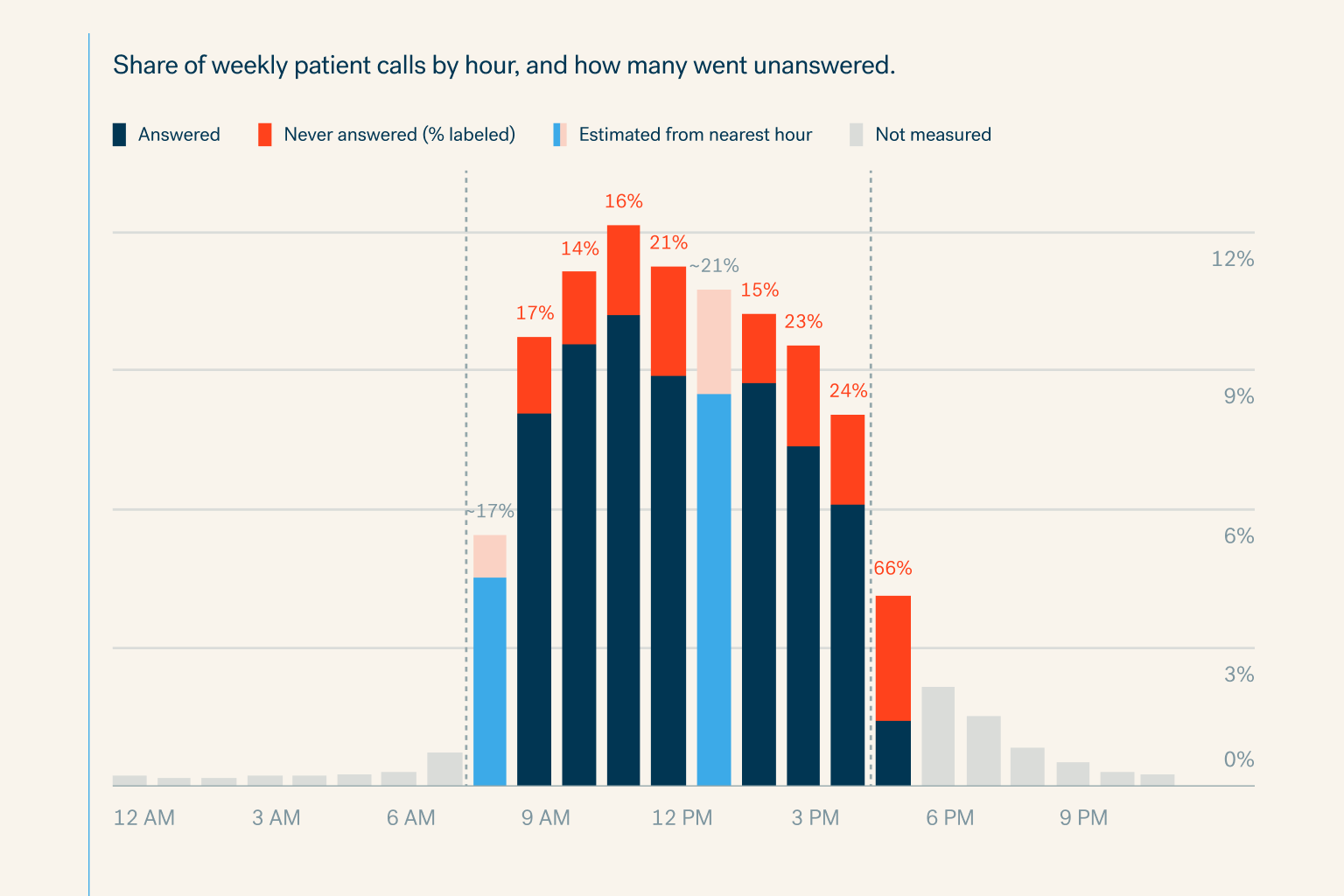
Specialty practices miss 18% of patient calls in office hours and 81% after hours. See the cost per physician and how voice AI books every call.
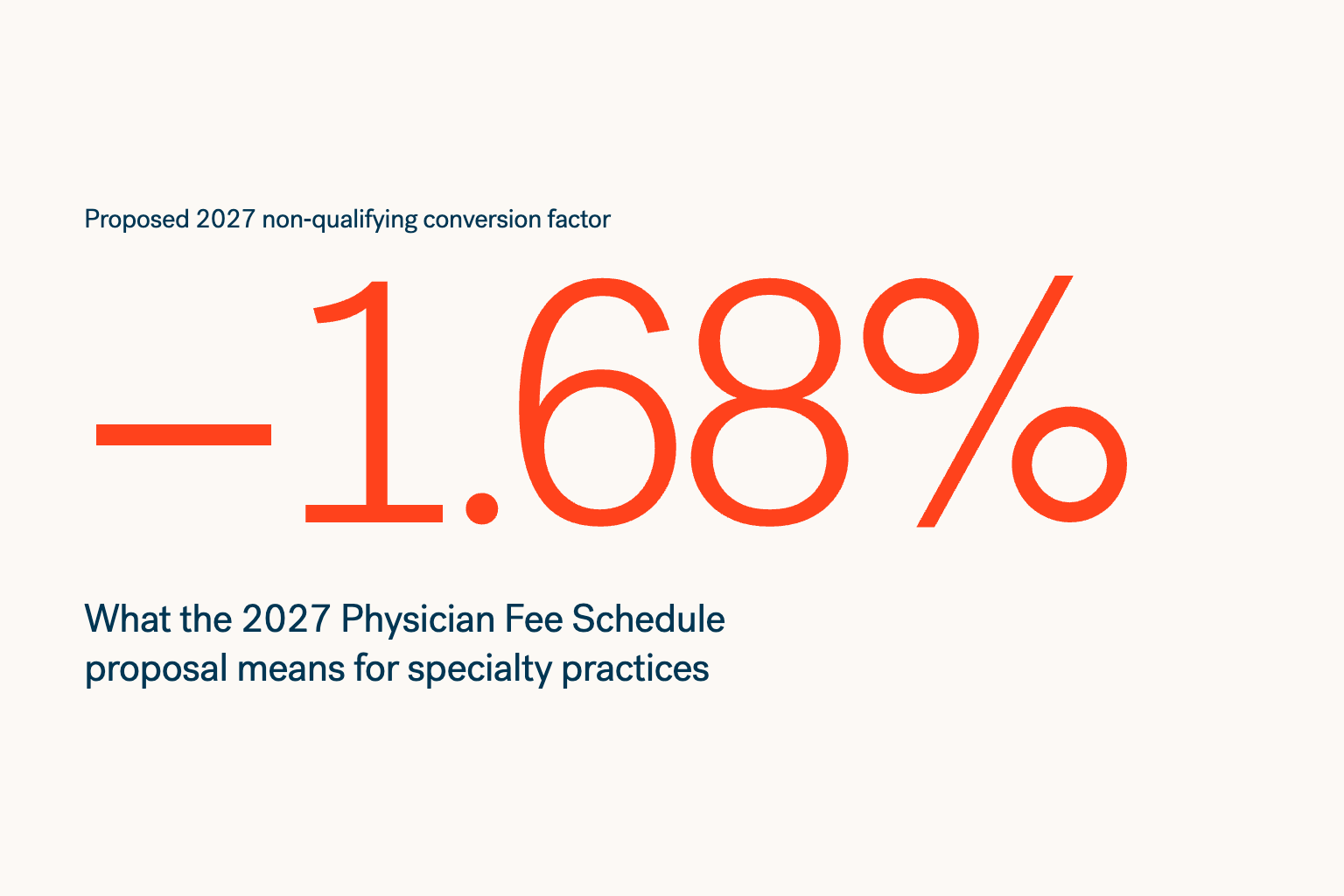
CMS proposes 2027 Medicare conversion factors down 1.19% to 1.68%. See the impact on specialty practices and the revenue levers you still control.
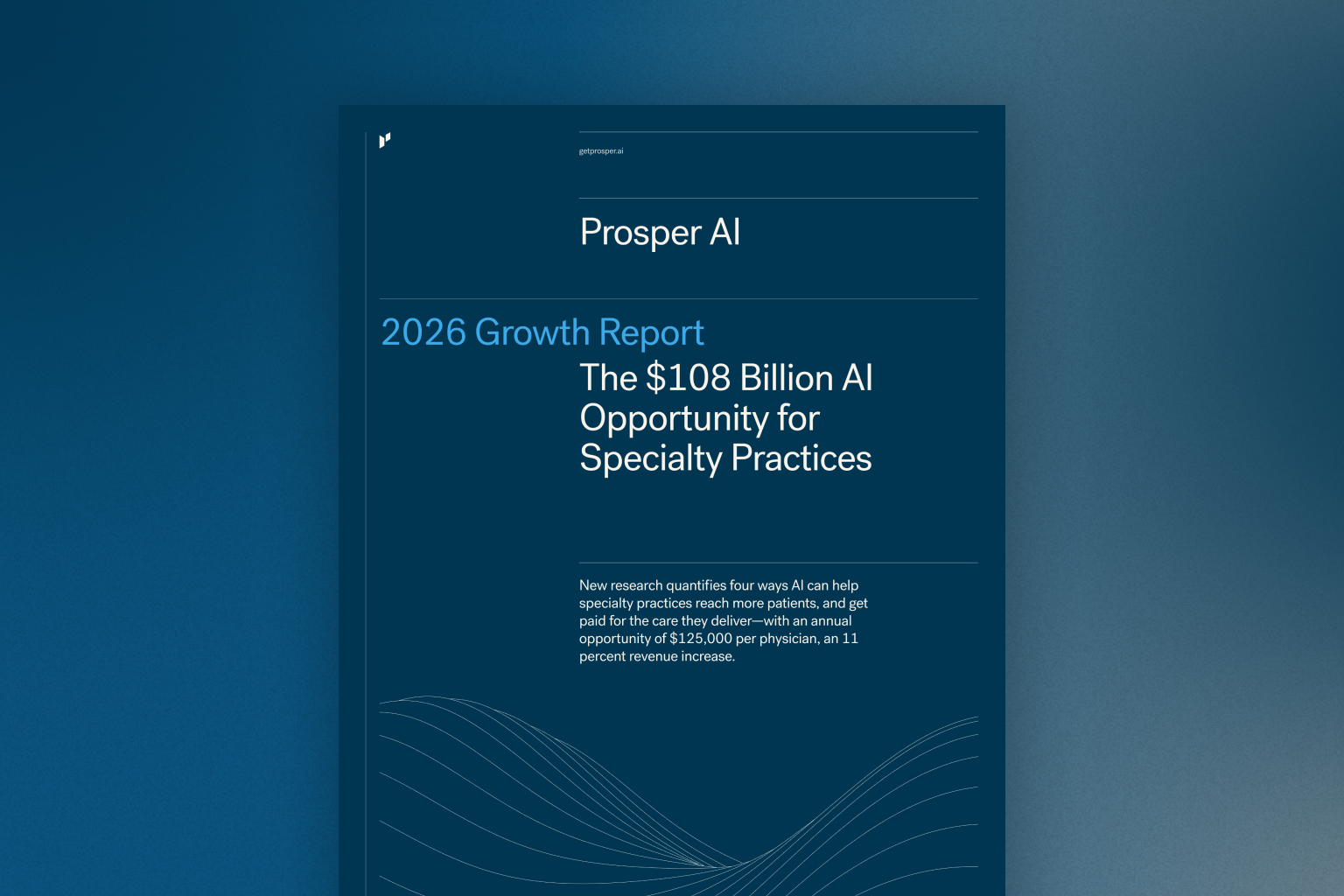
New research quantifies four ways AI can help specialty practices reach more patients, and get paid for the care they deliver—with an annual opportuni


