


Patient Recall for Specialty Practices: How to Bring Back the 46% Who Miss Their Follow-Up
Only 54% of follow-up patients return on schedule. See what late and lost patients are worth per physician and how voice AI brings them back.
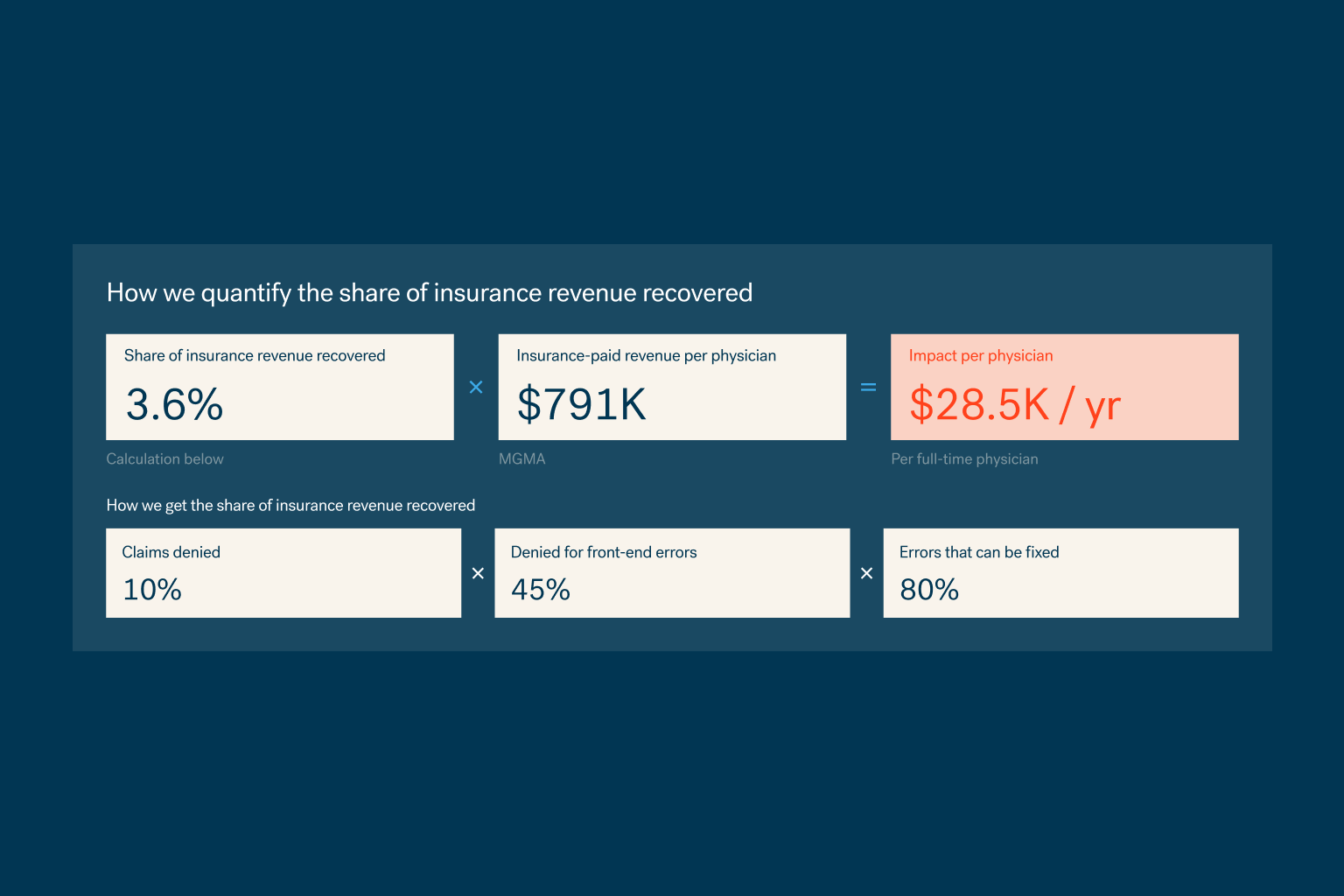
A preventable claim denial (also called an avoidable or front-end denial) is a denial caused by an error a practice could catch before the visit, like an inactive plan. These errors drive 45% of denials, and Prosper AI's 2026 Growth Report values preventing them at $28,500 per physician a year.
Every denied claim sends a biller back into the account, puts a payer call on someone's list and leaves a payment that arrives late, smaller or not at all. Specialty practices see about 10% of first-submission claims denied.
Nearly half of those denials start at the front desk. The Growth Report puts front-end errors at 45% of denials and sizes preventing them at $28,500 per physician per year. For a 20-physician practice, that's $570K a year in revenue the practice already earned.
Specialty practices see an average of 10% of first-submission claims denied, according to Prosper AI's 2026 Growth Report. Payer-reported data can run higher: KFF found that ACA Marketplace insurers denied 19% of in-network claims in 2024.
The work behind those numbers is heavy. 84% of healthcare finance professionals call managing denials and appeals a significant challenge, and 35% call it their biggest one, according to the Growth Report. For a short-staffed practice it compounds: fewer people to check claims before they go out, and fewer to chase them after they come back denied.
Most preventable denials start before the visit, with errors the front desk can catch: billing a plan that's no longer active, skipping a required prior authorization, or entering a patient's name or member ID wrong. Front-end errors like these drive 45% of claim denials, according to Prosper AI's 2026 Growth Report.
Payer data points the same way. In KFF's analysis of ACA Marketplace plans, insurers cited administrative reasons for 25% of in-network denials in 2024, lack of prior authorization or referral for 9%, and the member not being covered for 7%. KFF's administrative category also includes duplicate and late claims, so not every one is a front-desk miss.
Here are the 4 front-end errors behind most preventable denials, and what catches each one before the visit:
Each one is a quick fix before the visit and a rework job after it.
Preventing front-end denials is worth an estimated $28,500 a year for the average specialty physician, according to Prosper AI's 2026 Growth Report. That's 3.6% of the $791K in insurance-paid revenue a physician brings in:
The model uses the 10% average denial rate. If your first-submission denial rate runs higher, so does your number.
Prevention also beats appeals on cost. A claim that's clean on first submission never needs a biller to rework it, a payer call or a resubmission, so the savings show up in staff time as well as collections.
Here's the estimated opportunity per full-time physician by specialty, from the same model run against each specialty's MGMA benchmarks:
Now multiply by headcount. A 20-physician dermatology group is looking at about $960K a year from preventable denials alone, before you count missed calls, overdue follow-ups or unpaid patient balances.
▶ Use our calculator to estimate your own revenue opportunity by incorporating AI
Because every denial that reaches the back office has already cost you something. Appeals and resubmissions can recover part of the money, but each denial delays payment, reduces it or loses it for good, and every one takes staff time to work.
Denial management still matters for the denials you can't prevent, such as medical necessity disputes or payer errors. But for the 45% that start with a front-end error, the back office is fixing a problem the front desk could have stopped.
The front desk is also where the capacity is thinnest. The same team verifying insurance is answering the phones, and at the average specialty practice it already misses 18% of inbound calls during office hours. When the phones get busy, verification gets squeezed into a quick active-or-inactive check, or skipped.
Coverage also changes between booking and the visit. A patient verified when they scheduled 6 weeks out can switch plans or hit a benefit limit before they arrive, so a single check at booking isn't enough on its own.
The approach that prevents the most denials checks full benefits and authorization requirements before every visit, calls the payer when the portal falls short and writes results back to the EHR. Here's how the 4 common approaches compare:
The row that matters most is the second one. An active-or-inactive answer catches lapsed plans but misses the benefit limits, exclusions and referral rules behind many specialty denials.
The best insurance verification software for a multi-location specialty group verifies full benefits and authorization requirements before every visit, calls the payer when it has to and writes results back to the EHR. Check these 6 things before you shortlist:
Verify every visit twice, check authorization when you book, fix registration data at intake and track the results by location. Here's how to set it up in 5 steps:
Start with the service line or payer behind the most front-end denials, prove the drop there, then roll the same rules out to every location.
A clean claim gets the payer's share paid. The patient's share is a separate problem, and it's growing. Patients now pay 36% of the cost of their care on average across specialty practices, and 55% in dermatology, according to Prosper AI's 2026 Growth Report.
The same benefits check that prevents a denial also tells you the patient's deductible, coinsurance and copay. Use it twice. Telling patients their cost before the visit helps them show up for it, and the Growth Report finds that patients who know their costs upfront are more likely to pay for care after the visit.
Collecting that balance is the last of the 4 levers: Recover the Patient Responsibility, worth an estimated $14,100 per physician a year. We break that math down in Lever 4.
What's a normal claim denial rate for a specialty practice?
Specialty practices see an average of 10% of first-submission claims denied, according to Prosper AI's 2026 Growth Report. Rates vary by payer and service, so track yours by both.
What percentage of claim denials are preventable?
About 45% of claim denials come from front-end errors such as an inactive plan, a missing prior authorization or a registration mistake, according to Prosper AI's 2026 Growth Report. The report estimates 80% of those errors can be fixed before the visit.
Which specialty has the most to gain from preventing denials?
Dermatology, at an estimated $48,000 per physician a year, according to Prosper AI's 2026 Growth Report. Ophthalmology follows at $30,000, then primary care at $28,000, OB/GYN at $27,000, orthopedics at $26,000 and gastroenterology at $24,000.
How does eligibility verification reduce claim denials?
Verifying eligibility and benefits before the visit catches inactive coverage, benefit limits, exclusions and missing authorizations while there's still time to fix them. Re-checking close to the date of service catches plan changes since booking.
What's the difference between eligibility verification and benefits verification?
Eligibility verification confirms a patient's plan is active on the date of service. Benefits verification goes further: deductibles, coinsurance, visit limits, exclusions, and referral or authorization rules for the specific service. Many specialty denials come from those benefit details, so an active-or-inactive check alone misses them.
Can AI verify insurance and prior authorization before the visit?
Yes. Prosper AI checks eligibility and benefits through payer portals, calls the payer when the portal is incomplete, flags visits that need prior authorization and writes the results back to your EHR before the patient arrives.
Is AI insurance verification HIPAA compliant?
It can be, and you should ask every vendor for proof. Prosper AI is HIPAA-compliant, SOC 2 Type II certified, and signs a BAA with every customer.
Prosper AI verifies eligibility, benefits and authorization before every visit, calls the payer when the portal falls short and writes the results back to your EHR. Estimate your revenue opportunity →
The research behind this post comes from Prosper AI's 2026 Growth Report, which sizes all 4 revenue levers by specialty. Read Lever 1: missed calls and Lever 2: patient recall.
Want to see verification on a real call? Book a demo →
Discover how healthcare teams are transforming patient access with Prosper.
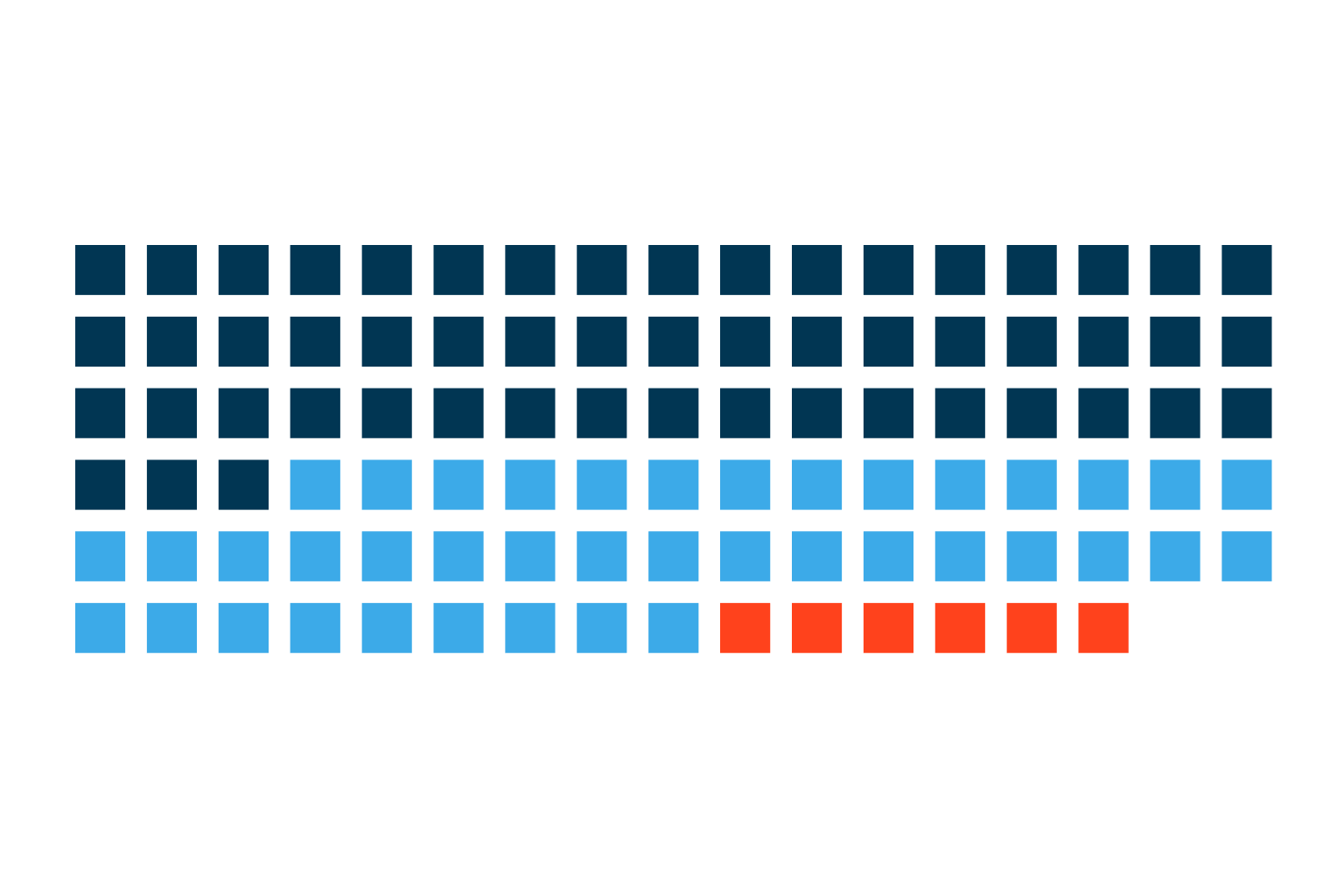
Only 54% of follow-up patients return on schedule. See what late and lost patients are worth per physician and how voice AI brings them back.
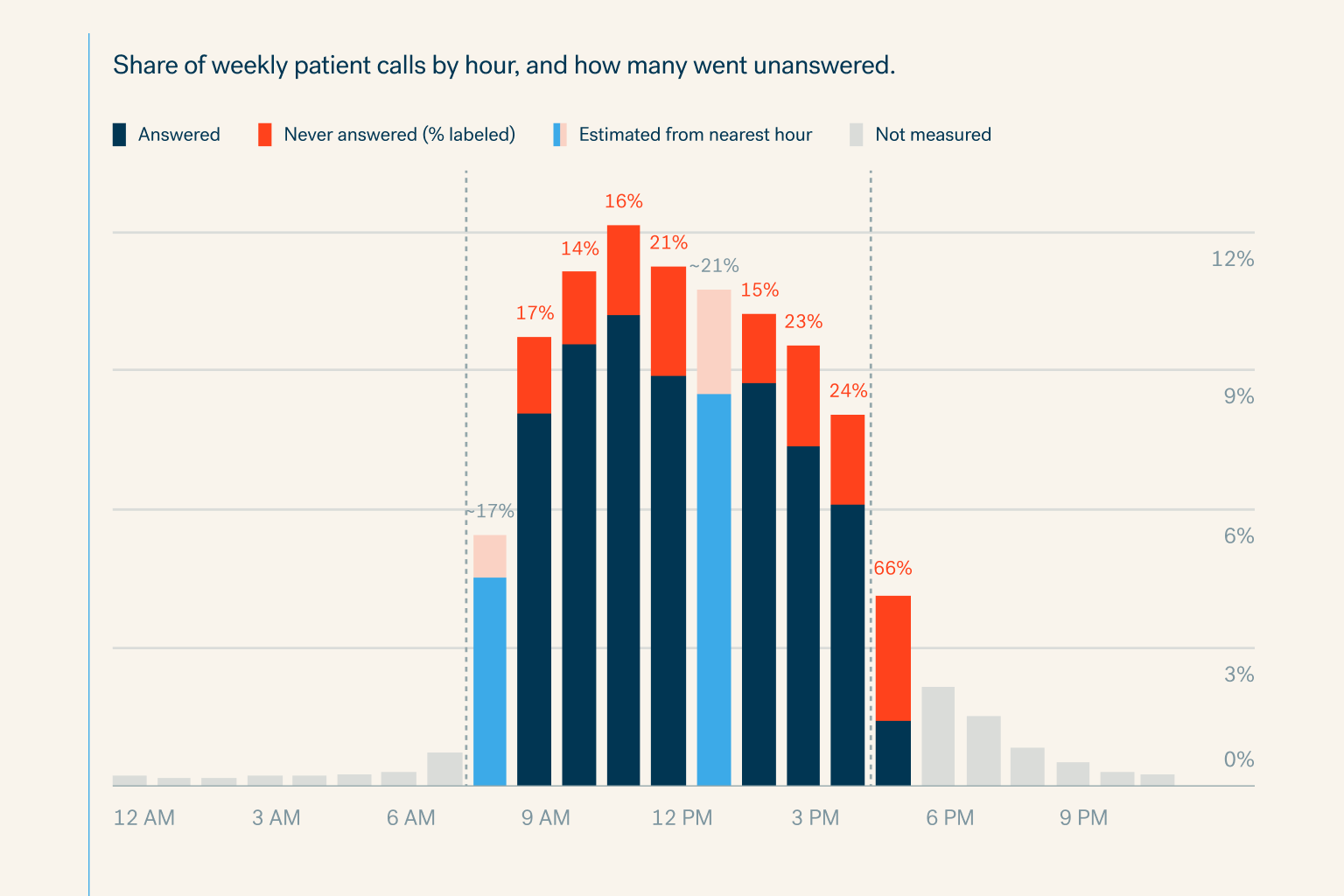
Specialty practices miss 18% of patient calls in office hours and 81% after hours. See the cost per physician and how voice AI books every call.
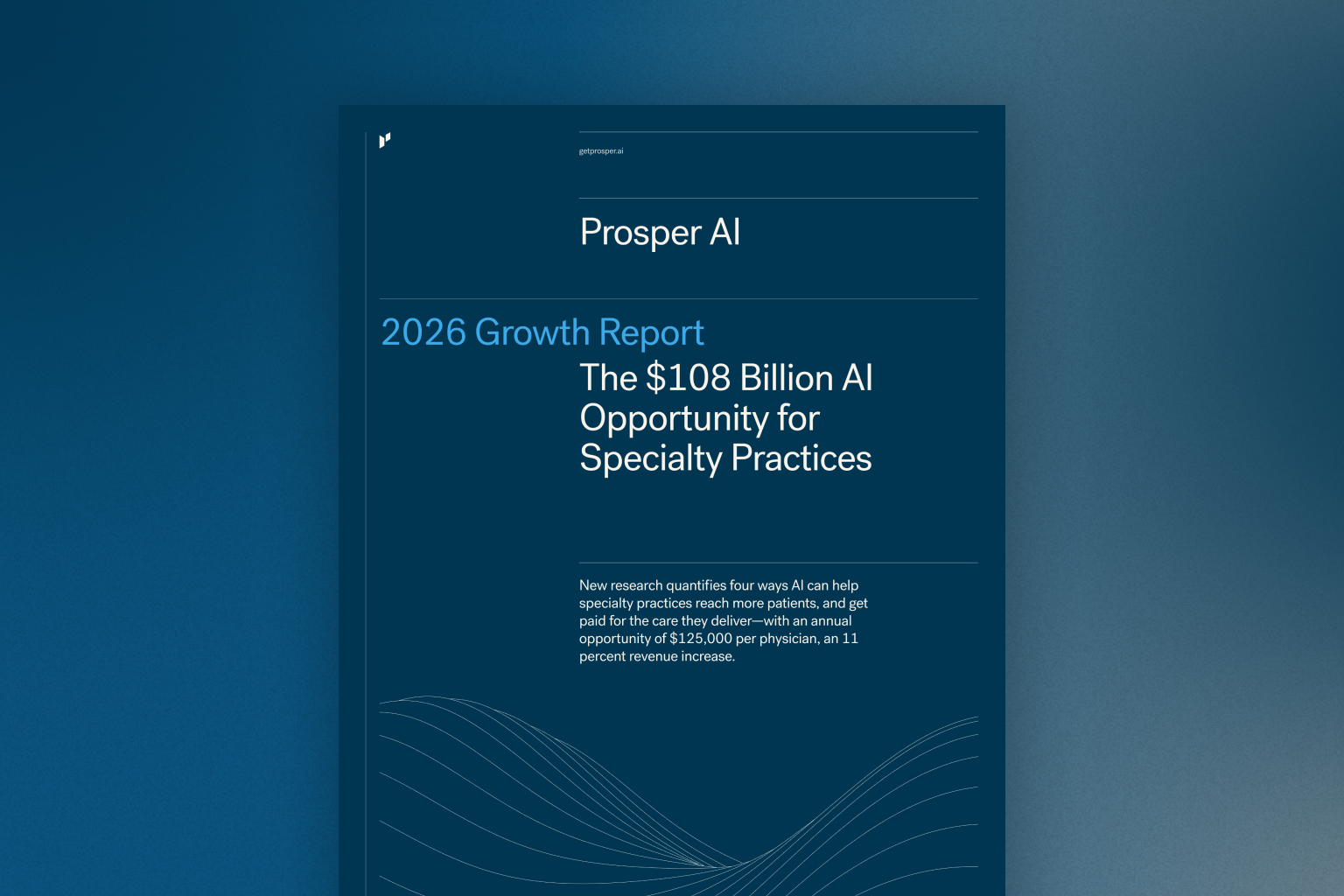
New research quantifies four ways AI can help specialty practices reach more patients, and get paid for the care they deliver—with an annual opportuni


