




Patient Recall for Specialty Practices: How to Bring Back the 46% Who Miss Their Follow-Up
Only 54% of follow-up patients return on schedule. See what late and lost patients are worth per physician and how voice AI brings them back.
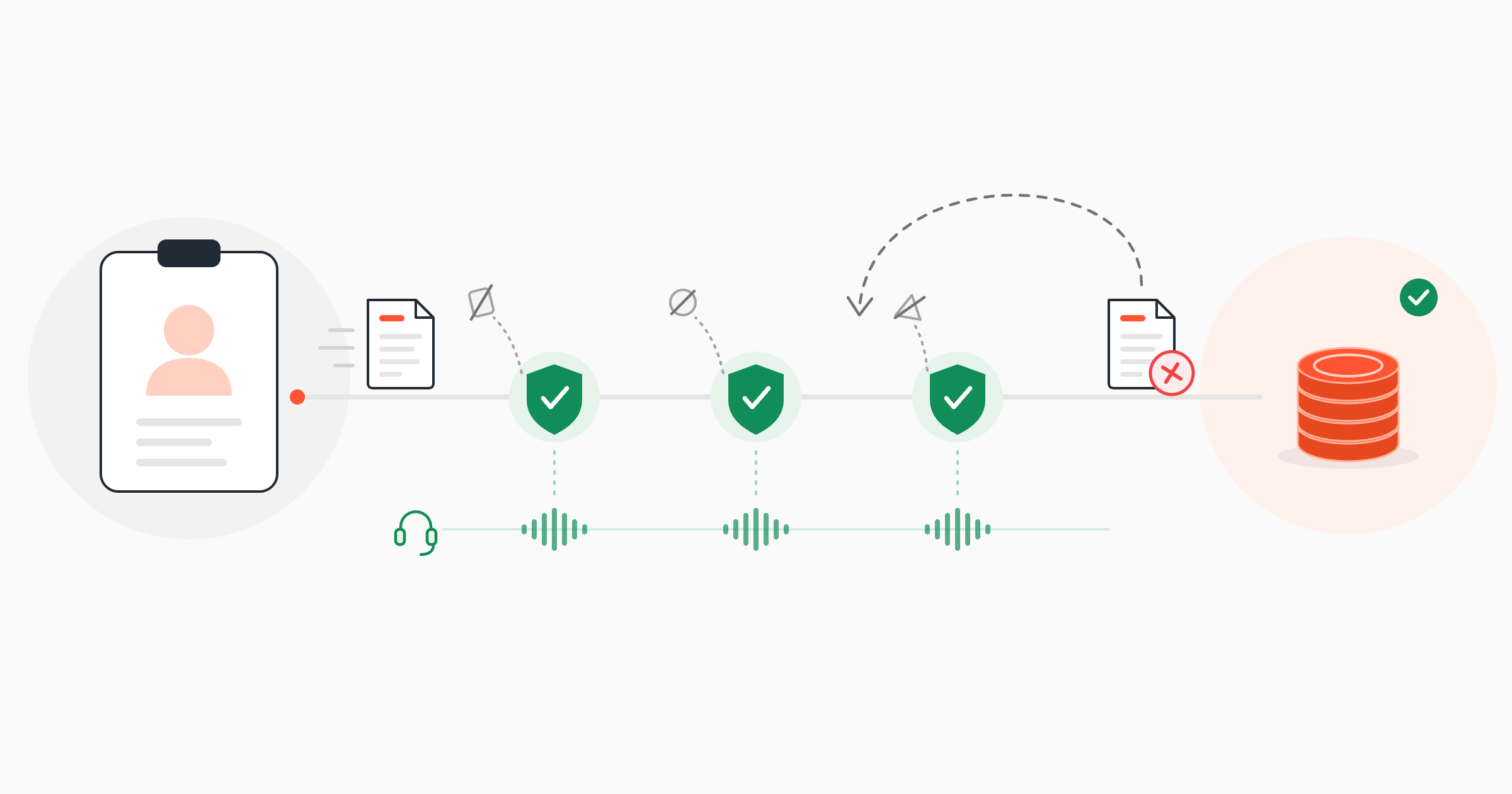
Most claim denials start long before a claim is ever filed. They begin at patient access, when a registration error, an unverified eligibility check, or a missing prior authorization slips through before the visit even happens. By the time the claim reaches the payer, the outcome is often already decided.
Denial management in healthcare is the systematic process of investigating why a claim was denied, appealing the decision, and fixing the patient-access and billing gaps that caused it in the first place. The problem is growing: 41% of providers now say at least 1 in 10 claims gets denied, and 54% say claim errors are getting worse, not better. Each denial delays payment, adds rework for staff, and can leave patients stuck with confusing bills.
This guide covers 10 strategies for preventing, managing, and recovering denied claims, starting at the front end where most denials originate.
Denial management catches the revenue that would otherwise leak out of your revenue cycle. It covers two jobs: recovering payment on claims that were denied, and using what those denials tell you to stop the next ones.
That second job is denial prevention. It covers everything you do before a claim goes out, like verifying eligibility and securing prior auth. Denial management is the work after a payer says no. You need both.
The stakes are big, and growing. U.S. hospitals and health systems spent an estimated $25.7 billion fighting denied claims in 2023, and every reworked claim costs staff time. According to MGMA, the average cost to rework a claim is cited at $25 and takes about 71 minutes of staff time.
There are hundreds of denial codes, but most denials land in 5 buckets. Track your own mix so you know which strategies below to start with.
Confirm the patient's coverage is active and includes the planned service before the appointment. Coverage can change overnight, so last month's check doesn't count.
And doing it by hand is slow: manual eligibility checks take more than 10 minutes for over half of the providers still running them manually. Run the check before every visit, including returning patients. If your team can't keep up with the payer calls, this is the first workflow worth handing to an AI workforce.
Find out which services need payer approval and submit the request before the visit. A missing prior auth is a guaranteed denial.
The work is slow and manual: identifying which services need auth, sending clinical details, then tracking status until the payer answers. Give it a dedicated workflow and an owner, so a pending auth never quietly turns into a cancelled procedure.
▶ Read More: Prior Authorization Automation in 2026 (The Ultimate Guide)
Check name, date of birth and insurance ID at check-in, before a typo turns into a denial. A single transposed digit in a member ID is enough to get a claim kicked back.
Train your patient access team on the fields payers reject most, and add validation checks in your PMS where you can.
Make sure the medical record supports the service you're billing. If it isn't documented, payers can deny it for lack of medical necessity.
A Clinical Documentation Improvement (CDI) program helps providers write notes that justify the care they gave.
Scrub every claim for wrong procedure codes, diagnosis codes and missing modifiers before it goes out. In Experian's survey, 24% of providers name code inaccuracy a top denial reason.
Claim scrubbing software catches most of these automatically. Regular coding audits catch the patterns it misses.
Track each payer's filing deadline and submit early enough to leave room for corrections. Medicare gives you 1 calendar year from the date of service. Many commercial plans give you as little as 90 days.
Miss the window and the claim is denied, and that kind of denial is almost impossible to appeal.
Handle every denial the same way: identify it, log it, categorize it. Consistency is what turns individual denials into data you can act on.
Start with the remittance. Your EOB or ERA carries Claim Adjustment Reason Codes (CARCs) that say why the claim wasn't paid. Log each denial with the patient, payer, dollar amount and reason code, then group it into a category like eligibility or coding.
If 40% of last month's denials were coding errors, you know where to train. Use checklists and templates so nobody skips a step.
Route the highest-value and most time-sensitive denials to staff first. A $50 denial shouldn't get the same attention as a $50,000 one with an appeal deadline next week.
Sort your queue by dollar value, days left to appeal and how easy the fix is. Then work it:
Most denials can be won back. In Kodiak Solutions' 2026 revenue cycle benchmarks, hospitals' average initial denial rate was 11.6% in 2025, but the median final denial rate was just 2.7%. That gap is the revenue teams recover by working their queue.
Bring patient access, coding, clinical and billing leads together to fix root causes. Denials start in every department, so one team can't fix them alone.
Meet monthly. Review the trend data from Strategy 7, pick the biggest category and assign an owner to fix it.
Check claim status before a denial is issued, so you can answer a payer's request for information while there's still time. Most practices only find out a claim stalled when the denial arrives.
That monitoring means hours on hold with payers. An AI workforce can make those calls for your team to:
Your experienced staff then spend their time on the complex appeals that need a human. [HUMAN TO ADD: Prosper-specific before-and-after for claim status or denial processing time.]
Denials will always be part of billing. The cheapest denial is the one your front desk stops before the patient walks in. That's the work Prosper's AI workforce takes on. It verifies eligibility, handles prior auths, and calls payers on claim status, so more visits reach billing already financially cleared.
In a six-vendor RFP, Prosper AI hit 60%+ end-to-end call resolution in production, compared to roughly 30% for other vendors. Most practices are live in 3 weeks, with no custom coding and no disruption to staff, and integrate with 80+ EHR and practice management systems.
Book a demo with Prosper AI to see what full-coverage resolution looks at your practice.
The main goal is to recover revenue payers have denied. The second goal is to use denial data to find and fix root causes, so the same denials stop coming back.
Denial prevention is everything you do before a claim goes out, like verifying eligibility and securing prior auth. Denial management is the work after a claim is denied: investigating, appealing and resolving it. A complete strategy needs both.
The cost depends on the claim's complexity and type. According to MGMA, the average cost to rework a claim is cited at $25 and takes about 71 minutes of staff time.
The most common reasons are registration and eligibility errors, missing or inaccurate claim information, missing prior authorizations, coding errors and weak documentation of medical necessity.
An AI workforce handles the high-volume payer calls behind most denials: verifying eligibility, securing prior authorizations and checking claim status. Doing that work at the front end means more visits reach billing already financially cleared, and your staff appeal fewer denials later.
It varies by specialty and payer mix. 41% of providers now say at least 1 in 10 claims gets denied. If your rate stays higher than that, look first at patient access, especially eligibility and prior auth.
Discover how healthcare teams are transforming patient access with Prosper.
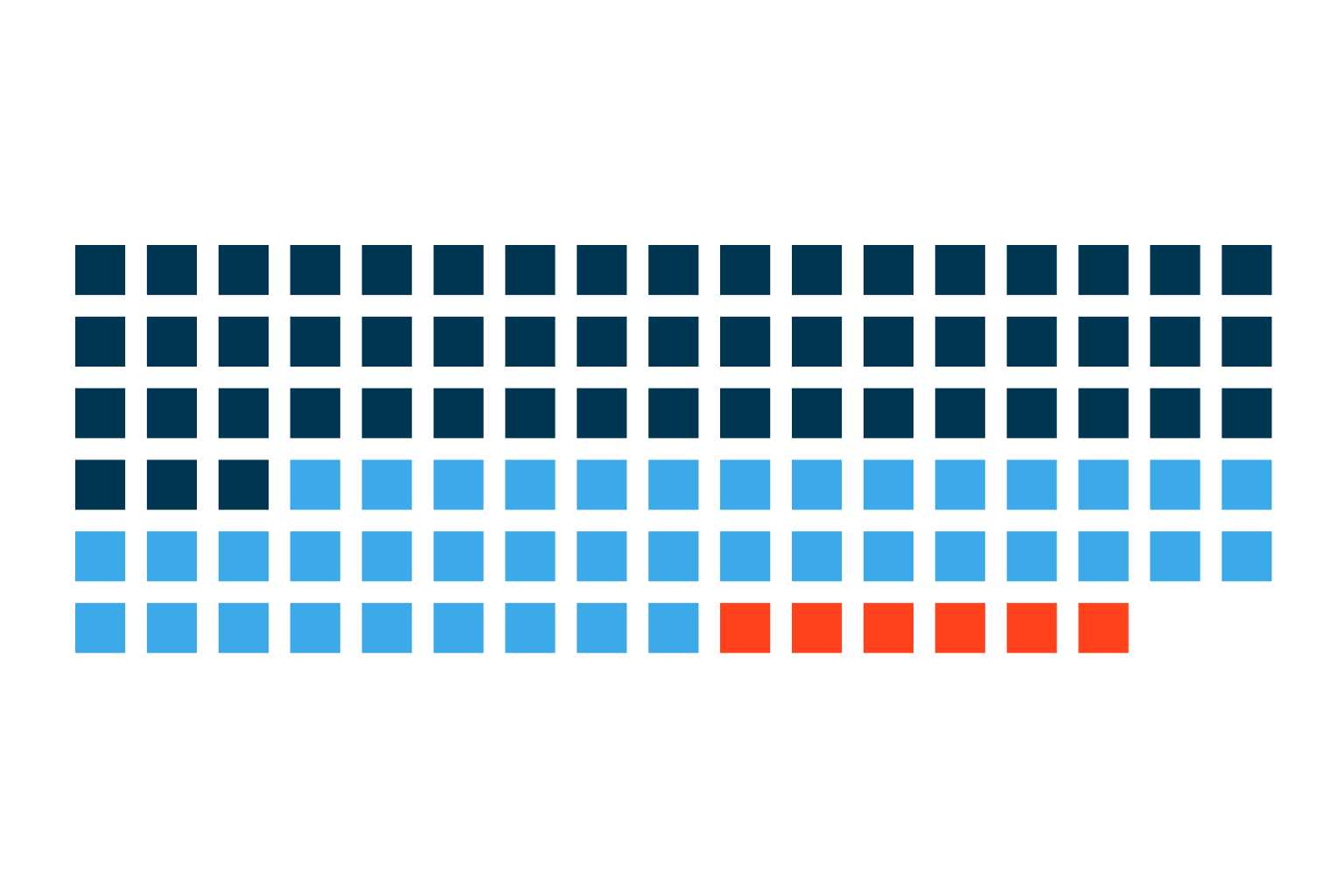
Only 54% of follow-up patients return on schedule. See what late and lost patients are worth per physician and how voice AI brings them back.
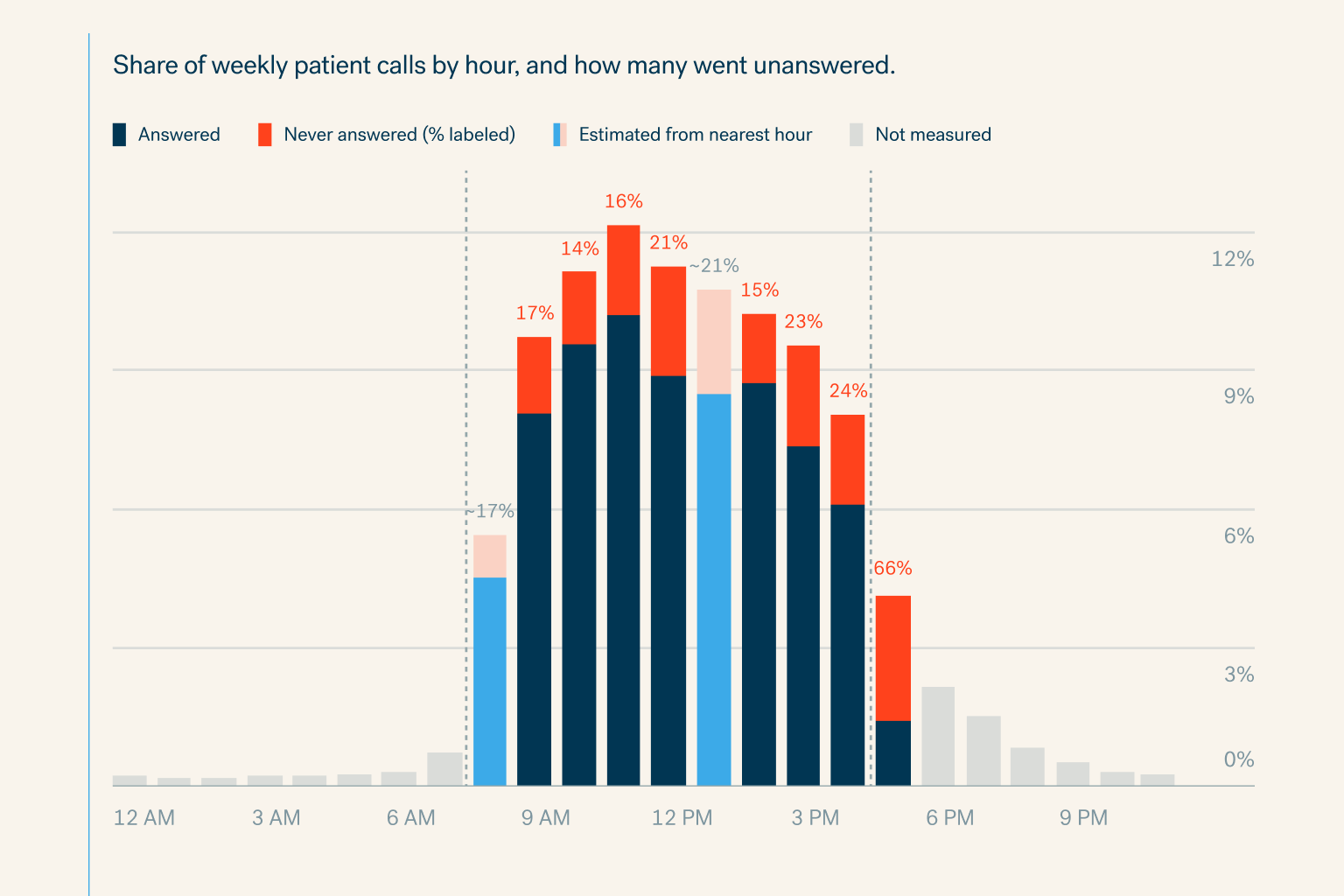
Specialty practices miss 18% of patient calls in office hours and 81% after hours. See the cost per physician and how voice AI books every call.
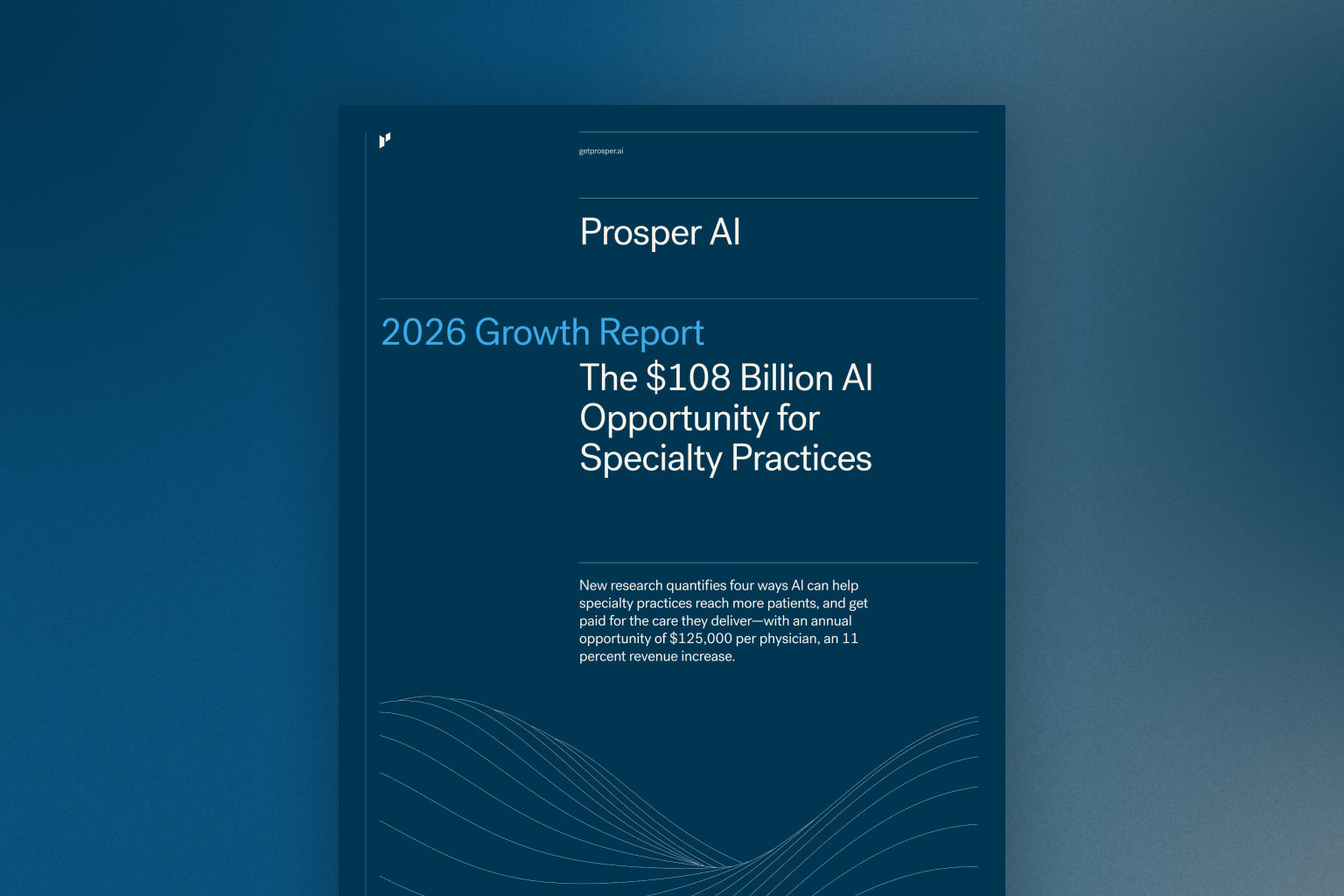
New research quantifies four ways AI can help specialty practices reach more patients, and get paid for the care they deliver—with an annual opportuni


