




Patient Recall for Specialty Practices: How to Bring Back the 46% Who Miss Their Follow-Up
Only 54% of follow-up patients return on schedule. See what late and lost patients are worth per physician and how voice AI brings them back.

Prior authorization automation increasingly runs on AI that calls payers: voice AI built to place outbound calls to insurance companies, not patients. It works through payer IVRs, holds, and talks to reps to get authorizations, check claim status, or follow up on denials. Prior authorization is usually the starting point, since it's the highest-volume, highest-friction call type providers make.
Prior authorization is one of the most frustrating processes in healthcare. For providers, it's a time-consuming maze of paperwork, phone calls, and faxes. For patients, it's a delay that can push back care by days or weeks. The burden isn't just administrative friction. It's structurally asymmetric. Providers absorb almost all the cost and labor of prior auth. Payers face almost none of the cost of denying a request. Insurers denied 10%–18% of standard prior auth requests in 2025.
The numbers back this up. Physicians complete an average of 40 prior authorizations a week, which eats up about 13 hours of physician and staff time. 32% say requests are often or always denied. 94% say prior auth contributes to burnout.
Prior authorization automation turns this manual process into a digital workflow. It speeds up approvals, cuts denials, and frees staff from the phone-tag cycle. This guide covers how it works, what it costs, and how to evaluate a vendor.
Manual prior authorization is the traditional method where staff must call insurance companies, fax forms, or navigate dozens of unique payer portals to get approvals. According to the 2025 AMA Prior Authorization Physician Survey, physicians complete an average of 40 prior authorizations per week, consuming about 13 hours of physician and staff time — and 32% say requests are often or always denied. Ninety-four percent of physicians say prior auth contributes to burnout.
This isn't just administrative friction. It's structurally asymmetric: providers absorb nearly all the cost and labor of prior auth, while payers bear almost none of the cost of denying a request. Insurers denied 10%–18% of standard prior auth requests in 2025.
Source: CAQH 2023 Index, Provider Specialty Issue Brief
Staff spend hours on hold, re enter the same patient data into multiple systems, and chase down missing information, all while patient care hangs in the balance. This is the core challenge that prior authorization automation is designed to solve.
Prior authorization automation uses software and technology to handle the PA process with minimal human intervention. This often starts with electronic prior authorization (ePA), which simply means the request and the payer’s response both happen digitally. No more faxes or phone calls.
Prior authorization automation reduces four metrics RCM leaders track directly: denial rate, days-in-A/R, auth turnaround time, and cost-to-collect. It doesn't just speed up individual requests — it shifts the underlying numbers a CRCO reports on.
Prior authorization automation gets patients the care they need faster, and gives RCM leaders a cleaner set of numbers to report on.
▶ Case Study: How Eastside Eye Physicians used Prosper AI to stop losing front desk staff
Modern prior authorization automation isn’t just about sending an electronic form. It involves a sophisticated ecosystem of features working together to create a seamless experience.
A robust solution typically includes several key components:
Together, these features create a centralized prior authorization management system that turns chaos into a predictable, manageable workflow.
One of the most powerful aspects of a digital system is the data it generates. With real time tracking dashboards, you can move from feeling like PAs are slow to knowing exactly where the hold ups are. Analytics can reveal bottlenecks you never knew you had. For example, you might discover:
Armed with this data, you can take targeted action to improve your process, whether that means adjusting staff schedules, retraining on specific requirements, or having a data backed conversation with a slow payer.
Prior authorization automation has to handle three sources of variation: payer-specific rules, interoperability gaps between systems, and differences between specialties. Ignoring any one of them is why some automation rollouts stall. A successful strategy must account for the variability and challenges inherent in the healthcare system.
Payer policy variability means every insurer sets its own rules for which services need prior auth, and those rules change often, sometimes multiple times a year. Automation handles this by maintaining a constantly updated library of payer-specific rules, so each request is checked against the correct, current criteria.
The interoperability challenge is that provider and payer systems often can't exchange data directly, forcing staff back to phone and fax even when an "electronic" option exists on paper. New regulatory mandates from the Centers for Medicare & Medicaid Services (CMS) are pushing the industry toward FHIR (Fast Healthcare Interoperability Resources), a shared data standard. By 2026, many payers will be required to offer FHIR-based APIs, making direct system-to-system data exchange the default instead of the exception.
▶ Read More: AI Prior Authorization: Risks, Rules, and ROI (2026)
Pharmacy prior authorization covers medications and runs through mature e-prescribing networks like Surescripts, so it's largely automated already. Medical prior authorization covers procedures, surgeries, and imaging. It's newer to automation and has lagged behind pharmacy, but the new CMS rules are closing that gap fast.
Specialty workflows differ inside medical PA too: an oncology practice's chemotherapy authorization looks nothing like a radiology center's MRI authorization. A specialty-specific workflow captures the right clinical documentation for each request type, instead of forcing every specialty through the same generic form.
The numbers back this up. Denial rates and days-in-A/R vary widely by specialty, which is why a one-size-fits-all PA process falls short:
Source: Revenue Synergy, 2026 RCM Benchmarks
Adopting prior authorization automation is a strategic move that delivers a clear return on investment (ROI). The savings from reduced labor, fewer denials, and captured revenue often pay for the technology many times over. One estimate found that lost revenue from PA delays averages $100,000 per practice annually, a gap that automation can help close.
When evaluating solutions, consider these criteria:
A successful implementation requires careful planning. It’s crucial to involve frontline staff, map out your existing workflows, and provide thorough training. Many organizations find a phased rollout, starting with one department or service type, helps ensure a smooth transition.
▶ Case Study: How Northern Illinois Foot & Ankle avoided $350K in hiring costs with Prosper AI
The next frontier in prior authorization automation is artificial intelligence. AI that calls payers is voice AI built to place and handle outbound phone calls to insurance companies, not patients. Unlike patient-facing AI (scheduling, intake reminders), it navigates payer IVRs, waits on hold, and speaks with representatives to complete tasks like prior authorization, claim status checks, and denial follow-up.
There are three payer-calling use cases. Prior authorization is the highest-volume, highest-friction one, which makes it the natural entry point. Claim status checks and denial follow-up use the same call mechanics, so most deployments start with prior auth, then expand once it's proven:
Other AI trends include:
When considering a vendor, it’s essential to look for one that is embracing these innovations. To see how a next generation AI platform can completely transform your revenue cycle, you can schedule a demo of Prosper AI.
What is the main goal of prior authorization automation?
The main goal is to reduce the administrative burden on healthcare providers by using technology to streamline the process of obtaining approvals from insurers. This leads to faster patient care, lower operational costs, and reduced staff burnout.
How does EHR integration for prior authorization work?
EHR integration allows staff to manage the entire PA lifecycle from within the patient’s electronic chart. The system can automatically pull patient data, attach clinical notes, and send the request without requiring users to log into a separate platform, which saves significant time and reduces data entry errors.
Can automation help reduce claim denials?
Absolutely. A key benefit of prior authorization automation is reducing claim denials. By using rule based engines and automated verification, the software ensures that submissions are complete and meet payer criteria the first time, preventing common technical and clinical denials.
Is prior authorization automation compliant with HIPAA?
Yes, reputable vendors design their solutions to be fully compliant with HIPAA. This includes using strong data encryption, signing Business Associate Agreements (BAAs), and adhering to strict security protocols like SOC 2 Type II certification to protect sensitive patient information.
What does "AI that calls payers" mean, and how is it different from AI voice agents for patients?
AI that calls payers is voice AI built for outbound calls to insurance companies, not patients. It works through payer IVRs, holds, and talks to reps to handle prior authorization, claim status checks, or denial follow-up.
Patient-facing AI is a different job. It handles scheduling, intake, and appointment reminders, calls that go out to (or come in from) patients, not payers. The two use similar underlying voice technology, but they're built for different conversations, with different systems, different data, and different compliance needs on the other end of the line.
How does AI improve prior authorization automation?
AI takes automation to the next level. AI voice agents can automate phone calls to payers who lack electronic connections. Predictive analytics can flag high risk submissions for review, and Natural Language Processing can automatically find clinical justification in patient notes, drastically improving efficiency and success rates.
Is prior authorization the only use case for payer-calling AI?
No. Prior authorization is usually the starting point, since it's the highest-volume, highest-friction call type providers make. But the same technology handles two other payer-calling tasks: claim status checks and denial follow-up. All three use the same call mechanics: navigating IVRs, holding, and talking to a live rep. Most practices automate prior auth first, then expand to claims and denials once that's working.
What is the ROI on investing in prior authorization automation?
ROI comes from three measurable areas, not a single number.
What's a good benchmark for denial rate and days-in-A/R by specialty?
It depends on the specialty. Industry average is 25 to 35 days in A/R and a 5 to 10% denial rate, but best-in-class practices run well under both, and the numbers shift by specialty. Behavioral health, for example, runs higher on both metrics (38 days average, 14.6% average denial rate) than primary care (26 days, 7.8%).
How are new CMS rules affecting prior authorization?
New CMS rules are accelerating the adoption of prior authorization automation. They mandate that many government sponsored health plans provide faster decision turnaround times and offer standardized, FHIR based APIs for electronic submission by 2026. This is creating an industry wide push toward greater interoperability and efficiency.
Prosper AI build voice AI agents that cover inbound scheduling, insurance eligibility, prior authorization, billing inquiries, and outbound payer calls in a single automated workflow—one system for both sides of the phone.
In a six-vendor RFP, Prosper AI hit 60%+ end-to-end call resolution in production, compared to roughly 30% for other vendors. Most practices are live in 3 weeks, with no custom coding and no disruption to staff, and integrate with 80+ EHR and practice management systems.
Book a demo with Prosper AI to see what full-coverage resolution looks like on your actual call mix.
Discover how healthcare teams are transforming patient access with Prosper.
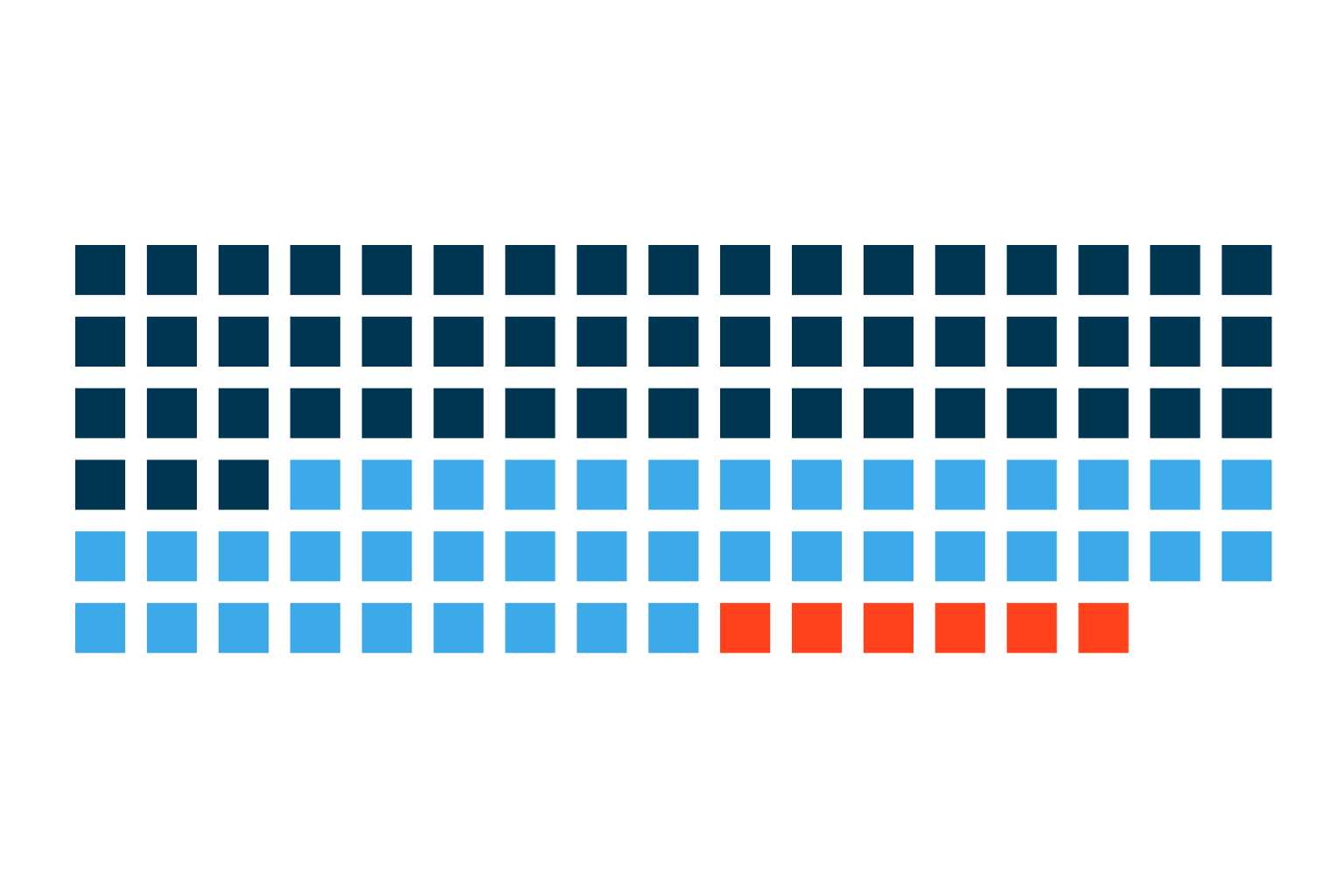
Only 54% of follow-up patients return on schedule. See what late and lost patients are worth per physician and how voice AI brings them back.
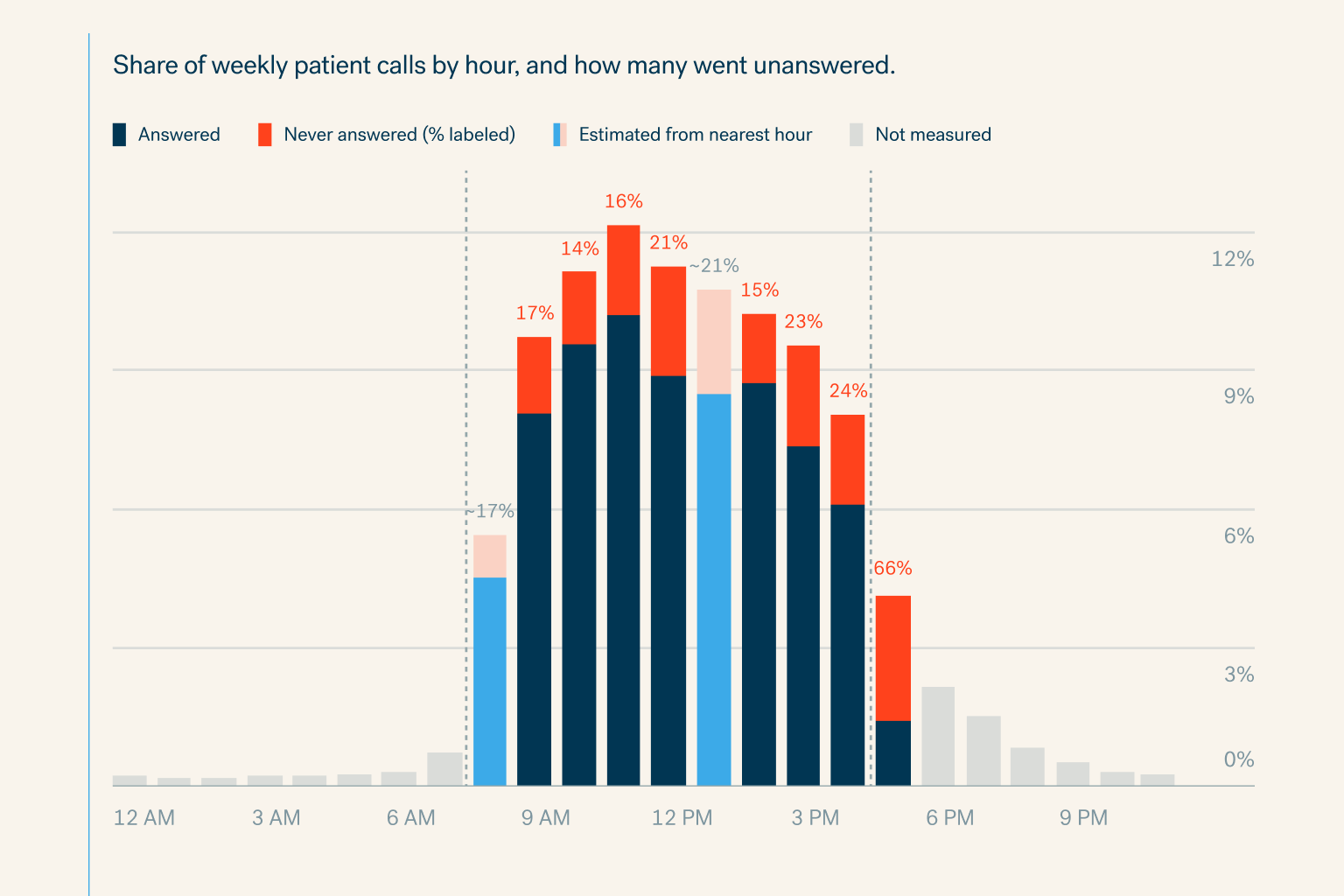
Specialty practices miss 18% of patient calls in office hours and 81% after hours. See the cost per physician and how voice AI books every call.
New research quantifies four ways AI can help specialty practices reach more patients, and get paid for the care they deliver—with an annual opportuni


