




Patient Recall for Specialty Practices: How to Bring Back the 46% Who Miss Their Follow-Up
Only 54% of follow-up patients return on schedule. See what late and lost patients are worth per physician and how voice AI brings them back.

Ever been stuck on hold with your doctor’s office, listening to canned music while your simple question goes unanswered? You’re not alone. In healthcare, a staggering 96% of patient complaints are tied to customer service issues like long holds and endless phone transfers. The phone is still the primary way most patients connect with their providers, yet the experience is often frustrating, leading to delayed care and burnt out staff.
This is where an AI voice agent in healthcare comes in. It’s not about replacing humans with robots; it’s about using smart, conversational technology to handle routine tasks instantly, freeing up staff for more complex patient needs. This guide explores every facet of how an AI voice agent is revolutionizing healthcare, from the first call a patient makes to the intricate back office workflows that keep a practice running. For a quick overview, explore our patient access and revenue cycle use cases.
A patient’s experience begins the moment they decide to make a call. An AI voice agent ensures that the first touchpoint is smooth, immediate, and helpful.
Patient access is all about how easily patients can engage with healthcare services. When the front door experience is poor, patients may delay care or even switch providers. In fact, 41% of patients have considered switching doctors due to difficulties reaching the office by phone. An ai voice agent in healthcare acts as a digital front door that is always open, ensuring every patient gets a fast, effective response.
An inbound voice AI agent is a virtual assistant that handles incoming calls. Unlike old phone menus, these agents use natural language to understand what a caller needs. They can answer questions, route calls, and schedule appointments 24/7. With around 41% of patient calls happening outside standard business hours, providing after hours support is crucial. AI makes this possible, ensuring no call goes to voicemail, a place where 62% of patients won’t even bother to leave a message.
Effective call routing gets a patient to the right person or resource on the first try. An AI voice agent excels at this by understanding spoken requests. Learn how to automate call routing in healthcare. A patient can say, “I have a question about my bill,” and the AI instantly routes them to the billing department or a specialized billing AI. This smart triage also includes a safety escalation protocol. If a caller mentions urgent symptoms like “chest pain,” the system immediately escalates the call to a live nurse or instructs them to dial 911.
Scheduling is one of the biggest bottlenecks. AI agents can autonomously handle booking, rescheduling, and canceling appointments by integrating directly with provider calendars. See our AI patient scheduling guide for best practices. Some clinics have seen over 60% of their appointments booked without any staff involvement. For patients who want to be seen sooner, the AI can manage a waitlist. When a cancellation occurs, the AI automatically calls patients on the list to offer the open slot, backfilling appointments in minutes and keeping schedules full.
The days of filling out clipboards in the waiting room are numbered. An AI voice agent can call patients before their visit to handle patient intake and pre registration. It can verbally confirm demographic information, insurance details, and medical history. This simple step dramatically reduces check in time and cuts down on data entry errors that lead to claim denials.
A huge volume of calls are for frequently asked questions, such as “What are your hours?” or “Where do I park?” An AI can manage these FAQs, providing instant, consistent answers and freeing up the front desk.
Beyond the initial contact, an ai voice agent in healthcare plays a vital role in coordinating the entire patient journey, making sure no one falls through the cracks.
An outbound voice AI agent proactively calls patients for reminders, follow ups, and outreach campaigns. While a human might dial around 200 numbers in a day, an AI agent can call thousands. This scalable outreach is key for managing care effectively. A crucial part of this is response handling for outreach; the AI doesn’t just leave a message but can interact, schedule, and answer questions, turning a simple reminder into a completed action.
Referral management is notoriously complex, with 20% to 40% of patients failing to see the specialist they were referred to. An AI agent can call the patient to help schedule the specialist appointment, ensuring continuity of care. Similarly, it can automate prescription refill requests. A patient can call, state their need, and the AI can verify the medication and send the request to the pharmacy, handling a majority of these routine calls without staff intervention.
Clear communication is vital for good outcomes. An AI agent can deliver pre visit instructions, ensuring patients are properly prepared for procedures, which reduces same day cancellations. It can also handle perioperative education, calling before and after surgery to review instructions and check on recovery. For test result notification, an AI can call with normal results to provide immediate peace of mind or, for abnormal results, prompt the patient to schedule a follow up with their doctor.
The future of medicine is proactive, not reactive. An ai voice agent in healthcare is a powerful tool for implementing value based care and population health strategies at scale.
In value based care, providers are paid for patient health outcomes, not the volume of services. This approach is particularly impactful for large organizations, and you can see our solutions for health systems and hospitals. This model relies on proactive patient engagement to close care gaps. An AI agent can call patients due for screenings or check ups, helping organizations meet their quality metrics and improve community health. This proactive approach leads to both better outcomes and significant ROI and cost reduction.
Population health management aims to improve the health of entire patient groups. An AI agent can conduct outreach to thousands of patients with chronic conditions like diabetes or hypertension. For chronic disease management, it can call patients to check on symptoms, gather home monitoring data (like blood pressure readings), and remind them to take their medication. This consistent support between appointments is proven to improve control over chronic conditions, which account for 90% of the nation’s annual health spending.
Preventive Screening Outreach: AI can call patients who are due for mammograms, colonoscopies, and other life saving screenings.
Annual Wellness Visit Outreach: Many Medicare patients don’t use their free Annual Wellness Visit. AI outreach can educate them on this benefit and schedule the appointment.
Medication Adherence Support: Non adherence to medication causes an estimated 125,000 preventable deaths annually. AI can send friendly call reminders to help patients stay on track.
Wellness Program Promotion: AI agents can promote wellness programs like smoking cessation or stress management classes, boosting participation and improving the return on these initiatives.
Modern healthcare recognizes that health is influenced by more than just medical care. AI voice agents can help providers address a wider range of patient needs.
Behavioral Health Engagement: AI can provide gentle reminders for therapy appointments and conduct well being check ins, helping to reduce no show rates and keep patients connected to their care.
Social Determinant Outreach: Social factors like food security and transportation drive up to 80% of health outcomes. An AI can call patients to screen for these needs and connect them to community resources.
Medicaid Redetermination Reminders: During the “Medicaid unwinding,” millions risk losing coverage due to missed paperwork. A proactive reminder call from an AI can help patients keep their health insurance.
Clinical Trial Recruitment: Over 80% of clinical trials are delayed due to recruitment challenges. An AI can automate outreach and pre screening calls to potential participants, accelerating vital research.
The financial health of a practice is just as important as the health of its patients. An ai voice agent in healthcare can automate tedious and time consuming revenue cycle tasks. For a deeper dive into claims workflows, read our definitive guide to AI‑automated claims management.
Staff can spend hours on the phone with insurance companies. An AI agent can automate insurance verification by calling payers, navigating their phone systems, and confirming a patient’s coverage and benefits with 99% accuracy. You can explore our benefits verification guide for healthcare providers for more information. This prevents claim denials tied to incorrect front end information.
Patients are often confused by their medical bills. An AI can handle common billing inquiry calls, explaining charges, clarifying insurance payments, and even securely processing payments over the phone. This provides instant answers for patients and improves cash flow for providers.
What makes a modern ai voice agent in healthcare so effective? It’s a combination of advanced technology designed for the complexities of medical conversations.
EHR Integration: Deep EHR integration is non negotiable. The agent must be able to read and write information directly into systems like Epic, Cerner, or athenahealth to be effective. Platforms like Prosper AI offer 80+ EHR and practice management integrations.
Generative AI: A generative AI voice agent can go beyond simple scripts, understanding context and generating human like, empathetic responses, making conversations feel more natural.
Technical Performance: Key technical aspects include latency mitigation to ensure conversations flow without awkward delays and turn detection to know when a speaker has finished, preventing interruptions.
Advanced Concepts: The future may include multimodal integration, where voice works alongside text and visuals, and even a digital twin of a healthcare system to model and optimize call flows before they go live.
Deploying an ai voice agent in healthcare requires a focus on trust, safety, and inclusivity.
Any technology handling patient data must have ironclad HIPAA compliance. This includes secure data transmission, access controls, and a willingness to sign a Business Associate Agreement (BAA). Choosing a partner with a strong security posture, like SOC 2 Type II certification, is essential.
Successful adoption depends on inclusive and accessible design. This means the AI must be easy to use for everyone, including older adults and those with disabilities. A core part of this is offering multilingual support to serve diverse patient populations.
When an AI provides clinical guidance, it may be considered Software as a Medical Device (SaMD), which falls under specific regulations. Reputable vendors will pursue clinical validation and trials to prove their agent’s safety and effectiveness.
Building trust and adoption among patients and staff is critical. This involves clear communication about what the AI does and how it helps. It also requires workforce training and oversight, empowering staff to work alongside the AI. Powerful call analytics provide transparency, allowing managers to monitor performance and identify areas for improvement. When considering a solution, key agent selection criteria include healthcare specific training, integration capabilities, and proven results.
Ready to see how an ai voice agent in healthcare can reduce administrative burden and improve the patient experience at your organization? Explore a platform built for healthcare or get started with a demo.
1. What is the main benefit of an AI voice agent in healthcare?
The primary benefit is creating capacity. It automates repetitive, high volume phone tasks, which improves patient access by providing immediate 24/7 service and reduces administrative burden, allowing staff to focus on higher value work and direct patient care.
2. Can an AI voice agent handle complex medical questions?
No, and it shouldn’t. A well designed ai voice agent in healthcare is built to handle routine administrative and logistical tasks like scheduling, refills, and billing questions. For any clinical or complex issue, its job is to quickly and safely escalate the call to a qualified human, such as a nurse or doctor.
3. How long does it take to implement an AI voice agent?
This varies, but modern platforms are surprisingly fast. With pre built “blueprints” for common healthcare workflows, some systems can go live in a matter of weeks, not months. Solutions like Prosper AI can even launch pilot programs in just a few days.
4. Is using an AI voice agent in healthcare secure and HIPAA compliant?
Yes, provided you choose a vendor that prioritizes security. A compliant AI voice agent operates in a secure environment, encrypts all patient data, and the vendor will sign a BAA. Always look for certifications like SOC 2 Type II as proof of their commitment to security.
5. How do patients react to talking to an AI?
When the AI is effective, patients react very positively. They appreciate the zero second wait time and the ability to resolve their issue quickly and conveniently, any time of day. The key is a well designed, natural sounding agent that understands their intent and helps them achieve their goal efficiently.
6. How does an AI voice agent improve a clinic’s finances?
It improves finances in several ways: by reducing appointment no shows, backfilling cancellations to keep schedules full, cutting down on claim denials through accurate pre registration, improving collections on patient balances, and lowering call center operational costs.
Discover how healthcare teams are transforming patient access with Prosper.
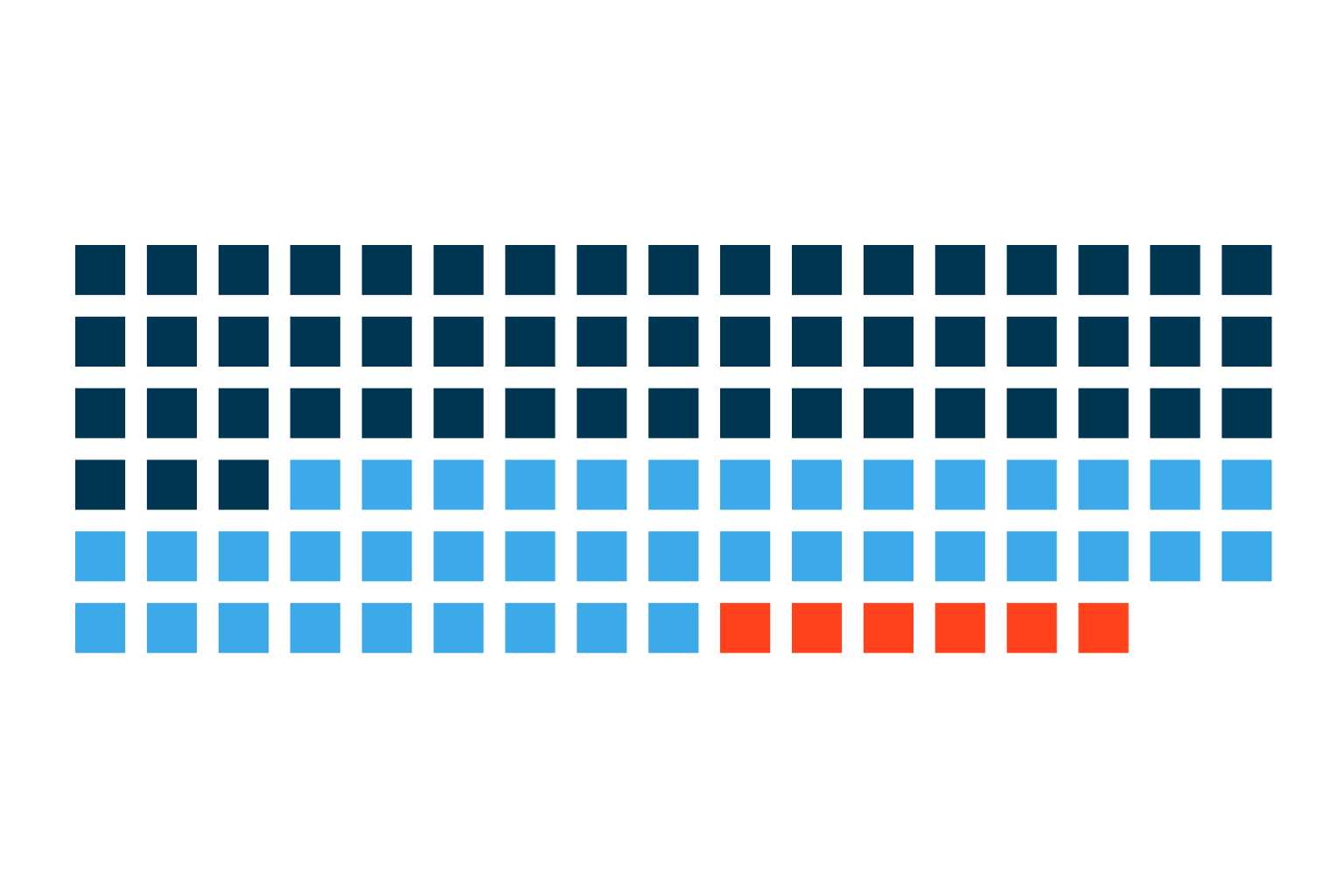
Only 54% of follow-up patients return on schedule. See what late and lost patients are worth per physician and how voice AI brings them back.
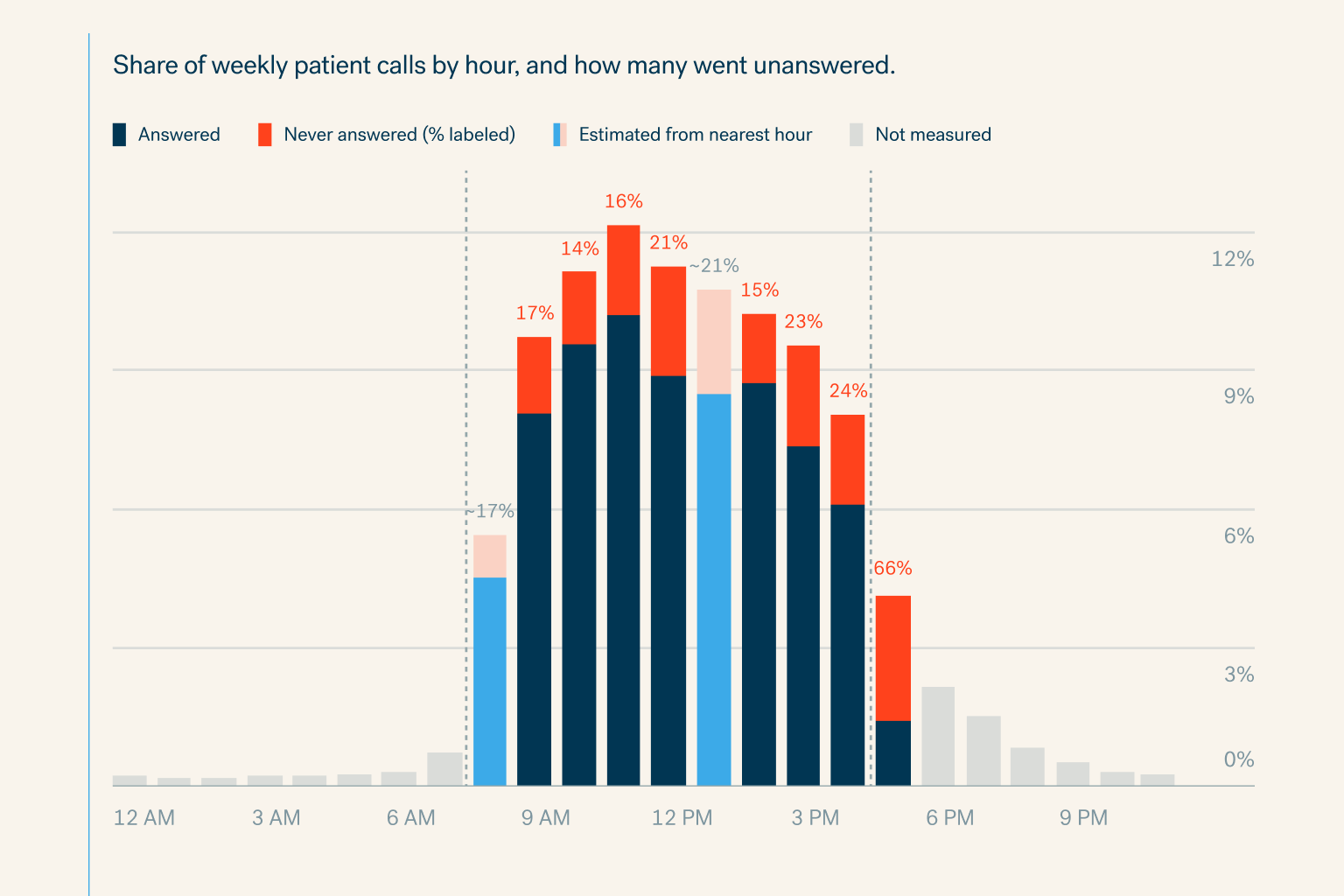
Specialty practices miss 18% of patient calls in office hours and 81% after hours. See the cost per physician and how voice AI books every call.
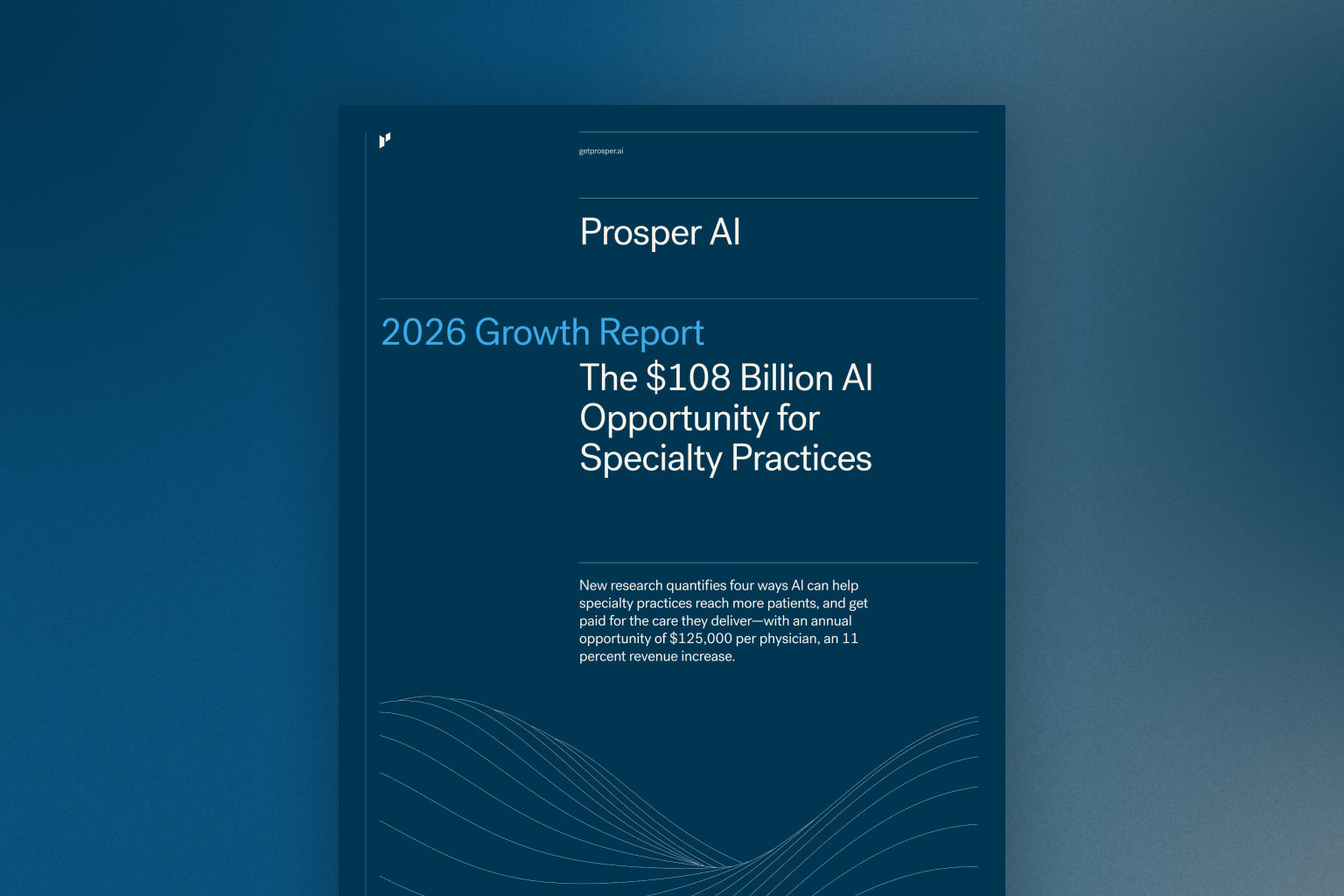
New research quantifies four ways AI can help specialty practices reach more patients, and get paid for the care they deliver—with an annual opportuni


