




Patient Recall for Specialty Practices: How to Bring Back the 46% Who Miss Their Follow-Up
Only 54% of follow-up patients return on schedule. See what late and lost patients are worth per physician and how voice AI brings them back.

AI patient engagement is the use of artificial intelligence to manage and enhance every interaction between a healthcare provider and a patient. This is no longer a futuristic concept in medicine; it’s a powerful tool actively reshaping how healthcare organizations connect with people. From the first time a patient looks up their symptoms online to the follow up care they receive after a procedure, AI is creating a more responsive, personalized, and efficient experience.
This guide explores the key technologies and strategies driving the AI patient engagement revolution. We will break down everything from the AI powered digital front door to the back end systems that make seamless communication possible, giving you a clear picture of what these innovations mean for both patients and providers.
The first interaction a patient has with a healthcare provider often sets the tone for their entire journey. AI is transforming this initial phase, making it faster, smarter, and more accessible. Effective AI patient engagement starts by building a better digital front door.
A digital front door is every online touchpoint a patient uses to access care, including websites, apps, and search results. An AI powered digital front door uses intelligence to make these interactions seamless. Think of an AI chatbot on a hospital website that instantly answers questions about clinic hours and helps book an appointment. This meets modern patient expectations for convenience. In fact, 60% of millennial and Gen Z patients say they will switch providers over a poor digital experience.
Many patient journeys now begin with an online search for symptoms. AI powered symptom checkers are sophisticated tools that go a step further, using algorithms to analyze a patient’s reported symptoms and provide guidance on next steps. While these tools are not a substitute for a doctor’s diagnosis, they serve as a crucial first line of virtual triage. However, their accuracy has limitations. A key study found they listed the correct diagnosis first in only 34% of cases and gave appropriate triage advice about 57% of the time. They tend to be cautious, correctly advising urgent care 80% of the time but often over recommending medical care for minor issues.
Conversational AI, such as chatbots and voice assistants, allows patients to interact with healthcare systems using natural language. Instead of navigating confusing phone menus, a patient can simply speak or type their request, like “I need to reschedule my appointment.” Patients are embracing this for routine tasks, with 81% expecting AI to speed up responses for simple inquiries. Interestingly, 67% of people would feel more comfortable using a chatbot to schedule appointments for sensitive health issues, highlighting AI’s role in reducing patient embarrassment.
Platforms like Prosper AI are leading this charge with voice agents that can handle high volumes of patient calls for scheduling and routine questions, providing zero second wait times and freeing up staff to focus on more complex needs.
Patient portals are now standard, with about 60% of Americans having used one to access their medical records. AI takes these portals to the next level. Imagine an AI feature that translates complex lab results into plain language or a chatbot within the portal that guides you to information on preparing for a procedure. AI is also being used to triage patient messages and even draft replies for clinicians to review. This addresses a common complaint, as 24% of patients report slow responses to portal messages. An AI drafted response was found to be indistinguishable from a doctor’s reply about one third of the time, saving clinicians valuable time without sacrificing quality.
True AI patient engagement extends far beyond the initial appointment. It involves using data to create a continuous, personalized connection that supports patients in their day to day lives, helping them stay healthy and manage chronic conditions effectively.
With 129 million Americans living with a chronic illness, behavior change is a massive challenge in healthcare. AI can act as a personalized health coach, delivering the right advice at the right time. By analyzing a patient’s data, an AI can send tailored “nudges” via an app or text message. For a patient with diabetes, this could be a reminder to take insulin before a meal or a suggestion for a healthy recipe based on their grocery shopping habits. This hyper personalization makes health advice more actionable and effective.
Instead of sending generic email blasts, providers can use AI to deliver personalized, data driven outreach. By analyzing patient records, an AI can identify a group of patients, for example those overdue for a blood pressure check, and send them a customized message. This targeted approach is more effective and can lead to significant savings by preventing costly emergency situations. Some estimates suggest that implementing AI in healthcare operations could save the U.S. system up to $360 billion annually.
A “care gap” occurs when a patient is overdue for recommended preventive care, like a mammogram or a vaccination. AI powered automated outreach is a powerful tool for closing these gaps. Learn how AI voice agents for healthcare run large‑scale re‑engagement without adding staff. An AI system can identify overdue patients and automatically contact them via their preferred channel (text, email, or phone) with a personalized reminder. Because these interactions can feel less judgmental, they are often more effective for sensitive topics. Nearly a third of people have avoided medical care due to embarrassment, a barrier that automated outreach can help overcome.
Voice agents like Prosper AI’s “Sara” can run these campaigns at scale, calling patients who are overdue for care and even helping them schedule an appointment on the spot.
Language barriers can lead to serious medical complications. In the U.S., over 25 million people have limited English proficiency, putting them at higher risk for longer hospital stays and other issues. AI translation tools are breaking down these barriers. Modern AI can translate discharge instructions with high accuracy, one study found Google Translate was 92% accurate for Spanish and 81% for Chinese. While human oversight is still crucial for critical information, AI provides an invaluable tool for ensuring every patient understands their care plan.
An excellent patient experience relies on efficient behind the scenes operations. AI is a game changer for streamlining administrative and clinical workflows, which directly translates into better, more focused care and a more effective approach to AI patient engagement.
Missed appointments cost the U.S. healthcare system an estimated $150 billion every year. AI can predict which patients are likely to no show by analyzing historical data like past attendance, time of day, and even weather patterns. With this information, clinics can send targeted reminders or strategically overbook slots to keep schedules full. This optimization not only protects revenue but also improves patient access. One gastroenterology group used an AI agent from Prosper AI to handle scheduling and waitlist management, reducing call backlogs and getting patients seen faster. For a deeper dive, read our AI patient scheduling guide.
See how AI can dramatically reduce no-shows and streamline your scheduling. Learn more about Prosper AI’s solutions.
AI excels at finding subtle patterns in data that can predict disease long before symptoms appear. In medical imaging, AI has proven to be incredibly powerful. For example, a Google AI model was able to detect 5% more lung cancer cases from CT scans while reducing false positives by over 11% compared to expert radiologists. This ability to catch diseases at their earliest, most treatable stages represents a monumental shift from reactive to proactive healthcare.
Physician burnout is a crisis, with heavy documentation being a primary cause. Doctors spend nearly two hours on paperwork for every one hour of patient care. Ambient AI scribing tools are tackling this problem head on. If you’re evaluating solutions, use our HIPAA‑compliant autonotes checklist. These systems listen to the conversation between a doctor and patient and automatically generate a structured clinical note. The impact is profound: one study found that using an ambient AI scribe reduced physician burnout by nearly 31%. This allows doctors to maintain eye contact, listen more attentively, and get back to the art of medicine.
None of these advanced applications can work in a vacuum. The foundation of successful AI patient engagement is a connected data ecosystem where information flows freely and securely between different systems.
A 360 degree patient view is a unified profile that pulls together data from every source, including different clinics, labs, and even wearable devices. This comprehensive view prevents redundant tests, avoids dangerous medication errors, and ensures continuity of care. Creating this unified view requires integrating disparate systems, a task that can be challenging. More than 40% of healthcare staff spend 10 to 20 hours each week just troubleshooting data issues.
When healthcare IT systems do not talk to each other, communication breaks down. This fragmentation costs the industry an estimated $30 billion annually in the U.S. and contributes to medical errors. Integration is the solution. Using modern standards like FHIR, healthcare organizations are connecting their systems to create a seamless flow of information. Platforms designed for integration are essential. For example, Prosper AI’s voice platform connects with over 80 different EHR and practice management systems, ensuring that any action taken by an AI agent is automatically documented in the patient’s record.
Traditional Electronic Health Records (EHRs) are often seen as digital filing cabinets. An AI native EHR, however, is designed with intelligence at its core. It’s an active partner that automates documentation, offers predictive insights, and facilitates communication. The partnership between Epic and Microsoft to embed generative AI into the EHR workflow is a leading example. This technology can listen to a visit, draft a clinical note, and even create a summary for the patient in plain language. This is the future of the EHR, a system that works for clinicians and patients, not against them.
The journey toward comprehensive AI patient engagement is well underway. The technologies described here are not science fiction; they are being implemented in clinics and hospitals today. By automating routine communication, personalizing outreach, and streamlining operations, AI is creating a healthcare system that is more responsive to patient needs. Embracing these tools can lead to greater efficiency, stronger relationships, and ultimately, better health outcomes for everyone.
To see how intelligent voice automation can elevate your AI patient engagement strategy, schedule a demo of Prosper AI.
AI patient engagement refers to the use of artificial intelligence technologies to manage and improve interactions between healthcare providers and patients. It includes everything from AI powered chatbots for scheduling and symptom checking to personalized health education and automated outreach for preventive care. The goal is to make healthcare more efficient, accessible, and tailored to individual patient needs.
AI improves the patient experience by providing instant, 24/7 access to information and services. It reduces wait times for appointments and answers, offers personalized health guidance, and simplifies administrative tasks like scheduling and billing. This leads to patients feeling more informed, supported, and in control of their healthcare journey.
Safety and accuracy are top priorities. While AI tools like symptom checkers have limitations and are not a substitute for professional medical advice, other applications, particularly in medical imaging analysis and administrative automation, have demonstrated accuracy rivaling or even exceeding human performance. All healthcare AI must be HIPAA compliant and is typically used as a tool to support, not replace, human clinicians who provide final oversight.
For medical practices, a major benefit of AI is significant operational efficiency. AI automates time consuming administrative tasks like phone calls, scheduling, and clinical documentation. This frees up staff to focus on direct patient care, reduces administrative costs, and helps combat staff burnout.
AI enhances patient communication by providing scalable, consistent, and personalized interactions. Conversational AI can answer common questions instantly, AI powered outreach can remind patients about appointments and preventive care, and AI translation tools can break down language barriers, ensuring all patients receive clear and understandable information.
No, AI is designed to augment and support healthcare professionals, not replace them. It excels at handling data analysis, pattern recognition, and repetitive administrative tasks, which allows doctors and nurses to dedicate more of their time and expertise to complex decision making, hands on care, and building human relationships with their patients.
A great starting point is to identify your biggest administrative bottlenecks, such as high call volume, appointment no shows, or staff spending too much time on follow up calls. Implementing a targeted solution like an AI voice agent for scheduling or automated outreach can provide a quick return on investment and demonstrate the power of AI in your practice.
Discover how healthcare teams are transforming patient access with Prosper.
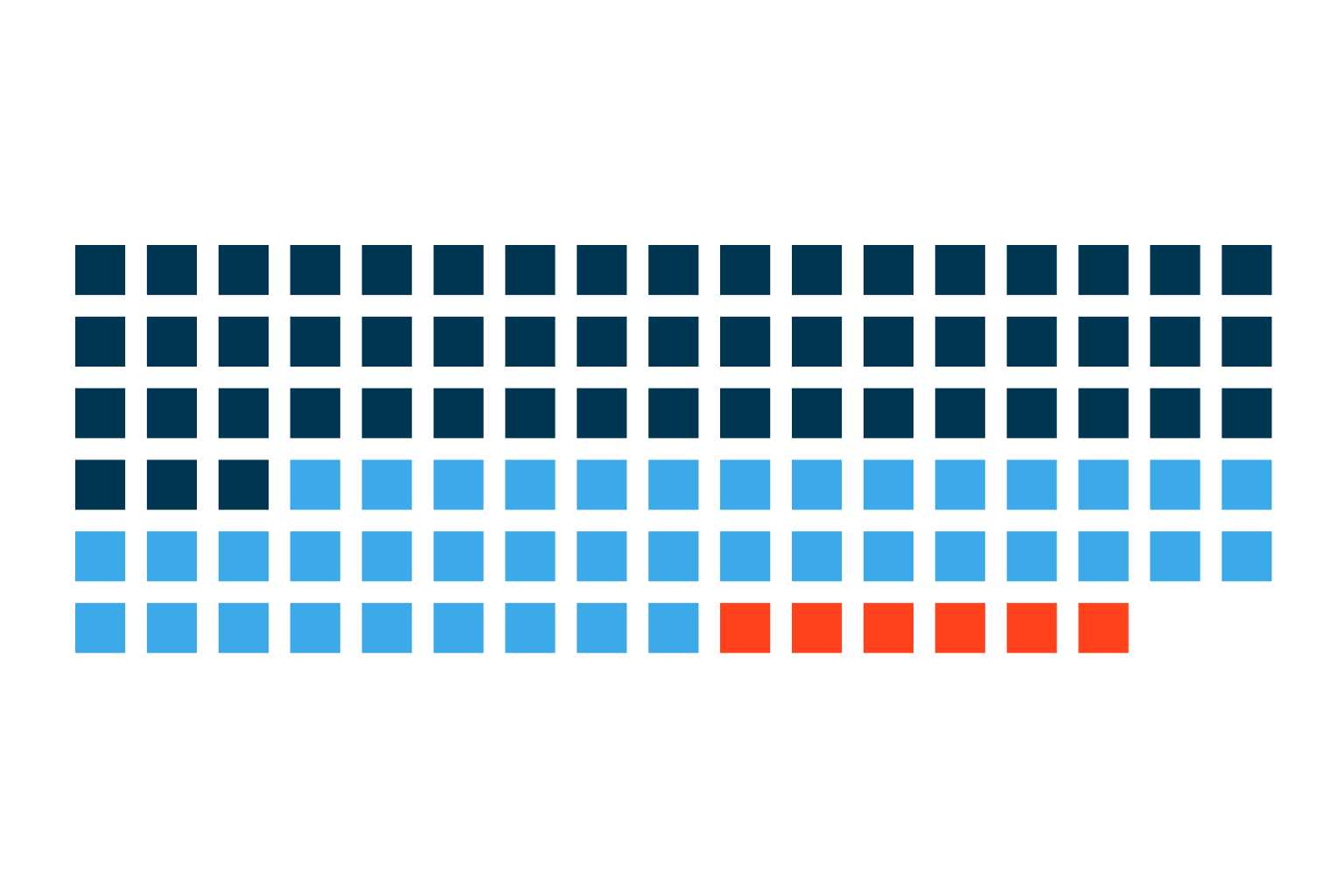
Only 54% of follow-up patients return on schedule. See what late and lost patients are worth per physician and how voice AI brings them back.
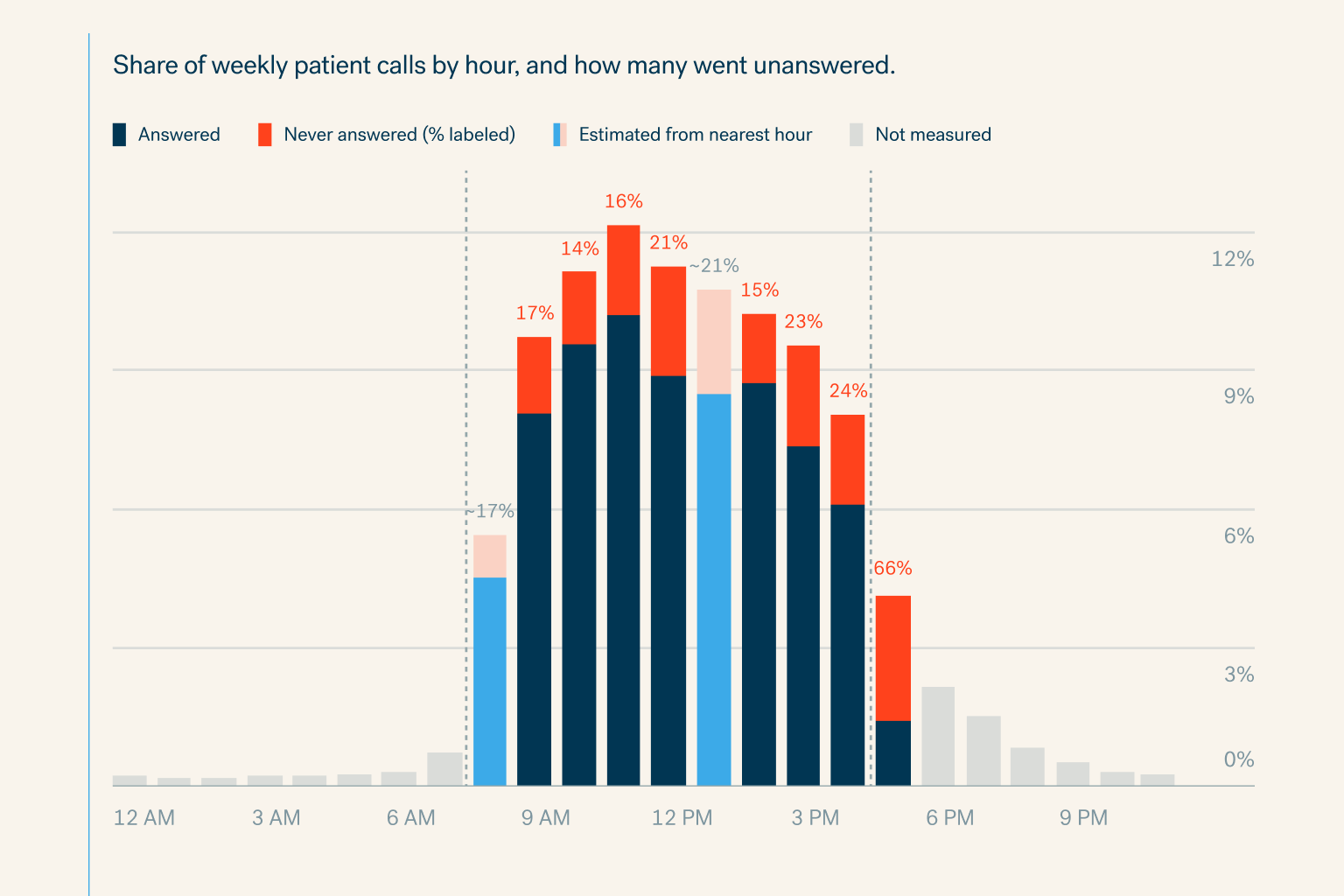
Specialty practices miss 18% of patient calls in office hours and 81% after hours. See the cost per physician and how voice AI books every call.
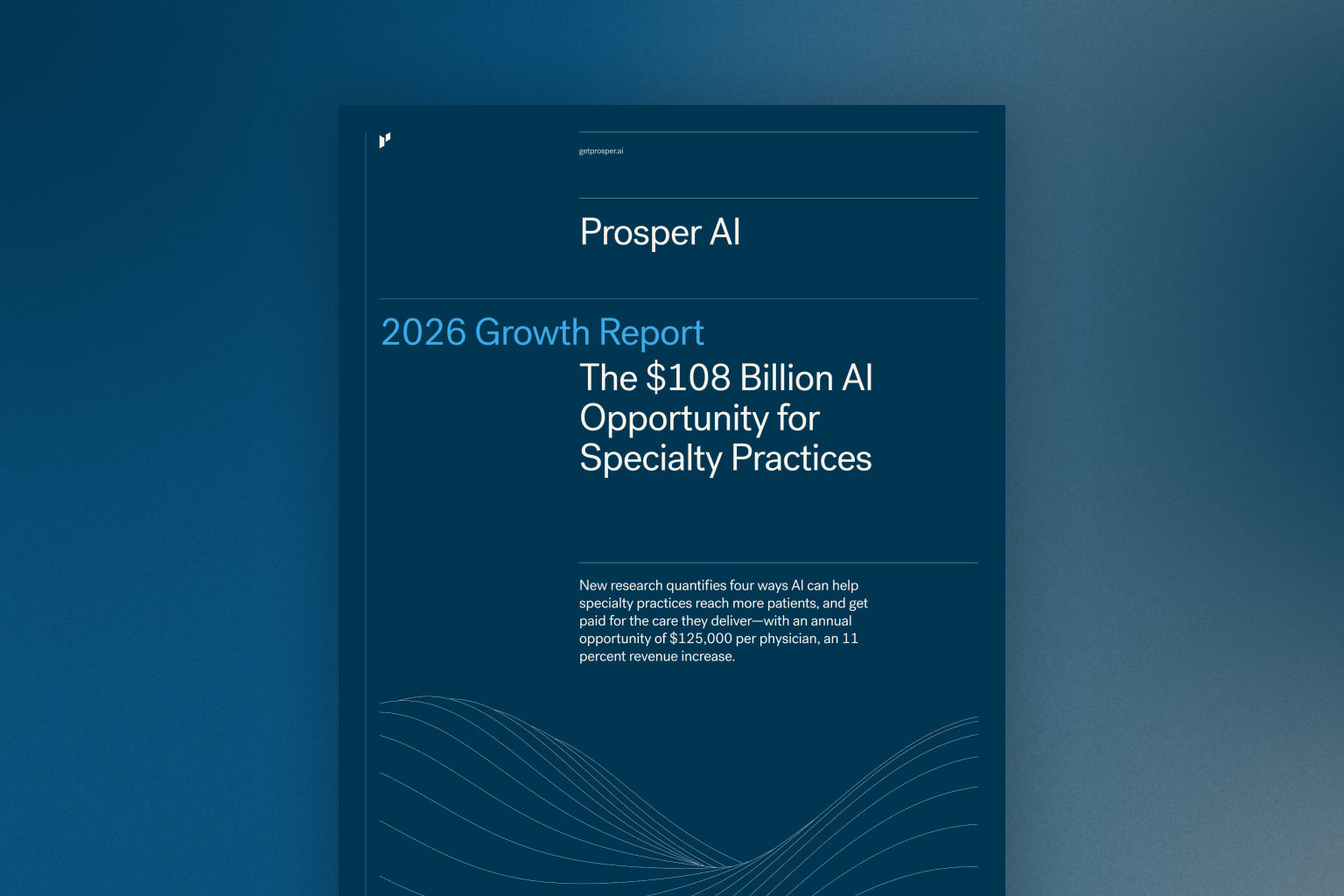
New research quantifies four ways AI can help specialty practices reach more patients, and get paid for the care they deliver—with an annual opportuni


