




Patient Recall for Specialty Practices: How to Bring Back the 46% Who Miss Their Follow-Up
Only 54% of follow-up patients return on schedule. See what late and lost patients are worth per physician and how voice AI brings them back.
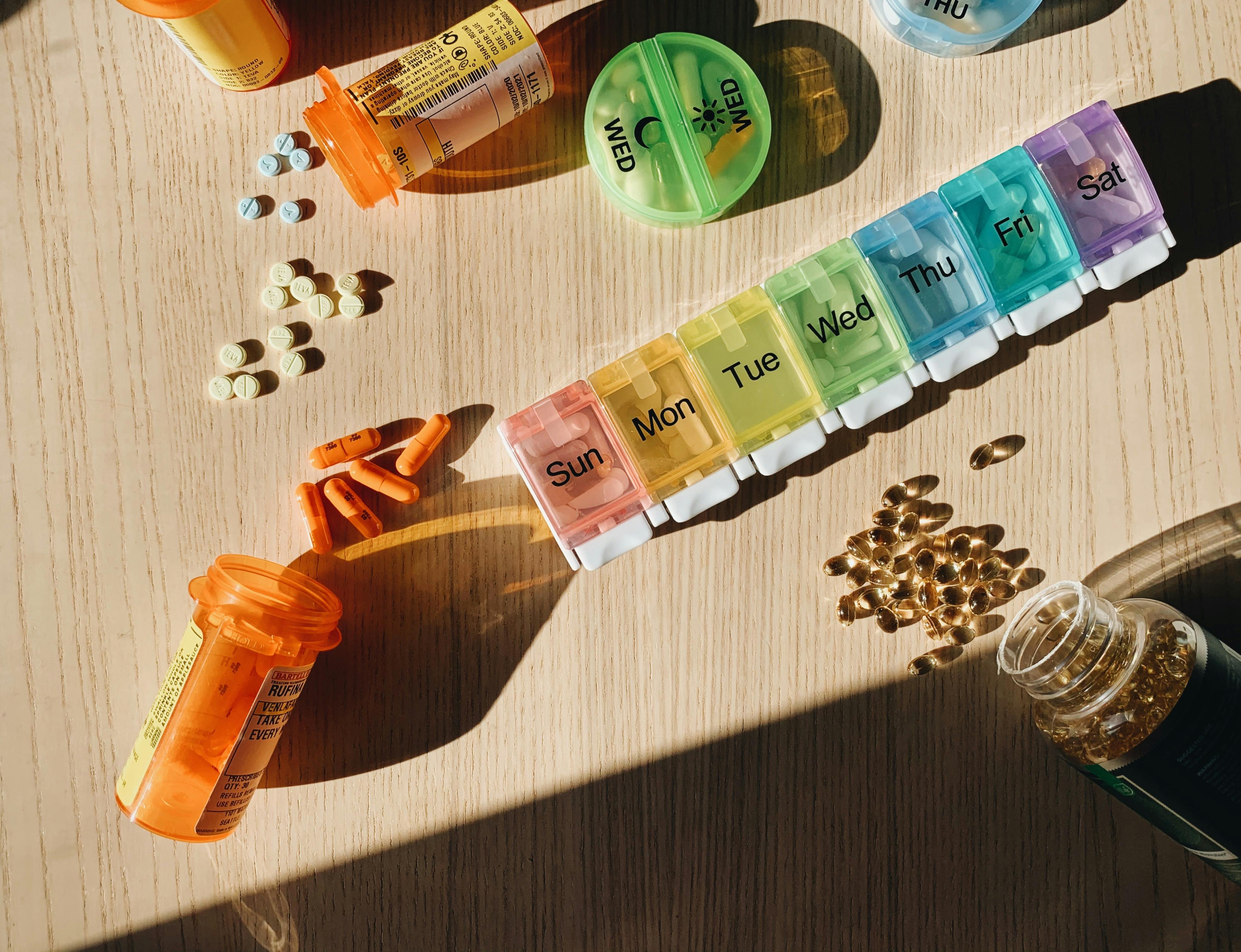
It’s a quiet crisis happening in homes across the country. A prescription is written, filled, and then… what happens next is a trillion dollar question. Not taking medications as prescribed, a problem known as non adherence, is a massive public health challenge. It contributes to around 125,000 preventable deaths and a staggering $300 billion in avoidable healthcare spending in the United States each year. Globally, things are just as concerning, with over half of patients with chronic conditions in high income countries failing to follow their treatment plans.
This is where a medication adherence campaign steps in. It’s not just about nagging people to take their pills. It’s a coordinated effort to educate, empower, and equip patients and providers with the tools and knowledge needed to make medication work as intended. From nationwide initiatives to global movements, these campaigns are crucial for improving health outcomes and making our healthcare system more efficient.
To understand the moving parts of a successful medication adherence campaign, a great case study is the Script Your Future initiative. Launched in 2011 by the National Consumers League, this public education campaign was a landmark effort in the U.S. to tackle the adherence crisis head on.
At its core, Script Your Future aimed to raise awareness about the serious risks of not taking medication as directed. With a coalition of over 130 partner organizations, the campaign focused on a clear message: your health and your future are at risk if you don’t stick to your treatment plan. This wasn’t just about public service announcements; it was a comprehensive strategy designed to change behavior.
The campaign smartly focused its efforts on three common chronic disease areas where adherence has a huge impact:
Cardiovascular Disease: This includes silent killers like high blood pressure and high cholesterol. Since patients often don’t “feel” sick, they might skip pills, yet adherence here can literally prevent a heart attack or stroke. Research shows that heart attack survivors who stick to their meds have a 20% lower rate of future cardiovascular events.
Diabetes: Managing diabetes is complex, often involving daily pills, insulin, and blood sugar monitoring. Poor adherence can lead to devastating complications like kidney failure and blindness. The campaign zeroed in on diabetes due to its prevalence (affecting millions of Americans) and the fact that consistent medication use dramatically improves outcomes.
Respiratory Diseases: For conditions like asthma and COPD, daily controller inhalers are essential for preventing dangerous flare ups. Adherence to these medications is notoriously low, with some studies finding that only about a third of asthma patients use their maintenance inhalers correctly.
Script Your Future knew that national messaging had to be paired with community action. They piloted intensive outreach programs in six target cities, tailoring the approach to local needs.
Baltimore: With high rates of diabetes and hypertension, the Baltimore launch was a major event attended by the U.S. Surgeon General. A local coalition provided practical tools like pillboxes and focused on closing the communication gap between patients and doctors.
Sacramento: A key focus here was overcoming language and cultural barriers in the city’s diverse communities. The campaign translated materials into Spanish and worked with local pharmacies to address cost concerns, a major barrier for many residents.
Birmingham: In a state with some of the nation’s highest rates of chronic illness, the effort was grassroots focused. Outreach happened at senior centers, faith based gatherings, and community health fairs to meet people where they were.
Cincinnati: The campaign leveraged the city’s strong network of hospitals and universities. Pharmacy students were actively engaged to counsel patients and run community events, emphasizing better patient provider dialogue.
Providence: This pilot showed that adherence is an issue even in smaller cities. The initiative focused on empowerment, distributing multilingual educational materials to reach the area’s diverse populations and engaging health profession students in the cause.
Raleigh: In North Carolina’s Research Triangle, the campaign emphasized cardiovascular health and promoted the use of technology like text message reminders and phone call follow ups to help residents stay on track.
The campaign’s website, ScriptYourFuture.org, served as a crucial resource for both consumers and healthcare professionals. For patients, it offered free text message reminders, printable medication calendars, and easy to understand tip sheets. For providers, it was a one stop shop for the HCP toolkit, with downloadable conversation guides, patient handouts, and other tools to facilitate better adherence discussions.
While Script Your Future focused on the U.S., the problem of non adherence is global. Recognizing this, the World Heart Federation and a coalition of partners launched World Adherence Day on March 27, 2025. This medication adherence campaign aims to elevate the issue to a worldwide crisis that needs urgent action.
The campaign’s powerful slogan and hashtag, #DontMissAMoment, drives home the core emotional benefit of adherence. The message is simple: by taking your medication, you can prevent avoidable health issues and be present for life’s important moments. The hashtag helps unite a global conversation, with patients, providers, and organizations sharing stories and tips on social media.
World Adherence Day was launched by a partnership alliance of 15 international organizations, including the European Society of Cardiology, the International Pharmaceutical Federation, and the International Diabetes Federation. This broad coalition exemplifies the team effort required to tackle adherence, bringing together experts from across the healthcare spectrum to speak with one voice.
A successful medication adherence campaign is more than just awareness; it’s about providing practical strategies and tools. Over the years, a number of interventions have proven to be effective.
It all starts with a better conversation. Providers often don’t ask, and patients are often hesitant to share their struggles.
HCP Communication and Toolkits: Campaigns provide healthcare professionals with toolkits to improve these crucial conversations. These include conversation starters, facts about adherence, and patient friendly handouts. For how automation supports these conversations, explore AI voice agents for healthcare. A key finding from a campaign survey was that only 55% of patients said their doctor regularly asked if they had trouble taking their meds, highlighting a major communication gap.
Pharmacist and Primary Care Communication: When pharmacists and doctors work as a team, patients get consistent support. This collaboration can involve sharing notes through electronic health records and practice management systems (see EHR and PM integrations) or formal Collaborative Practice Agreements (CPAs). As of 2023, all 50 U.S. states allow for these agreements, which empower pharmacists to take a more direct role in managing medication therapy.
Motivational Interviewing: This patient centered counseling technique helps patients find their own motivation to change. Instead of lecturing, a provider guides the patient to articulate their own reasons for taking their medication. Studies show this approach significantly improves adherence rates.
People don’t follow their medication plans for many reasons. A patient adherence barrier assessment is the process of figuring out what’s getting in the way for each individual. Common barriers include:
Simple forgetfulness
Complex regimens with multiple pills
Fear of side effects
High costs
Lack of symptoms (not feeling sick)
Language or health literacy issues
Once the specific barrier is identified, the solution can be tailored. For forgetfulness, a pillbox might work. For cost issues, the answer might be a patient assistance program.
Pharmacists are on the front lines and are perfectly positioned to help.
Tailored Interventions: A tailored, pharmacy based intervention means moving beyond one size fits all advice. This could involve setting up a reminder program, helping a patient switch to a generic to save money, or providing education in their preferred language.
Pharmacist Patient Care Process: This is a standardized, five step process (Collect, Assess, Plan, Implement, and Follow up) that pharmacists use to provide consistent, patient centered care. It ensures adherence is addressed systematically at every encounter.
Medication Therapy Management (MTM): MTM is a comprehensive service where a pharmacist reviews all of a patient’s medications to optimize therapy. It’s a deep dive that can uncover and solve multiple medication related problems, including non adherence.
Appointment Based Model (ABM): This model syncs all of a patient’s refills to a single, recurring monthly appointment day. Evidence shows this significantly boosts adherence, with one study finding that patients in an ABM program were over twice as likely to be adherent. For tips on keeping provider calendars full and reducing no-shows, see this AI patient scheduling guide.
Sometimes, the simplest tools make the biggest difference. A good medication adherence campaign promotes low tech, high impact aids.
Pillbox: A pill organizer with compartments for each day of the week helps patients track if they’ve taken their doses and avoid confusion.
Medication Card: A wallet card listing all medications, dosages, and purposes is an invaluable tool. It empowers patients, improves accuracy, and facilitates better conversations with providers. The Script Your Future campaign distributed over one million of these cards.
Calendar: A medication calendar helps patients map out their regimen and check off each dose. It provides a visual plan and a sense of accomplishment.
Patient Education Materials: Clear, easy to understand brochures, fact sheets, and how to guides are fundamental. They reinforce verbal instructions and empower patients with knowledge.
Technology is adding powerful new tools to the adherence toolkit.
Medication Refill Synchronization: As part of the ABM, med sync uses pharmacy systems to align all of a patient’s chronic refills to the same day each month, simplifying their schedule and reducing missed refills.
Enhanced Follow up: This means proactively checking in with patients after they start a new medication. Traditionally, this is done with phone calls from a nurse or pharmacist. Today, technology can automate this critical step. AI powered voice agents can place thousands of follow up calls, ask patients how they’re doing with a new prescription, and flag anyone who needs help from a live clinician. This scales the high touch support that is proven to boost adherence. For healthcare providers looking to systematically improve outreach, see how AI automates patient follow-up.
Text Messaging Reminders: A simple text message can be a powerful nudge. One meta analysis found that patients receiving text reminders were nearly three times more likely to adhere to their medication. These systems are low cost, scalable, and highly effective for overcoming simple forgetfulness. When combined with other technologies, like proactive voice calls for patients who don’t respond, they create a robust support system. Explore AI for patient scheduling and appointment reminders to build a comprehensive program.
Running a medication adherence campaign requires resources, so proving its value is essential (review case studies showing measurable impact).
Campaigns start with a baseline survey to understand initial attitudes and behaviors. This helps shape the campaign’s focus. For example, a survey in Baltimore found that while patients felt comfortable asking questions, their doctors weren’t always asking them about adherence, identifying a key area for intervention. Throughout and after the campaign, evaluation tracks metrics like materials distributed, patients counseled, and media impressions to measure reach and impact.
Success depends on stakeholder engagement. Everyone has a role to play.
Patients and Families: They are at the center of any effort.
Pharmacies and Providers: They deliver the interventions and build trusting relationships.
Payers (Insurers): They can remove cost barriers by lowering copays and provide funding for adherence programs, recognizing the strong return on investment (see voice automation for payors).
A truly effective medication adherence campaign brings all these groups together. Script Your Future’s success was largely credited to its broad coalition of over 130 public and private partners.
The messaging used in a medication adherence campaign often comes down to two things: saving lives and saving money. Non adherence is linked to 125,000 deaths and costs the U.S. healthcare system up to $300 billion annually in avoidable hospitalizations and emergency visits. Highlighting these figures creates a sense of urgency and makes a powerful case for investment. Improving adherence is one of the few opportunities in healthcare that can dramatically improve health outcomes while simultaneously lowering overall costs.
The primary goal of a medication adherence campaign is to improve public health by increasing the number of patients who take their medications as prescribed. This involves raising awareness, educating patients and providers, and providing practical tools and support to overcome barriers to adherence.
Success is measured through various metrics, including pre and post campaign surveys to track changes in patient attitudes and behaviors, analysis of prescription refill data (like Proportion of Days Covered), tracking the number of patients reached and counseled, and ultimately, observing improvements in health outcomes and reductions in healthcare costs like hospitalizations.
Common barriers include forgetfulness, complex medication schedules, high costs, fear of side effects, a lack of understanding about the medication’s importance (especially for asymptomatic conditions like high blood pressure), and poor communication with healthcare providers.
Several low tech, effective tools can help, including weekly pillboxes to organize doses, medication wallet cards to keep track of all prescriptions, and medication calendars to check off doses as they are taken.
Technology offers scalable solutions like automated text message reminders, medication synchronization programs run by pharmacies, and AI powered voice agents that can proactively call patients to provide reminders and check for any issues with their treatment plan. These tools help healthcare systems support more patients effectively.
Ultimately, tackling medication non adherence is a complex but solvable problem. Through a smart, multifaceted medication adherence campaign that engages all stakeholders and utilizes both simple tools and innovative technology, we can help ensure patients get the full benefit of the medicines they are prescribed. By doing so, we can save countless lives, prevent unnecessary suffering, and build a more effective and sustainable healthcare system for everyone. Advanced tools like the AI voice agents from Prosper AI are becoming essential, helping to scale the personalized outreach that keeps patients on track and ensures they truly don’t miss a moment. Get started with Prosper AI.
Discover how healthcare teams are transforming patient access with Prosper.
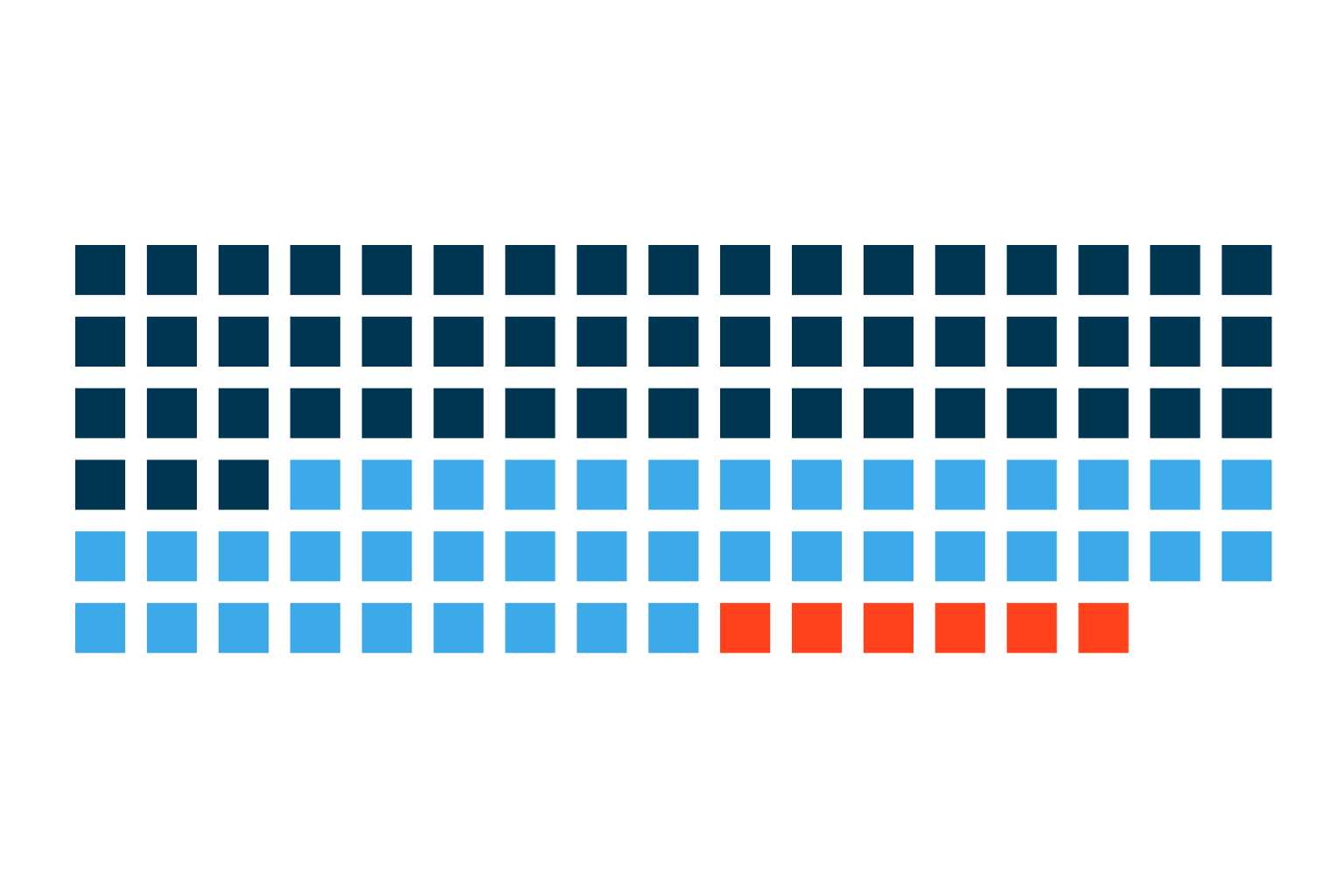
Only 54% of follow-up patients return on schedule. See what late and lost patients are worth per physician and how voice AI brings them back.
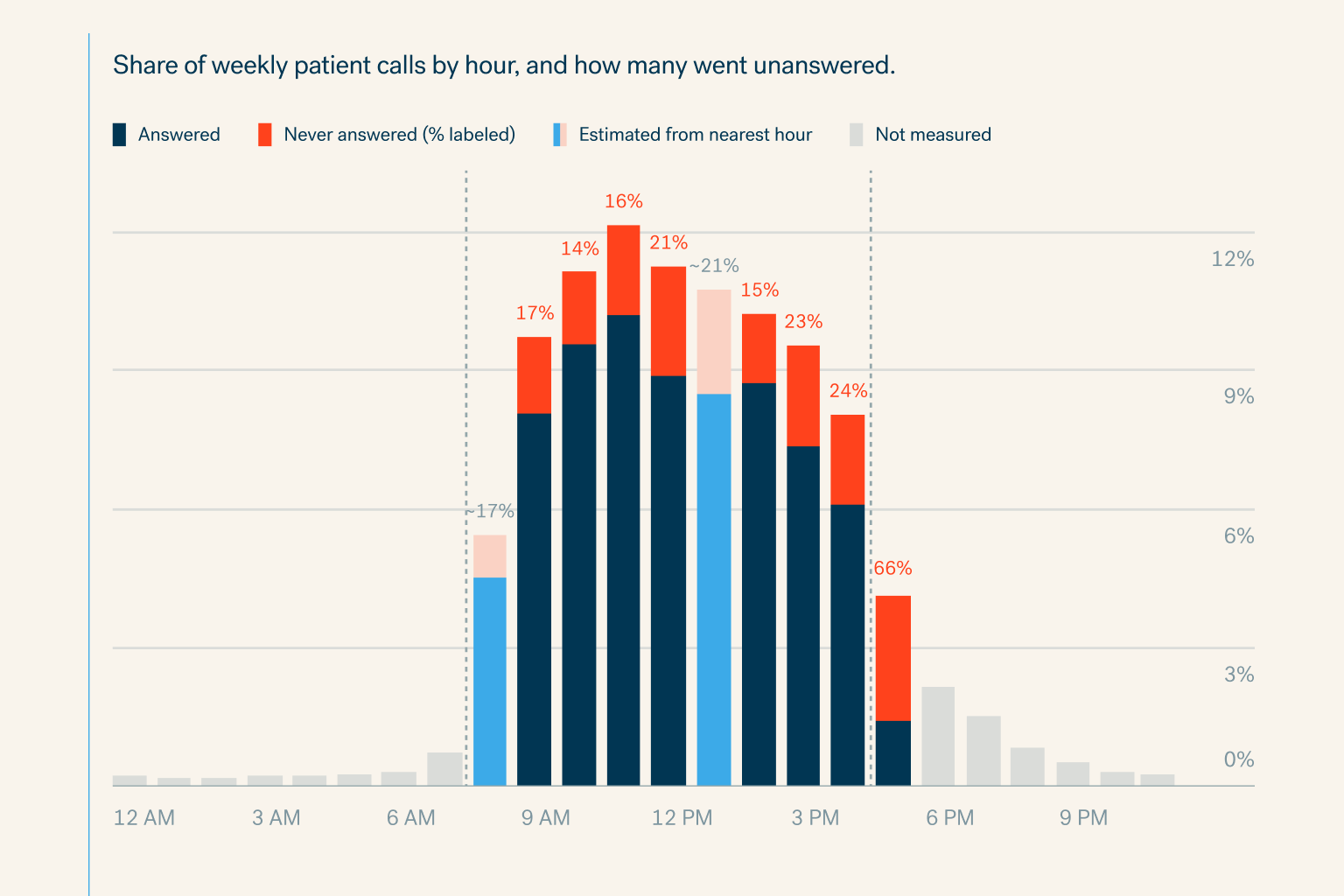
Specialty practices miss 18% of patient calls in office hours and 81% after hours. See the cost per physician and how voice AI books every call.
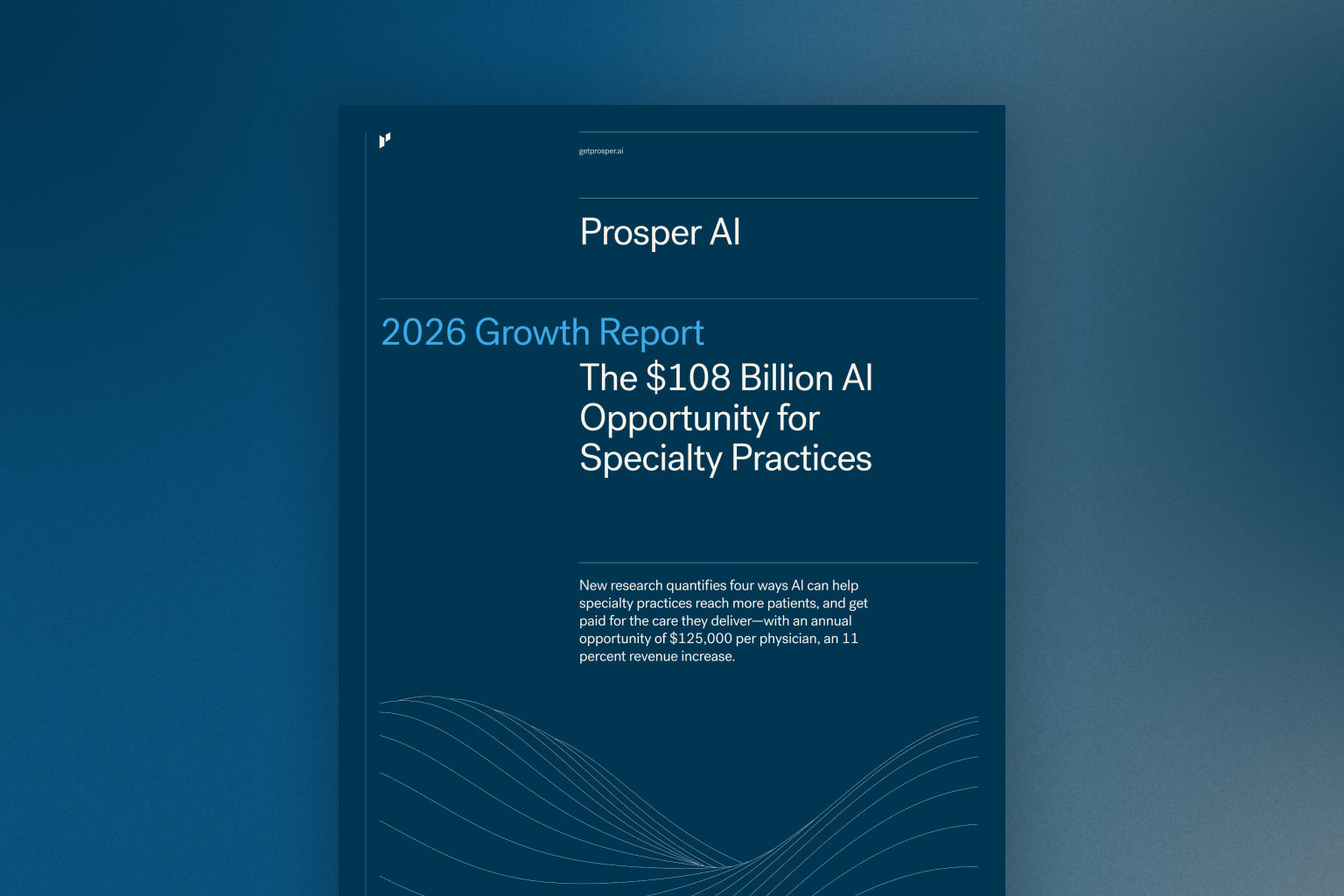
New research quantifies four ways AI can help specialty practices reach more patients, and get paid for the care they deliver—with an annual opportuni


