




Patient Recall for Specialty Practices: How to Bring Back the 46% Who Miss Their Follow-Up
Only 54% of follow-up patients return on schedule. See what late and lost patients are worth per physician and how voice AI brings them back.

Claim denials are a massive headache for healthcare providers. Every year, insurers deny a staggering $260 billion in claims, creating a huge revenue drain. For a typical hospital, this can mean an annual loss of around $5 million. With over half of providers reporting that denials are on the rise, and with chronic staffing shortages making matters worse, manually chasing every denied claim is no longer sustainable. This is where automated denial follow up solutions for hospitals come in, transforming a reactive, labor intensive process into a proactive, efficient, and revenue boosting strategy.
This guide explores the essential components of modern denial management, showing how automation can help your organization prevent denials, accelerate follow up, and ultimately capture the revenue you’ve earned.
The best way to handle a denial is to prevent it from ever happening. Modern automation focuses heavily on getting the claim right the first time.
A huge number of denials, around 61% according to some data, stem from simple eligibility errors like incorrect insurance information at intake. Real time eligibility verification is your first line of defense. These tools instantly connect to payer databases at the time of scheduling or registration to confirm a patient’s coverage. This simple check catches lapsed policies or incorrect plan details upfront, preventing a guaranteed denial down the line. For a deeper checklist on what to capture and verify, see our benefits and eligibility verification guide.
Before a claim is ever sent, it needs to be perfect. Automated claim correction tools, often called claim scrubbers, act as a digital safety net. They scan every claim for common errors like missing patient data, coding mistakes, or mismatched procedure codes. Since 68% of healthcare finance leaders say submitting “clean” claims has become more challenging, these tools are vital for improving your first pass acceptance rate.
Imagine knowing which claims were likely to be denied before you even submit them. That’s the power of predictive analytics. Using AI and historical data, these systems analyze claims and assign a denial risk score. High risk claims can be flagged for human review, ensuring extra scrutiny is applied where it’s needed most. This proactive approach is critical because up to 90% of all claim denials are preventable. One medical center using predictive analytics saw its denial volume decrease by 4 to 5% each month.
None of this works in a silo. True automation relies on two key pieces of infrastructure:
EHR and Clearinghouse Integration: This creates a seamless electronic highway for your claims data. Information flows automatically from your EHR to the clearinghouse (the service that sends claims to payers) and back again. This eliminates manual data entry and ensures that denial information is received and processed in near real time. Learn how Prosper AI connects with 80+ EHR/PM systems on the integrations page.
Configurable Rules Engine: This is the “brain” of your prevention strategy. It’s a flexible software component that applies a set of rules you define to every claim. For example, you can create a rule that flags any claim for a specific procedure that’s missing a required authorization number. If prior authorization is a major denial driver for your organization, review our prior authorization best practices and ROI analysis. This engine enforces payer requirements and internal best practices automatically, ensuring consistency and accuracy.
Even with the best prevention, some denials will still get through. When they do, speed and intelligence are key. This is the core of effective automated denial follow up solutions for hospitals.
In a manual world, denials can sit unnoticed for days or weeks. Automated claim identification changes that. The system instantly recognizes denied claims as soon as remittance data arrives from the payer and triggers follow up actions.
Once a denial is identified, AI powered denial analytics tools dig in to understand the root cause. They analyze vast amounts of data to spot trends, like a specific payer suddenly denying a common procedure. These insights are displayed on a reporting dashboard for denial management, turning raw data into a clear picture of your biggest problem areas.
Not all denials are created equal. A simple coding error requires a different skill set to resolve than a complex medical necessity denial. Smart workflow routing acts like an air traffic controller, automatically directing each denied claim to the right person, department, or automated process. It can prioritize high dollar claims or those nearing filing deadlines, ensuring your team’s effort is focused where it will have the most impact. One hospital found this approach helped billers and medical billing teams focus on denials most likely to be reimbursed, dramatically improving efficiency.
This is where automation truly shines, taking over the repetitive, time consuming tasks that bog down your revenue cycle team.
How much time does your staff spend on the phone with payers just asking, “What’s the status of this claim?” Automated claim status checking eliminates this grind. Software bots can automatically check payer websites or call IVR systems to get updates, freeing up your team to solve actual problems. See practical AI denial follow-up and claims status use cases.
An automated denial follow up workflow coordinates the entire end to end process. When a denial is received, the system logs it, identifies the reason, and can even initiate the follow up.
For many hospitals and health systems, this is a game changer. Platforms like Prosper AI use AI voice agents to handle these tasks. The AI can call the insurer, navigate the phone menu, wait on hold, and speak with a representative to get the information needed to resolve the denial. This ensures every single denial is touched, which is crucial when you consider that around 60% of denied claims are never resubmitted or appealed at all.
Once the reason for the denial is understood and the error is corrected, the claim needs to be resubmitted quickly. An automated system can handle this instantly, attaching necessary documentation and sending the corrected claim electronically.
For more complex cases that require a formal appeal, automated appeals management software can auto generate appeal letters, compile supporting documents, and track deadlines. This is a huge advantage, as roughly two thirds of denied claims are recoverable with proper follow up. Leveraging automated denial follow up solutions for hospitals helps you capture that otherwise lost revenue.
Adopting technology is only the first step. You need to know it’s working and how to implement it successfully.
You can’t improve what you don’t measure. Tracking denial management KPIs is essential. Key metrics include:
Initial Denial Rate: The percentage of claims denied on the first submission. Top performers aim for a rate under 4%.
Clean Claim Rate: The percentage of claims paid without any issues.
Appeal Success Rate: The percentage of appealed denials that are overturned.
Denial Aging: How long it takes to resolve a denial.
A reporting dashboard for denial management visualizes these KPIs, providing at a glance insights into performance and helping you pinpoint areas for improvement.
A comprehensive denial management software solution brings all these capabilities together. It integrates with your existing systems, provides analytics, and automates workflows from prevention to resolution. When considering a solution, look for one that is configurable to your specific needs and can grow with you. Explore how Prosper AI works end-to-end.
The denial automation implementation process involves integrating the software, training staff, and setting up the rules and workflows. With modern platforms, this process is faster than ever. Solutions like Prosper AI can be implemented in just a few weeks, delivering a rapid return on investment. In fact, one hospital that implemented an AI tool saw a 4.6% average monthly decrease in denials and a four fold drop in the time staff spent on each denial.
The financial health of your hospital depends on an efficient revenue cycle. Relying on manual processes to fight rising denial rates is a losing battle. By embracing automated denial follow up solutions for hospitals, you can reduce administrative burdens, empower your staff to work more strategically, and ensure you are paid fully and promptly for the care you provide.
Ready to see how AI can cut your denial backlog and accelerate your revenue cycle? Schedule a demo with Prosper AI today.
Automated denial follow up is the use of technology, including software bots and AI, to manage the process of resolving denied insurance claims. This includes automatically identifying denials, checking claim statuses, calling payers for information, correcting and resubmitting claims, and managing appeals without requiring manual work for every step.
These solutions improve revenue in several ways. They prevent denials from happening in the first place through automated checks. They also ensure every denied claim is followed up on promptly, increasing the chances of recovery since about two thirds of denials are recoverable. By automating manual tasks, they reduce administrative costs and allow staff to focus on high value activities, further boosting the bottom line.
One of the single biggest causes is errors related to patient information and insurance eligibility. Missing or incorrect data gathered during patient registration accounts for a majority of initial denials, with some studies attributing as much as 61% of denials to these front end mistakes.
Implementation times vary, but modern, cloud based solutions are designed for speed. While a full EHR integration might take a few weeks, some platforms can go live with pilot programs in just a couple of days. The goal of vendors like Prosper AI is to deliver value as quickly as possible.
Yes. Modern AI voice agents are highly advanced. They can navigate complex phone menus (IVRs), wait on hold, and have natural conversations with human representatives at insurance companies. They are trained to ask specific questions to get claim status details, understand denial reasons, or inquire about appeal procedures, and they document the outcomes directly in your system. For security and procurement teams, here’s a HIPAA‑compliant AI buyer’s guide.
The most critical KPIs include the Initial Denial Rate, Clean Claim Rate, Denial Write off Rate, and the Appeal Success Rate. Tracking these metrics on a reporting dashboard gives you a clear and immediate understanding of your revenue cycle’s health and the effectiveness of your automated denial follow up solutions for hospitals.
Discover how healthcare teams are transforming patient access with Prosper.

Only 54% of follow-up patients return on schedule. See what late and lost patients are worth per physician and how voice AI brings them back.
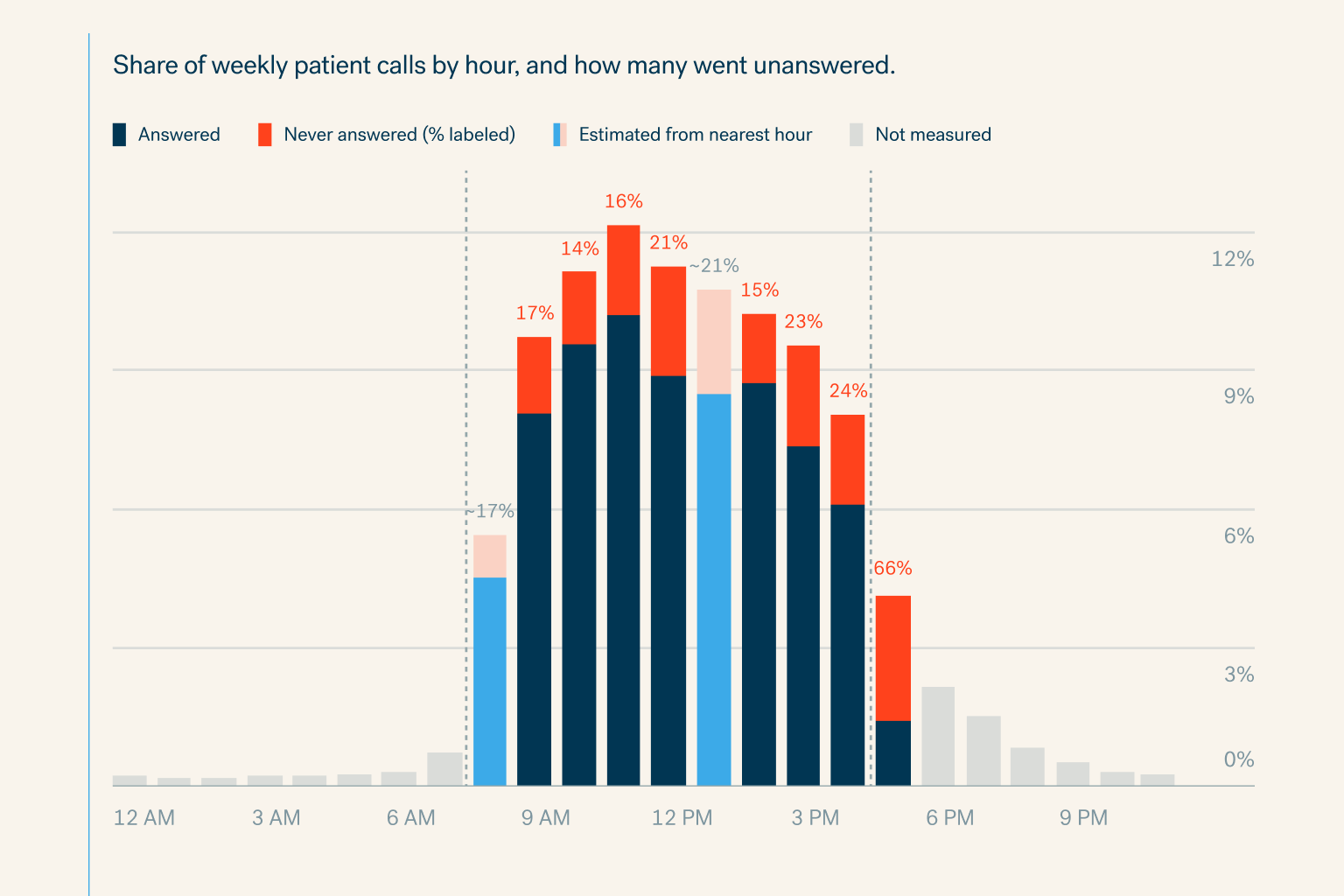
Specialty practices miss 18% of patient calls in office hours and 81% after hours. See the cost per physician and how voice AI books every call.
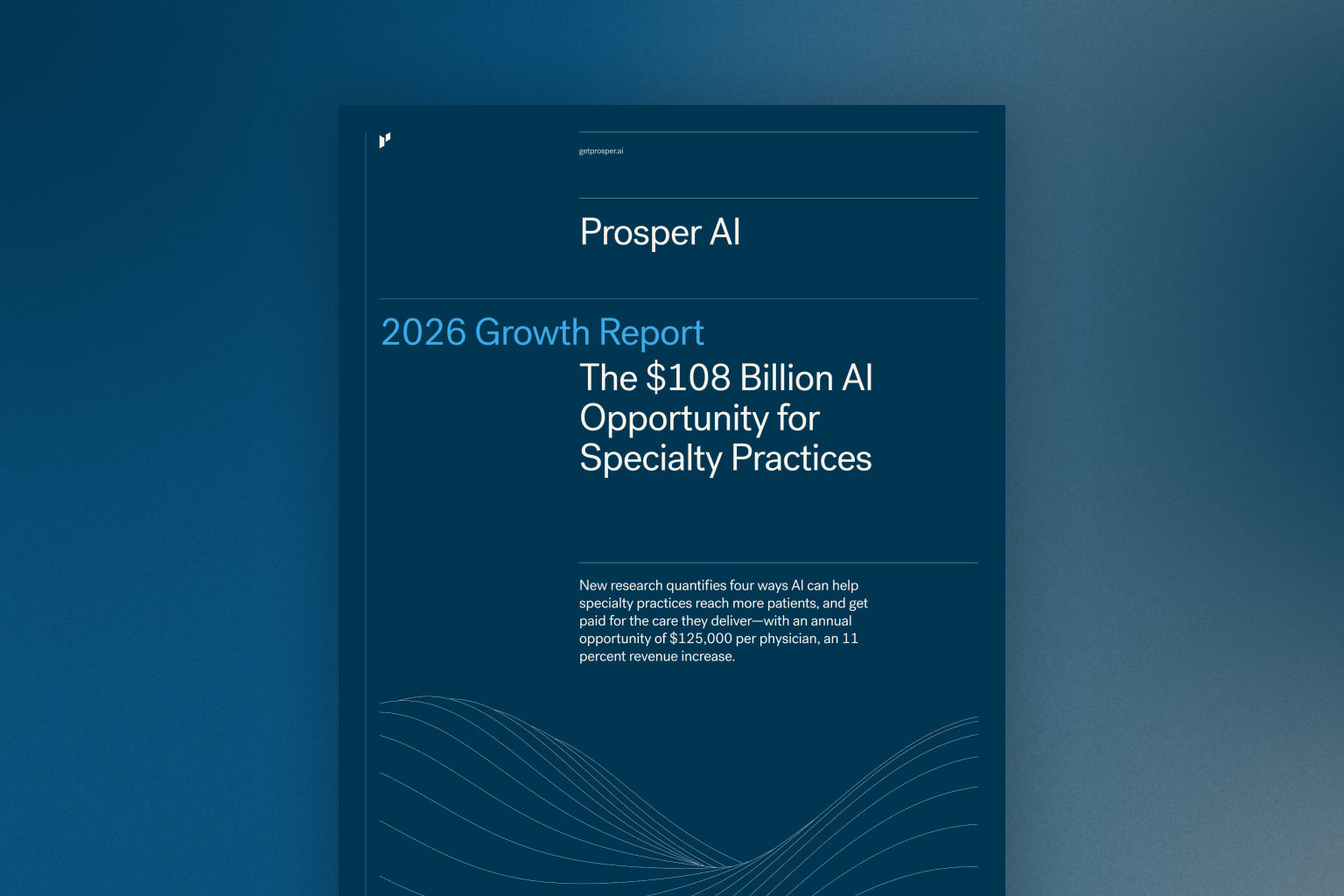
New research quantifies four ways AI can help specialty practices reach more patients, and get paid for the care they deliver—with an annual opportuni


