




Patient Recall for Specialty Practices: How to Bring Back the 46% Who Miss Their Follow-Up
Only 54% of follow-up patients return on schedule. See what late and lost patients are worth per physician and how voice AI brings them back.
Missed appointments, or “no shows,” are more than just a scheduling headache. They disrupt patient care, waste valuable resources, and cost the U.S. healthcare system an estimated $150 billion every year. For any practice, finding effective ways to reduce no shows is critical for both patient outcomes and financial stability.
The good news is that this is a solvable problem. A combination of smart communication, flexible scheduling, and clear policies can dramatically improve attendance. In fact, many clinics that implement a comprehensive strategy have successfully cut their no show rates by up to 70%.
This guide breaks down 27 proven strategies to help you reduce no shows, keep your schedule full, and ensure your patients get the continuous care they need.
At its core, a missed appointment often signals a breakdown in communication or engagement. Building a stronger connection with patients is the first step to reduce no shows.
When patients feel a personal connection to their provider and the practice, they are far more likely to show up. A strong patient provider relationship builds trust and a sense of accountability. Patients who feel known and cared for are less likely to skip a visit because they don’t want to waste the time of a provider they respect. This can be as simple as a warm greeting or as involved as ensuring continuity of care with the same provider over time.
Never assume patients fully understand why a follow up is necessary. A lack of effective provider communication is linked to over 31% of patient no shows. Take a moment to explain the “why” behind the next visit. For example, say “It’s important you come back in two weeks so we can check if this new medication is working correctly.” When patients see the direct link between the appointment and their health goals, they are more motivated to attend.
For patients who repeatedly miss appointments, a different approach may be needed. Motivational interviewing is a counseling technique where you guide patients to find their own reasons for adhering to care. Instead of lecturing, you ask open ended questions to help them connect appointment attendance with their personal health goals. This is especially effective for patients who seem hesitant or ambivalent about their treatment plan.
Are you reaching patients in the way they prefer? Sending an English email reminder to a patient who only speaks Spanish and primarily uses text messages is ineffective. A staggering 97% of studies confirm that patient reminders significantly improve attendance, so making them count is crucial. Ask patients for their preferred language and contact method (text, email, or phone call) and record it. With 67% of patients preferring reminders via text, tailoring your outreach is a simple way to increase engagement.
Forgetfulness is a major culprit behind missed appointments, accounting for roughly 33% of no shows. A robust reminder and recall system is non negotiable if you want to reduce no shows.
Automated appointment reminders are one of the most effective tools available. An industry poll found that 88% of healthcare organizations already use them. On average, reminders lead to a 34% relative reduction in missed appointments compared to sending no reminder at all. These systems combat simple forgetfulness and give patients an easy way to confirm or cancel.
Don’t rely on a single channel. A multi channel reminder strategy uses a combination of text, email, and phone calls to ensure your message gets through. Since 86% of people don’t answer calls from unknown numbers, a phone call alone might not be enough. However, a study found that patients receiving reminders through multiple channels were 30% less likely to miss their appointments. To keep your outreach compliant, see HIPAA‑compliant appointment reminders.
When a patient misses an appointment, your work isn’t done. Patients who no show are 70% more likely to not return within 18 months if they aren’t re engaged. A prompt, friendly follow up call or text shows you care and makes it easy to reschedule. A simple message like, “We missed you at your appointment today. Is everything okay? We’d be happy to help you reschedule,” can prevent a one time no show from turning into a lost patient. Automating this process with tools like AI voice agents ensures no one slips through the cracks. To see how technology can streamline this, you can learn more about AI driven patient outreach.
Patient recall automation uses technology to identify and contact patients who are due or overdue for care. This is crucial for filling the schedule and ensuring continuity of care. One clinic that implemented an automated recall system saw its no show rate fall from 26% to just 8.5%. These systems can automatically call or text patients to get them back on the schedule, freeing up staff for other tasks.
While digital reminders are more effective, the classic physical reminder card still has its place. Handing a patient a card with their next appointment written on it at checkout provides a tangible reminder they can stick on their fridge. While one study showed postcards didn’t significantly impact show rates on their own, they are a low cost tool that can be used alongside a multi channel strategy.
Often, patients don’t show up because the appointment slot is genuinely inconvenient. Making your schedule more patient friendly is a powerful way to reduce no shows.
Long waits are a major source of patient frustration. This includes both the time it takes to get an appointment and the time spent in the waiting room.
One way to shorten appointment lead times is to add capacity. This could mean hiring more providers, but it can also mean being smarter with your existing resources. Offering extended office hours (early mornings, evenings, or weekends) makes it easier for patients to find a time that doesn’t conflict with work or family obligations. A survey found that 71% of patients believe offering more same day or next day appointments would help prevent no shows and cancellations. For after‑hours demand without added strain on staff, see our healthcare call center automation guide.
An open access or walk in scheduling model can dramatically reduce no shows. When patients can be seen the day they call or decide they need care, there’s almost no time for them to forget or have a conflict arise. Studies have shown that moving to an open access model leads to a significant decrease in no show rates, with one clinic seeing a drop from 42% to 27%.
Telehealth removes many common barriers to care, like transportation, childcare, and time off work. It’s no surprise that telehealth appointments often have significantly lower no show rates. One psychiatry clinic, for instance, reported a 50% reduction in no shows after adding virtual visit options. Furthermore, 56% of patients say they would be open to a telehealth visit if an in person option wasn’t available, meaning you can convert a potential cancellation into a completed appointment.
Before a patient leaves, schedule their next visit. This simple step captures their commitment while the importance of follow up care is still fresh in their mind. Dental practices that aim to reschedule 80 to 90% of patients before they leave see much higher compliance with preventive care visits. It eliminates the risk of the patient forgetting to call back and book later.
Instead of guessing, ask patients what times work best for them. Allowing patients to select their preferred appointment time has been shown to improve attendance by 14 to 31%. You can gather this information through surveys or simply by asking at check in. This data can also help you optimize your schedule template to match patient demand.
Efficient internal processes make it easier for both patients and staff to manage appointments, which helps to reduce no shows.
A long and complicated check in process can frustrate patients and contribute to long wait times. Streamlining admissions with digital pre registration or check in kiosks makes the experience smoother. Digital check in tools can save patients up to 16 minutes in the waiting room, creating a better first impression and reducing a key deterrent to future visits. If you’re connecting reminders and scheduling to your core systems, explore our EHR/PM integrations.
If cancelling is a hassle, patients might just not show up instead. Provide multiple, easy ways for patients to cancel or reschedule, such as replying to a text, using an online portal, or calling an automated line. A remarkable 75% of patients said they would be more likely to show up if they could easily reschedule online. Making the process painless encourages communication, which turns a no show into a cancellation you can fill.
For larger practices or health systems, centralized scheduling handles all appointment booking through a single, coordinated team or system. This standardizes processes for reminders and follow ups, ensuring fewer patients fall through the cracks. It also allows schedulers to optimize the entire network, filling last minute openings and reducing wait times. Modern AI voice agents can support this model by handling high call volumes for multiple clinics at once with zero hold time, ensuring a consistent and efficient patient experience. Explore our AI appointment scheduling guide.
Overbooking involves scheduling slightly more patients than you can see, based on your historical no show rate. It’s a calculated strategy to minimize wasted provider time. While it carries the risk of longer wait times if everyone shows up, predictive overbooking based on data can improve appointment utilization by 15 to 30%. A less risky alternative is maintaining a waitlist to quickly fill last minute cancellations.
When a patient is referred to a specialist, close collaboration between the referring provider and the specialist’s office is key. The referring office can help schedule the appointment and emphasize its importance. This “warm handoff” creates accountability and prevents patients from getting lost during the transition of care.
Well communicated policies and thoughtful incentives can powerfully shape patient behavior and help reduce no shows.
A formal no show policy sets expectations for patients. It should define what constitutes a no show or late cancellation and outline the consequences, such as a fee or, after repeated offenses, potential dismissal from the practice. Simply having a policy that patients acknowledge can reduce missed appointments by 15 to 27%.
Your policy should include a reasonable cancellation window, typically 24 or 48 hours. This gives your office enough time to fill the empty slot. A fair and well communicated window encourages patients to provide advance notice. Be wary of overly strict policies; one survey found 68% of patients have no showed simply because they were afraid of being charged a fee for a late cancellation.
Charging a nominal fee for no shows or late cancellations can be an effective deterrent. Studies show that small fees (around $10 to $25) can lead to a 14 to 35% drop in no shows. However, this approach can backfire if not handled with care, as 52% of patients feel such fees are unfair. Success often depends on clear communication and flexibility for emergencies or first time offenses.
For certain high demand appointments, requiring a deposit or full prepayment can dramatically reduce no shows. When patients have a financial stake in the appointment, they are far more motivated to attend. Businesses that implement deposits often see a 40 to 60% reduction in no shows. This strategy works best for elective procedures or specialty consults and should include a clear refund policy for timely cancellations.
Instead of penalizing no shows, consider rewarding show ups. Contingency management incentives offer a small reward, like a gift card or entry into a raffle, for attending appointments. This positive reinforcement has been shown to improve attendance by 18 to 39% in certain patient populations.
Finally, it’s crucial to recognize and address the non medical factors that prevent patients from keeping appointments. These can include lack of transportation, childcare needs, or financial constraints. Offering solutions like transit vouchers or flexible payment options can make a huge difference. For example, providing transportation assistance has been shown to decrease no shows by 25 to 44% for at risk populations.
There is no single magic bullet to reduce no shows. The most effective approach combines multiple strategies tailored to your practice and patient population. By focusing on clear communication, convenient scheduling, and patient centered policies, you can create an environment where patients are empowered and motivated to attend their appointments.
Implementing these changes may seem daunting, but modern technology can help. AI powered solutions like Prosper AI can automate everything from multi channel reminders and no show follow ups to 24/7 patient scheduling, freeing your staff to focus on providing excellent care. Ready to pilot these workflows? Get started with Prosper AI.
Ultimately, every appointment you save is a victory for your patient’s health and your practice’s stability.
1. What is the single most effective way to reduce no shows?
While every practice is different, sending automated, multi channel appointment reminders (text, email, and phone) is consistently one of the most effective and easiest strategies to implement. Reminders directly combat forgetfulness, which is a leading cause of missed appointments.
2. Do no show fees actually work?
Yes, when implemented carefully. Studies show that small, consistently applied fees can reduce no shows by 15% or more. However, they can also alienate patients. The key is to communicate the policy clearly upfront and to be flexible in cases of genuine emergencies.
3. How can technology help reduce no shows?
Technology, especially AI voice agents, can automate many of the most effective strategies. This includes sending personalized reminders, following up with patients who no showed to reschedule them, offering 24/7 self service scheduling, and managing automated recall campaigns to bring overdue patients back for care.
4. What is a good no show rate for a medical practice?
While it varies by specialty, a typical no show rate for many medical practices is between 5% and 10%. Anything higher suggests there are significant opportunities for improvement using the strategies outlined in this guide.
5. How do you handle a patient who repeatedly misses appointments?
For chronic no show patients, a multi step approach is best. Start with a direct, empathetic conversation using motivational interviewing to understand their barriers. Then, implement stricter policies like requiring a deposit for future appointments. Finally, if the behavior continues despite these efforts, a clear policy may require dismissing the patient from the practice.
6. Why is it so important to reduce no shows in healthcare?
Reducing no shows is vital for three main reasons: it improves patient health outcomes by ensuring continuity of care, it increases practice revenue and efficiency by preventing wasted provider time, and it improves access for other patients who need to be seen.
Discover how healthcare teams are transforming patient access with Prosper.
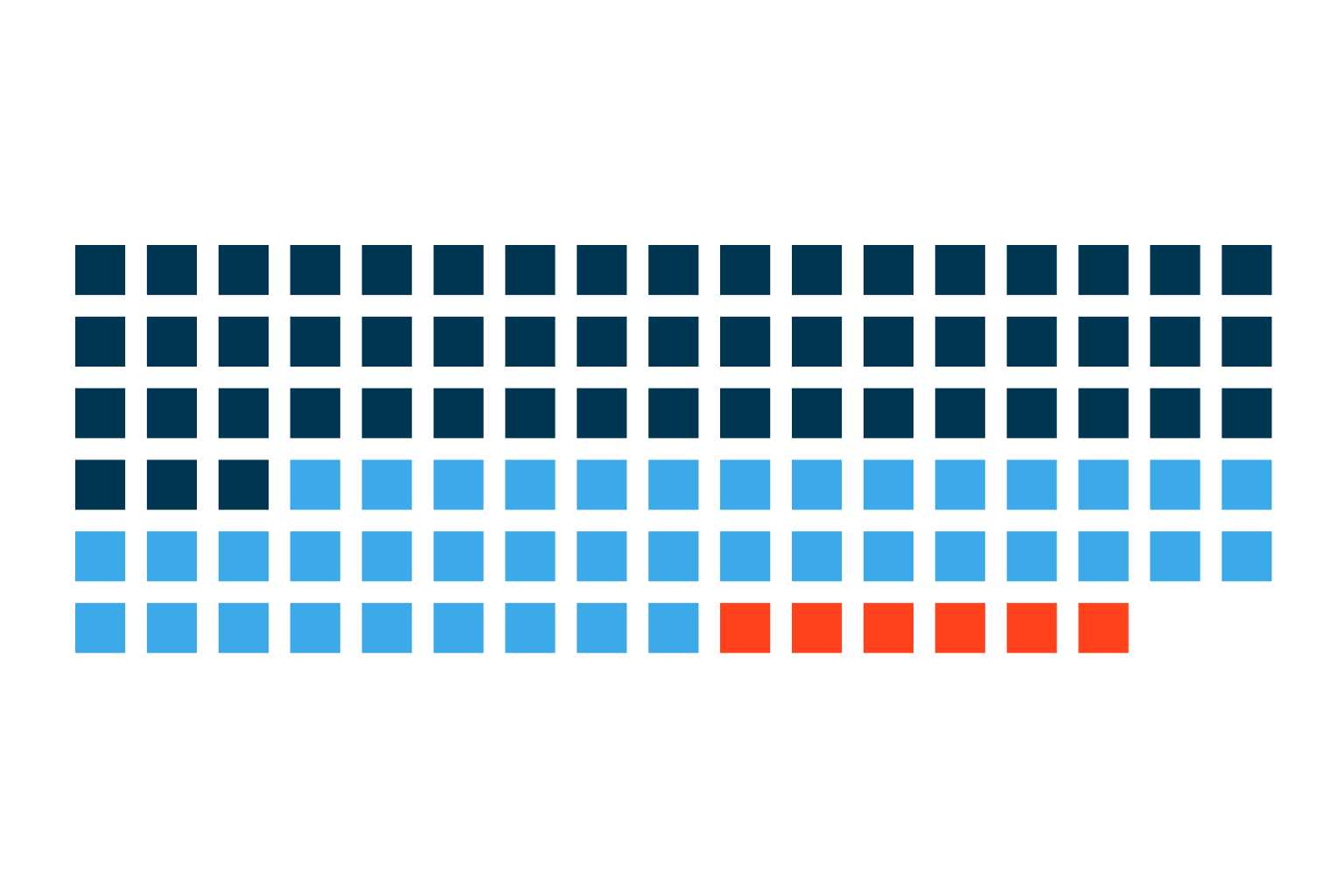
Only 54% of follow-up patients return on schedule. See what late and lost patients are worth per physician and how voice AI brings them back.
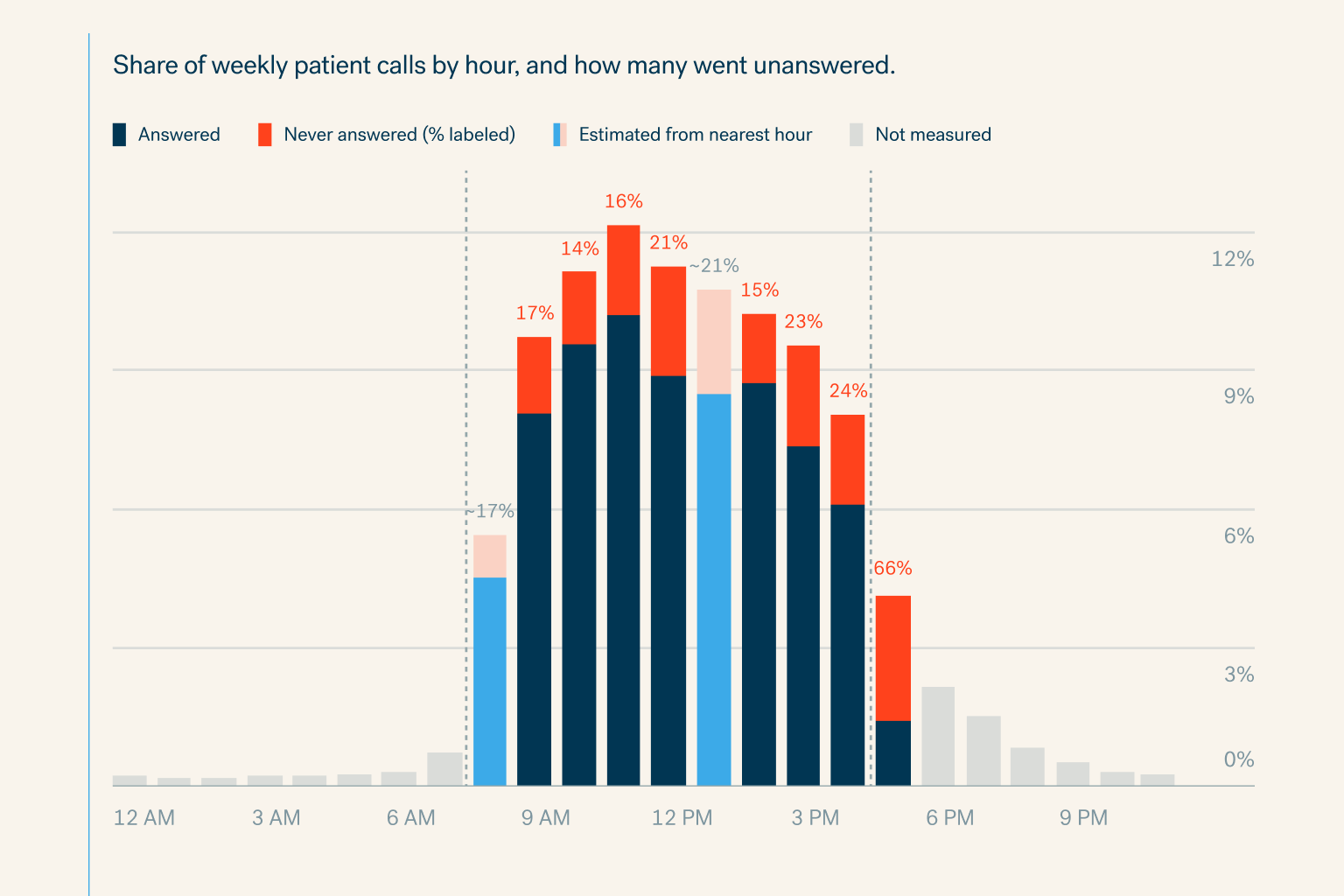
Specialty practices miss 18% of patient calls in office hours and 81% after hours. See the cost per physician and how voice AI books every call.
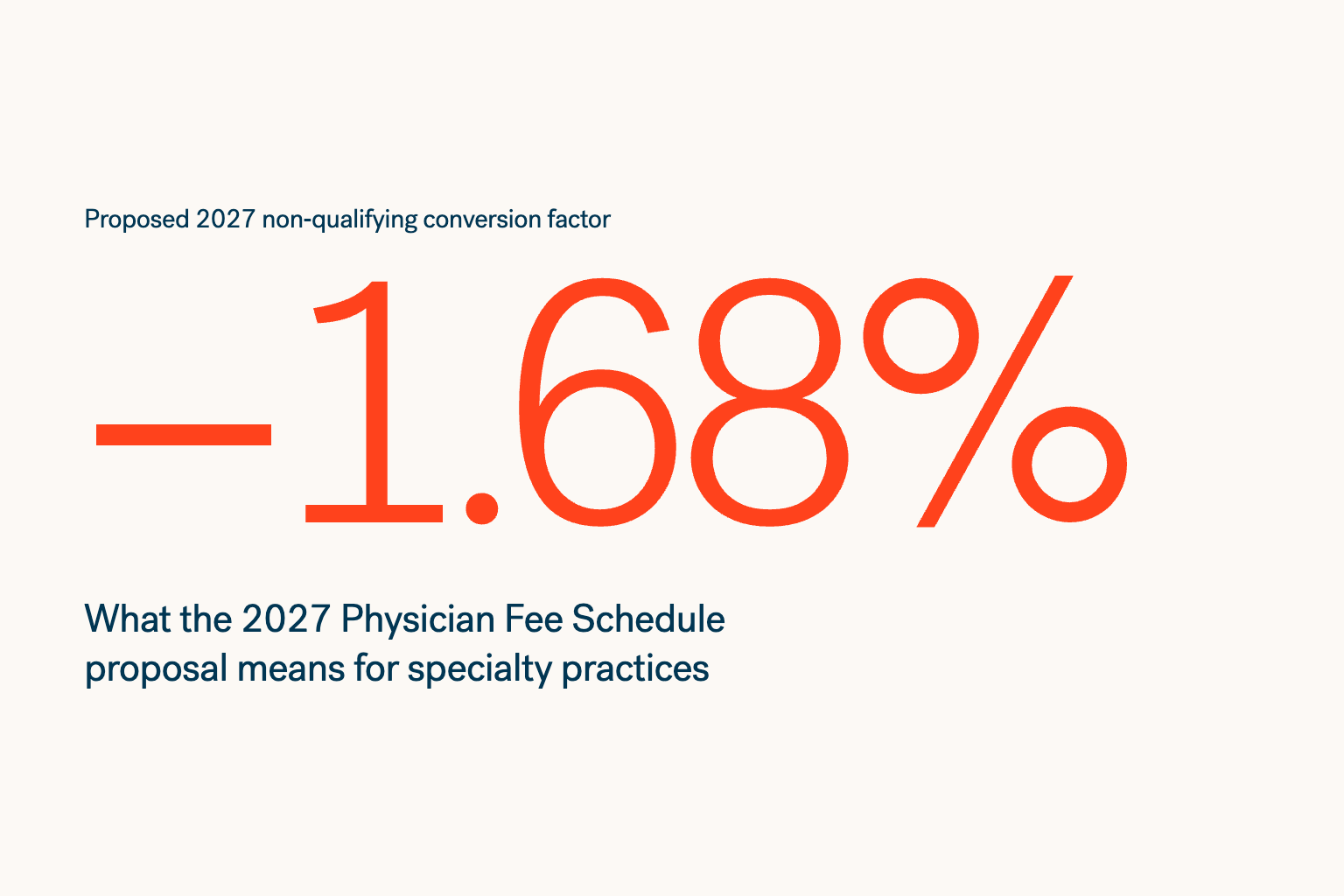
CMS proposes 2027 Medicare conversion factors down 1.19% to 1.68%. See the impact on specialty practices and the revenue levers you still control.


