




AI Voice-Enabled Patient Engagement: What Specialty Practices Should Expect in 2026
AI voice-enabled patient engagement now covers scheduling, benefits verification, prior auth, and billing calls in one system. See what to evaluate be

Medical appointment scheduling is the set of processes that help patients find and book the right visit at the right time with the right clinician. It spans phone calls, online self scheduling, reminders, rescheduling, and day of visit workflows. Done well, medical appointment scheduling shortens time to care, reduces no shows, and lifts patient satisfaction. Done poorly, it fuels long hold times, abandoned calls, and empty slots that hurt revenue and access.
A smooth medical appointment scheduling process directly affects access and experience.
Time to first appointment is a top driver of patient choice. The average wait time for a new patient appointment has reached about 31 days in large metro areas, according to a May 2025 AMN Healthcare survey summarized by MGMA. (mgma.com)
Long waits on the phone are common in public programs and create equity concerns. CMS flagged state Medicaid call centers with average waits of 25 minutes and hang up rates near 29 percent during eligibility redeterminations. (pbs.org)
Shorter in clinic waits improve experience scores. Waiting more than 15 minutes independently predicts lower satisfaction on Press Ganey surveys in outpatient orthopedics. (pmc.ncbi.nlm.nih.gov)
Digital access matters. In 2024 and 2025 consumer studies, about 80 percent of patients said the ability to schedule appointments online or from a mobile device is important, and many will look elsewhere if booking is not easy. (pressganey.com)
Online scheduling can influence provider choice. Press Ganey reports four in five consumers say online scheduling affects which provider they choose, and roughly half will tolerate only one to three weeks for primary care. (pressganey.com)
Practical takeaways for medical appointment scheduling
Offer self scheduling for common visit types, with clear guardrails for complex cases. Patients want anytime booking and providers benefit when routine visits are handled without phone traffic. (experianplc.com)
Centralize scheduling playbooks. Standard templates with rules for new, established, and procedure visits reduce overbooking and last minute gaps.
Add AI supported phone coverage for patients who prefer to call, especially after hours. A voice agent can answer immediately, route correctly, and book within your EHR scheduling rules via EHR & PM integrations. See how Prosper AI approaches this for health systems and group practices.
Getting slot length right is one of the quiet superpowers in medical appointment scheduling. Too short, visits feel rushed and spill over. Too long, calendars develop empty space and access suffers.
What data says about time
The average primary care exam length is about 18 minutes based on time stamped EHR data from more than 21 million visits. Short 10 or 15 minute slots were more likely to run over than 20 or 30 minute slots. (urban.org)
Longer perceived time with the provider and being seen within 15 minutes correlate with higher satisfaction scores in clinic studies. (pmc.ncbi.nlm.nih.gov)
Across decades, US primary care visits increased from roughly 18 minutes to about 23 minutes as visit complexity grew, which suggests slot design should evolve with case mix. (pubmed.ncbi.nlm.nih.gov)
Research summarizing millions of visits notes patients and physicians both link adequate visit length to better experience and decision quality. (jamanetwork.com)
Practical ways to align slot length
Match slot duration to visit type and patient factors, for example new patient, multiple chronic conditions, interpreter need, or procedures.
Use data from your EHR on overrun rates to adjust templates monthly.
Build quick add on micro slots for nurse visits and results discussions to protect physician time.
Combine right sized slots with proactive reminders to lift on time arrivals and reduce idle gaps.
If your team is drowning in phone scheduling while trying to balance slot length, an AI voice agent can take first pass scheduling, collect needed details, and document outcomes in your systems. Explore AI voice agent use cases for patient scheduling from Prosper AI.
HCAHPS is the national, standardized, publicly reported survey of patients’ perspectives of hospital care. It launched for implementation in October 2006 and first public reporting in March 2008, and CMS publishes results quarterly on Care Compare. (cms.gov)
Why this matters to medical appointment scheduling
HCAHPS domains include communication with nurses and doctors, responsiveness of hospital staff, discharge information, and global ratings. Improvements in access and timeliness upstream can influence how patients perceive responsiveness and overall care. (cms.gov)
HCAHPS was incorporated into Hospital Value Based Purchasing that began adjusting inpatient payments in fiscal year 2013, with the withhold starting at 1 percent and rising to 2 percent by 2017. Better experience can affect reimbursement, which gives leaders a reason to address access bottlenecks that start at scheduling. (cms.gov)
For ambulatory settings, many groups use CAHPS Clinician and Group Survey to measure access, timeliness, and communication. These instruments explicitly support improvement work and can be configured for phone, in person, and video visits. (ahrq.gov)
How to turn survey feedback into scheduling fixes
Read free text comments for friction points like call hold times, voicemail loops, and rescheduling delays, then redesign call flows.
Track time to third next available appointment along with abandonment rate and first call resolution on the phone.
Close the loop with visible changes, for example extended hours for certain visit types, or a callback promise if hold queues exceed a threshold.
If you need always on coverage to contain calls and shrink hold times while you redesign workflows, consider AI voice agents that integrate with Epic, athena, Cerner, and more. Prosper AI provides HIPAA‑compliant AI voice assistants and analytics to help teams act on what patient feedback surfaces.
Building on the points just discussed, this section highlights six complementary tools and tactics that streamline the appointment journey end to end, from AI voice agents and self-scheduling to automated workflows, waitlists, proactive booking, and no-show controls. They’re grouped together because, used in concert, they address every common bottleneck: capturing patient intent, reducing friction, filling last-minute gaps, and protecting provider time. Use this quick overview to decide which combination best matches your practice size, staffing, and patient preferences.
Prosper AI brings always‑on phone scheduling to life with trained voice agents that book, reschedule, and cancel directly in your EHR/PM, with no holds, no voicemails, just fast access. It mirrors your rules and templates, captures intake and insurance (benefits verification), and follows through with confirmations, reminders, and waitlist backfills so more patients make it to the right visit, on time.
Practices report 0‑second hold time, an 89% drop in abandonment, and up to 30% fewer no‑shows.
Why it stands out
24/7 coverage with warm‑transfer for exceptions and overflow
Voice + optional online booking that honors provider/visit rules
Automated reminders and smart waitlists to backfill cancellations
Specialty workflows (e.g., prep, eligibility, locations) and robust analytics
Best fit
Health systems, multi‑specialty groups, DSOs, and call‑center‑heavy ops needing after‑hours coverage and spike handling
Strong in OB/GYN, dermatology, ophthalmology, orthopedics, urology, GI, and dental networks
Integrations, security, and impact
80+ EHR/PMs (Epic, athenahealth, eClinicalWorks, NextGen, MEDITECH, Kareo, AdvancedMD, ModMed, Nextech), API/SFTP, Availity
Cloud or on‑prem; HIPAA, SOC 2 Type II
Live in 1 to 2 days (files) or ~3 weeks (full); 50%+ call containment; usage‑based pricing and demos available
Relatient Dash makes self‑service the default. Patients book, change, or cancel from web or mobile anytime, while phone calls after hours are answered by an AI agent that handles routine tasks and smart‑routes the rest. Rules and templates safeguard provider preferences, visit lengths, and triage so access improves without chaos.

Voice AI answers 62% of calls, routes 72% of those, and customers report up to 50% fewer no‑shows.
Why it stands out
True self‑scheduling across web, mobile, and phone
Automated reminders plus smart waitlists that instantly backfill cancellations
Specialty workflows to surface capacity gaps and speed time‑to‑appointment
Best fit
Multi‑location groups, MSOs/PPMs, and health systems with high call volumes and after‑hours demand
Strong for orthopedics, dermatology, cardiology, OB/GYN, GI, ophthalmology, and primary care
Integrations, security, and impact
Epic, Oracle Health/Cerner, athenahealth, NextGen, eClinicalWorks, ModMed (bidirectional)
Secure cloud/SaaS; HIPAA, SOC 2 Type 2, HITRUST
Typical go‑live ~90 days; 8% abandonment drop; custom pricing
Dash by Relatient knits automation throughout the journey. Patients self‑serve online, rules keep templates tight, and AI voice handles routine calls while routing complex ones to staff. The result is shorter waits, fewer abandons, and calendars that fill themselves when cancellations happen.
A large orthopedics group saw 54% call deflection and an 8% drop in abandonment.
Why it stands out
24/7 online scheduling governed by visit and provider rules
Automated reminders, confirmations, and high‑yield backfills
Voice AI that answers ~62% of inbound calls; 50%+ automated reschedules/cancellations
Recognized performance (Best in KLAS 2024)
Best fit
Health systems, multi‑specialty groups, large practices, and FQHCs with after‑hours coverage needs
Strong in orthopedics, cardiology, primary care, OB/GYN, ophthalmology, dermatology
Integrations, security, and impact
Epic, Oracle Health, athenahealth, NextGen, eClinicalWorks, Greenway, Veradigm, ModMed, MEDITECH, AdvancedMD
HIPAA‑compliant SaaS; SOC 2 Type 2; HITRUST i1
40 to 50% fewer no‑shows; ~8% abandonment drop; open APIs; pricing by demo
A smart, rules‑driven waitlist quietly patrols for cancellations and released capacity, then offers openings to the right patients via two‑way SMS, email, portal, or AI voice, day or night. Patients confirm with a tap; the first to accept is instantly scheduled with EHR updates, so idle slots evaporate.
Backfills happen in minutes, driving lower abandonment and fewer no‑shows across clinics and service lines.
Why it stands out
Opt‑in at booking, preference capture, and one‑tap confirmation
Guardrails honor visit types, provider templates, and eligibility rules
Automated reminders keep newly filled slots on track
Best fit
Health systems, multi‑specialty groups, DSOs, and high‑volume call centers needing after‑hours backfill
Strong for Primary Care, OB/GYN, Dermatology, GI, Orthopedics, Ophthalmology
Integrations, security, and impact
Epic, Oracle Health, athenahealth, NextGen, eClinicalWorks, Veradigm via FHIR (Appointment/Schedule/Slot) and HL7 v2 (SIU/ADT); SSO
HIPAA‑compliant cloud; SOC 2 Type II; encryption, audit logs, consent tracking, BAAs
Pilots in 2 to 8 weeks; faster days‑to‑next‑available and measurable ROI
Don’t wait for patients to remember. Book the next visit before they leave and automate the rest. This proactive approach locks in follow‑ups, annuals, and care series, then runs recall campaigns with self‑service rescheduling and after‑hours IVR/AI to keep calendars full and patients on plan.

Typical results: 25 to 60% containment, 15 to 40% fewer abandoned calls, and 10 to 30% no‑show reductions.
Why it stands out
At‑checkout booking plus automated recall and re‑engagement
Rules for provider continuity, visit length, authorization, modality, and location
Smart reminders, waitlists, and real‑time backfill
Best fit
Health systems, multi‑specialty groups, DSOs, and call‑center‑heavy ops with large recall workloads
Strong in OB/GYN, GI, dermatology, orthopedics, urology, ophthalmology
Integrations, security, and impact
Epic Cadence, Oracle Health/Cerner Scheduling, athenaOne, NextGen, eClinicalWorks, Veradigm; Dentrix, Eaglesoft, Open Dental
HL7 v2 and FHIR; EHR‑native, cloud SaaS, or on‑prem
HIPAA (BAA), SOC 2/HITRUST; 2 to 8‑week go‑live; pilots and custom pricing
Turn attendance data into action. Real‑time trends flag late, cancel, and no‑show risk; automated outreach via two‑way SMS/email, IVR, or AI voice prompts patients to confirm, cancel, or reschedule themselves. Templates, rules, and waitlists update in step so high‑risk hours are buffered and empty slots don’t linger.
Reported impact: 10 to 30% fewer no‑shows, 15 to 35% lower abandonment, and a 3 to 8‑point utilization lift.
Why it stands out
Predictive flags that trigger targeted outreach and self‑service links
Risk‑adjusted overbooking and smarter waitlists to preserve access
Procedure‑ and specialty‑aware reminders that actually change behavior
Best fit
Health systems, multi‑specialty groups, FQHCs, DSOs, imaging/therapy networks handling 50 to 2,000+ daily appointments
Strong for behavioral health, OB/GYN, GI/endoscopy, dermatology, orthopedics, ophthalmology
Integrations, security, and impact
Epic, Oracle Health, athenahealth, NextGen, eClinicalWorks, Veradigm, Greenway; Dentrix, Open Dental; telephony with Twilio/Five9/NICE/Genesys
Cloud‑hosted; HIPAA BAA, SOC 2, often HITRUST; SSO
4 to 8‑week go‑live; SaaS pricing with demos/pilots to validate ROI
Medical appointment scheduling is the real front door to care. The data is clear. Patients will choose providers who offer fast access and convenient booking, and satisfaction drops when waits exceed about 15 minutes. Online self scheduling influences provider choice and texting reminders reduce no shows. Align slot length to clinical need, use CAHPS and HCAHPS feedback to spot friction, and measure both digital and phone channel performance to keep access moving. If your phones are the bottleneck, AI voice agents can absorb routine volume, reduce abandonment, and free staff for exceptions. To see how healthcare trained voice agents schedule, verify insurance, and document back to your systems, visit Prosper AI or get started.
Medical appointment scheduling is the set of workflows that help patients select and book visits by phone or online, receive reminders, and reschedule when plans change. It sets time to care and shapes early impressions of quality and responsiveness. Press Ganey reports that online scheduling influences provider choice for about four in five consumers. (pressganey.com)
Start with reminders. Systematic reviews and large pragmatic trials show text reminders lower missed visits, and targeted additional reminders reduce no shows by about 7 to 11 percent depending on specialty. (cochrane.org) Consider adding AI voice agents to handle rescheduling in real time and to follow up after failed texts. See examples from Prosper AI.
Evidence suggests the average primary care exam lasts about 18 minutes, with shorter scheduled slots more likely to run over. Many clinics use 20 or 30 minute templates for new or complex visits and shorter slots for simple follow ups. Track overrun rates and adjust monthly. (urban.org)
HCAHPS is publicly reported and part of Hospital Value Based Purchasing that adjusts inpatient payment. While scheduling happens before a hospital stay, better access and responsiveness can contribute to stronger experience domains. Use CG CAHPS in ambulatory settings to track access directly. (cms.gov)
Meta analyses and trials show that at least one text reminder helps, and a second targeted reminder for high risk visits can further reduce no shows. Balance reminder volume with patient preference and offer easy cancel or reschedule options. (academic.oup.com)
Meet patients where they are. Keep phone access strong while rolling out digital options. CMS has highlighted the risks of long call waits and high abandonment, so measure these closely and add capacity or automation. AI voice agents from Prosper AI can answer immediately, route, and book within your rules. (pbs.org)
Several clinic studies link waits beyond about 15 minutes with lower satisfaction scores. Communicating expected waits and keeping patients occupied can soften the impact when delays are unavoidable. (pmc.ncbi.nlm.nih.gov)
Track time to third next available appointment, fill rate by visit type, no show and late cancel rate, call abandonment, average speed to answer, and first call resolution. Pair these with CAHPS feedback to prioritize fixes. For always on help and analytics, explore Prosper AI.
Discover how healthcare teams are transforming patient access with Prosper.
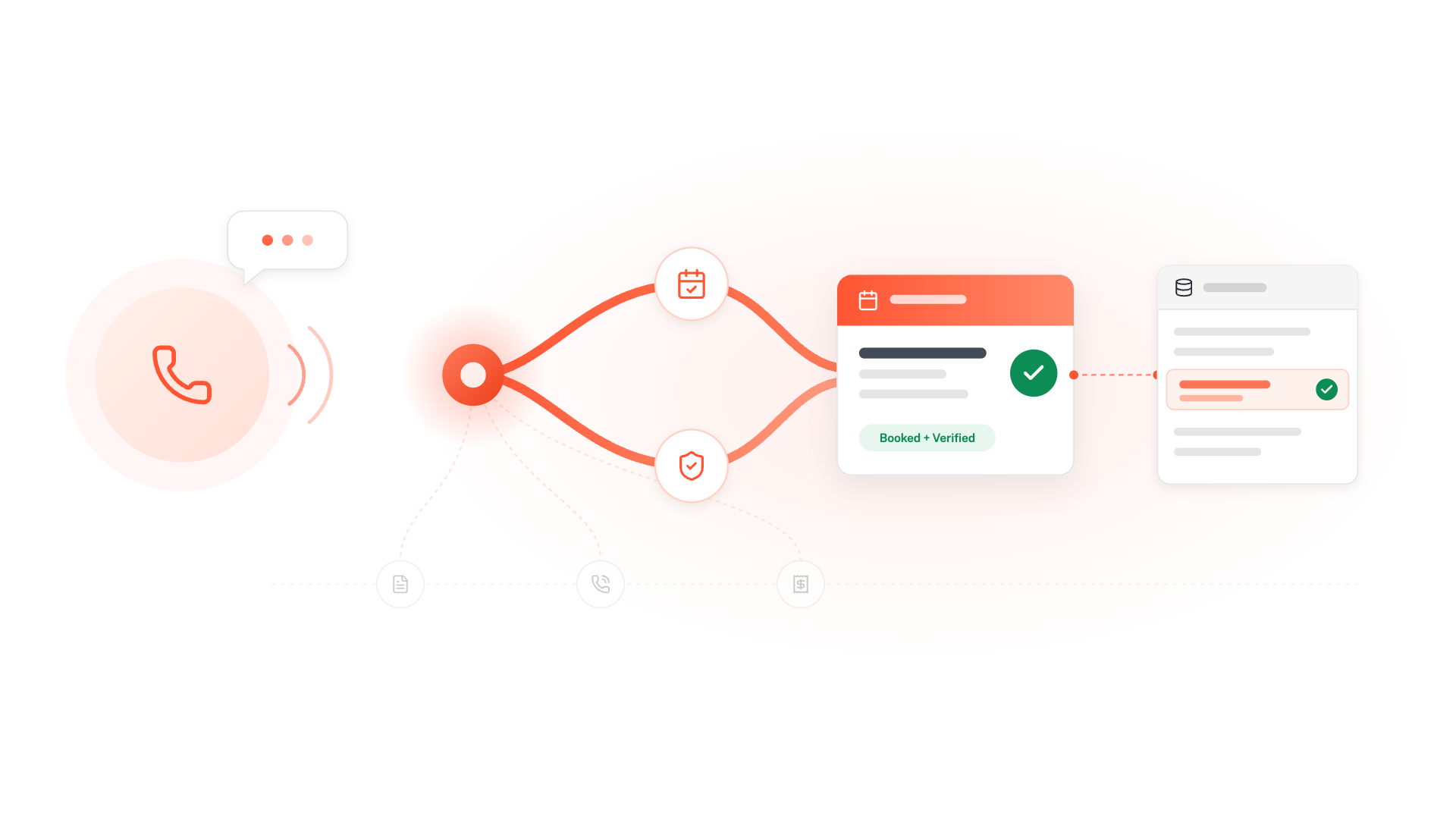
AI voice-enabled patient engagement now covers scheduling, benefits verification, prior auth, and billing calls in one system. See what to evaluate be
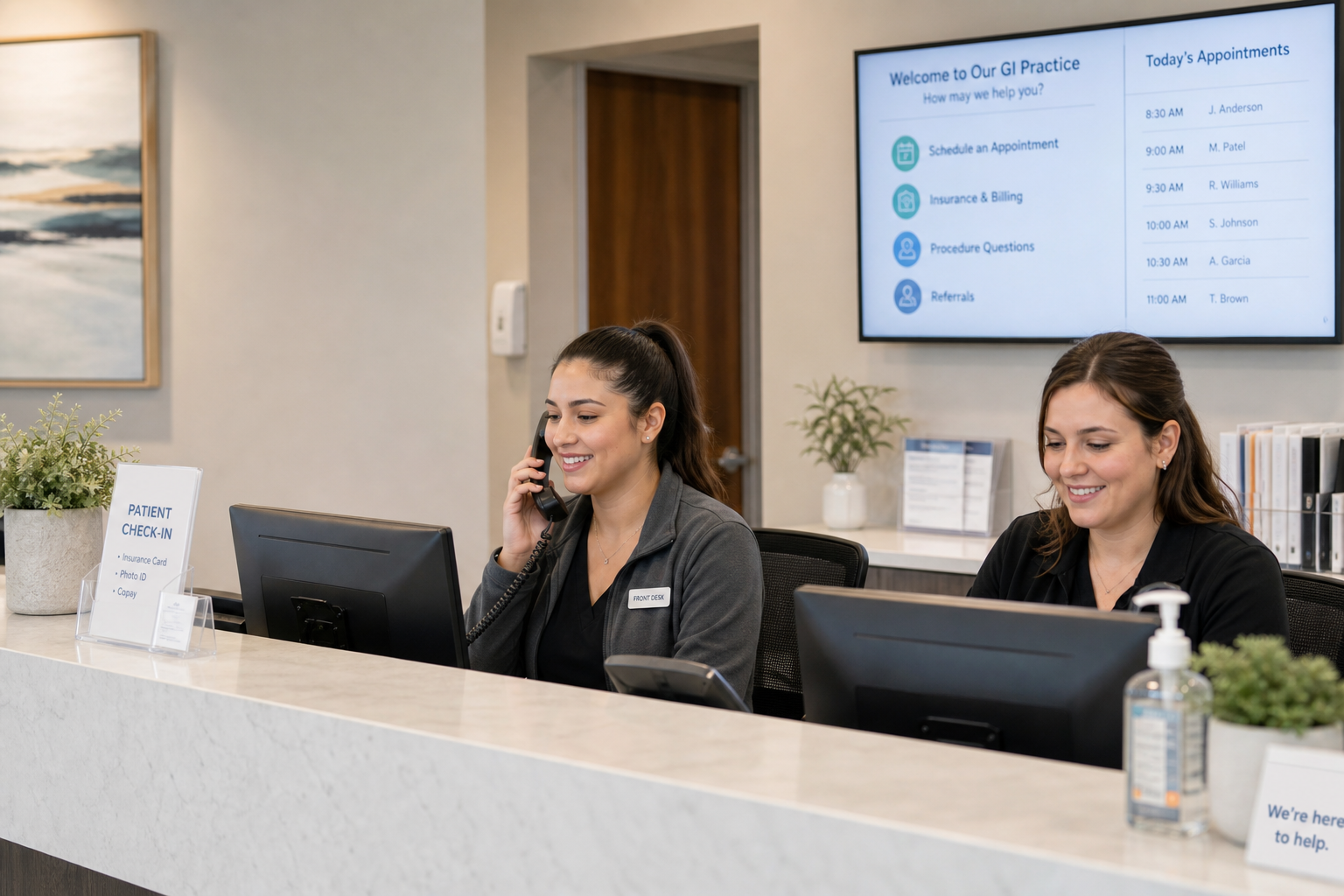
Compare 4 voice AI vendors for GI practices on colonoscopy scheduling, benefits verification, and prior auth calls. See which ones stop at booking.

Compare 5 AI voice agents for ENT and allergy practices. See which handle scheduling and the payer calls for prior auth and benefits checks.


