




Best Voice AI for Gastroenterology Practices: 4 Options Compared (2026)
Compare 4 voice AI vendors for GI practices on colonoscopy scheduling, benefits verification, and prior auth calls. See which ones stop at booking.

Insurance eligibility verification is one of the most critical, yet challenging, parts of healthcare administration. Insurance eligibility verification services are the solutions and processes healthcare providers use to confirm a patient’s coverage details with their insurer before care is delivered. When done right, it’s a seamless process that protects your revenue and keeps patients happy. When overlooked, it can lead to a cascade of costly problems. One analysis found a 500 bed hospital lost a staggering $25 million in a single year from claim denials, with most of those losses traced back to simple eligibility mistakes.
This guide breaks down everything you need to know about insurance eligibility verification services, from the fundamental steps to the technology that’s changing the game.
Think of eligibility verification as the first line of defense for your revenue cycle. It’s the process of confirming a patient’s insurance coverage and benefits with their payer before you provide services. This simple check ensures that the patient’s policy is active and covers the intended treatment, preventing billing surprises for everyone involved. This is the primary goal of professional insurance eligibility verification services.
Skipping this step is a huge financial risk. Approximately 27% of all claim denials are caused by eligibility errors. These denials create expensive rework, waste staff time, and delay payments. On the flip side, medical practices that consistently verify eligibility upfront have been shown to collect 30 to 40% more revenue than those who don’t. It’s a foundational step that protects both your practice and your patients from avoidable financial headaches.
If these insurance eligibility verification services are so important, why do so many practices struggle with them? The process is often bogged down by several key challenges.
First, the sheer volume of data is immense. From patient demographics to ever changing payer policies and plan specifics, there are countless opportunities for errors. A single typo in a policy number can trigger an instant claim denial.
Second, the lack of standardization across payers creates a massive administrative burden. Staff often have to navigate dozens of different payer websites and phone systems, each with its own quirks. This manual process is incredibly time consuming. It’s estimated that checking eligibility manually takes an average of 12 to 13 minutes per patient. For a practice seeing 40 patients a day, that adds up to more than 8 hours of work, an entire staff member’s full day spent just on verifications.
Finally, staff shortages and high turnover in front desk and medical billing teams make it difficult to maintain consistency. Training new team members on the complex rules of multiple insurers is a daunting task, leading to inevitable mistakes that hurt the bottom line.
A structured workflow is key to navigating the complexities of insurance. While the specifics can vary, a thorough process for insurance eligibility verification services generally includes these steps.
It all starts with gathering accurate information when the patient schedules their appointment. This includes the patient’s full name, date of birth, address, and all the details on their insurance card (insurer name, policy ID, group number). Getting this right is non negotiable; even a minor typo can cause a verification to fail and a claim to be denied later on.
This is the core of the process. Your team (or an automated system) contacts the payer to confirm the policy is active for the date of service. But it goes deeper than that. This step also verifies the specific benefits, including:
Covered services and any limitations or exclusions.
The patient’s financial responsibility (copay, deductible status, and coinsurance).
Whether the patient is in network for your practice.
During verification, you must check if the planned service requires prior authorization (PA) or a referral from a primary care physician (PCP). Missing a required PA is one of the top reasons for claim denials, especially for expensive procedures or medications. If PA workload is a bottleneck, explore prior authorization automation. Similarly, if a plan requires a referral to see a specialist, proceeding without one will result in a denied claim. The administrative load for this is significant, with the average practice completing nearly 39 prior authorization requests per physician each week.
Once verification is complete, every detail must be meticulously documented in the patient’s record. This includes the date, the person you spoke with, a reference number for the call, and all the confirmed benefit details. This creates a crucial audit trail. Just as important is communicating this information to the patient. Letting them know their expected copay or deductible upfront creates transparency, which builds trust and dramatically increases the likelihood of prompt payment. In fact, 75% of patients say that understanding their out of pocket costs influences their choice of provider.
The manual methods of the past are no longer sustainable. Today, modern insurance eligibility verification services rely on technology to bring speed, accuracy, and efficiency to the process.
Automated systems can perform eligibility checks without any manual work. Instead of a staff member sitting on hold with an insurer, an AI powered tool can handle the entire process (see how Prosper AI works). This can be done through direct electronic data interchange (EDI) with payers or by using robotic process automation to log into payer portals. The benefits are massive, with automation saving around 14 minutes per verification transaction.
Technology enables real time checks, giving you an instant response on a patient’s coverage status. This allows your team to identify and resolve issues on the spot, such as when a patient’s policy has lapsed. This capability is especially valuable for health systems managing high daily volumes (learn more here).
The best solutions offer EHR integrations that connect directly to your existing Electronic Health Record (EHR) system. This means staff can trigger a verification and see the results without ever leaving the patient’s chart. This seamless data integration eliminates the need for double data entry, which is a common source of errors. When direct EHR integration isn’t possible, some systems can automate interactions with payer portals, ensuring multi-payer coverage support without the manual clicking and typing. For healthcare organizations looking to streamline their operations, solutions from Prosper AI deliver real time eligibility data through deep EHR integrations and AI driven calls, ensuring you get accurate information instantly.
Investing in better insurance eligibility verification services isn’t just about administrative convenience; it delivers powerful financial and operational results. See case studies.
Since eligibility errors cause around 27% of denials, fixing your front end process has a direct impact on your claim denial reduction efforts. Fewer denials mean a higher clean claim rate, which is the percentage of claims paid on the first submission. Top performing practices aim for a clean claim rate of 90% or higher, a target that is much easier to hit with a solid verification system in place.
A higher clean claim rate directly leads to improved reimbursement and cash flow. Clean claims get paid faster, often within a couple of weeks, while denied claims can delay payment for months. Denied claims are also a huge drain on resources, costing anywhere from $25 to over $100 per claim to rework. By preventing denials, you ensure a steadier, more predictable revenue stream and avoid unnecessary administrative costs.
Automating eligibility verification frees your staff from tedious, repetitive tasks. Those hours spent on hold with insurance companies can be reallocated to more valuable, patient focused activities. This not only boosts staff productivity and efficiency but also improves employee morale by allowing team members to focus on more meaningful work. Solutions like the AI voice agents from Prosper AI can handle the entire verification call process, navigating phone menus and speaking with payer reps to get the information you need with 99% accuracy.
To build a world class process using insurance eligibility verification services, focus on these key best practices:
Verify Early and Often: Check eligibility at the time of scheduling and again a day or two before the appointment to catch any last minute changes.
Standardize Your Workflow: Create a consistent, step by step process that your team follows for every single patient.
Leverage Automation: Use modern tools to automate checks, integrate with your EHR, and handle calls to payers.
Be Thorough: Don’t just check for active coverage. Dig into the details of deductibles, copays, out of pocket maximums, and service specific benefits.
Communicate Clearly: Be transparent with patients about their financial responsibility. It builds trust and improves collections.
Document Everything: Keep a detailed record of every verification, including reference numbers and the specifics of the benefits confirmed. This is your proof if a claim is unjustly denied.
Ensure Payer Policy Compliance: Stay updated on the rules and requirements of your top payers to ensure your claims meet their specific criteria.
By adopting these practices, you can transform your eligibility verification from a liability into a strategic asset that strengthens your practice’s financial health.
Ready to see how AI can eliminate the headaches of manual verification? Learn more about Prosper AI’s automated solutions or Get started.
Insurance eligibility verification services are processes and technologies used by healthcare providers to confirm a patient’s insurance coverage, benefits, and financial responsibility with their insurance company before services are rendered. This helps prevent claim denials and ensures timely payment.
It is crucial because it serves as the first defense against claim denials and revenue loss. Proper verification confirms that a patient is covered for a specific service, which helps secure reimbursement, improves cash flow, and provides financial transparency for the patient, reducing surprise bills.
Automation drastically reduces the time and labor required for verification. AI powered tools can check eligibility in seconds via electronic transactions or even make automated phone calls to payers, eliminating staff hold times, reducing human error, and allowing your team to focus on patient care.
A “clean claim” is an insurance claim that is processed and paid on the first submission without any errors or need for rework. Since a large percentage of claim rejections are due to eligibility issues, thorough verification helps ensure all patient and policy information is correct, significantly increasing the clean claim rate.
It is a best practice to verify insurance at two key points: first, when the patient schedules their appointment, and second, 24 to 48 hours before the service date. This two step approach helps catch any changes in coverage that may have occurred between scheduling and the actual visit.
To perform a verification, you typically need the patient’s full name, date of birth, the name of their insurance company, their policy or member ID number, and their group number. Having a copy of the front and back of their insurance card is ideal.
Discover how healthcare teams are transforming patient access with Prosper.
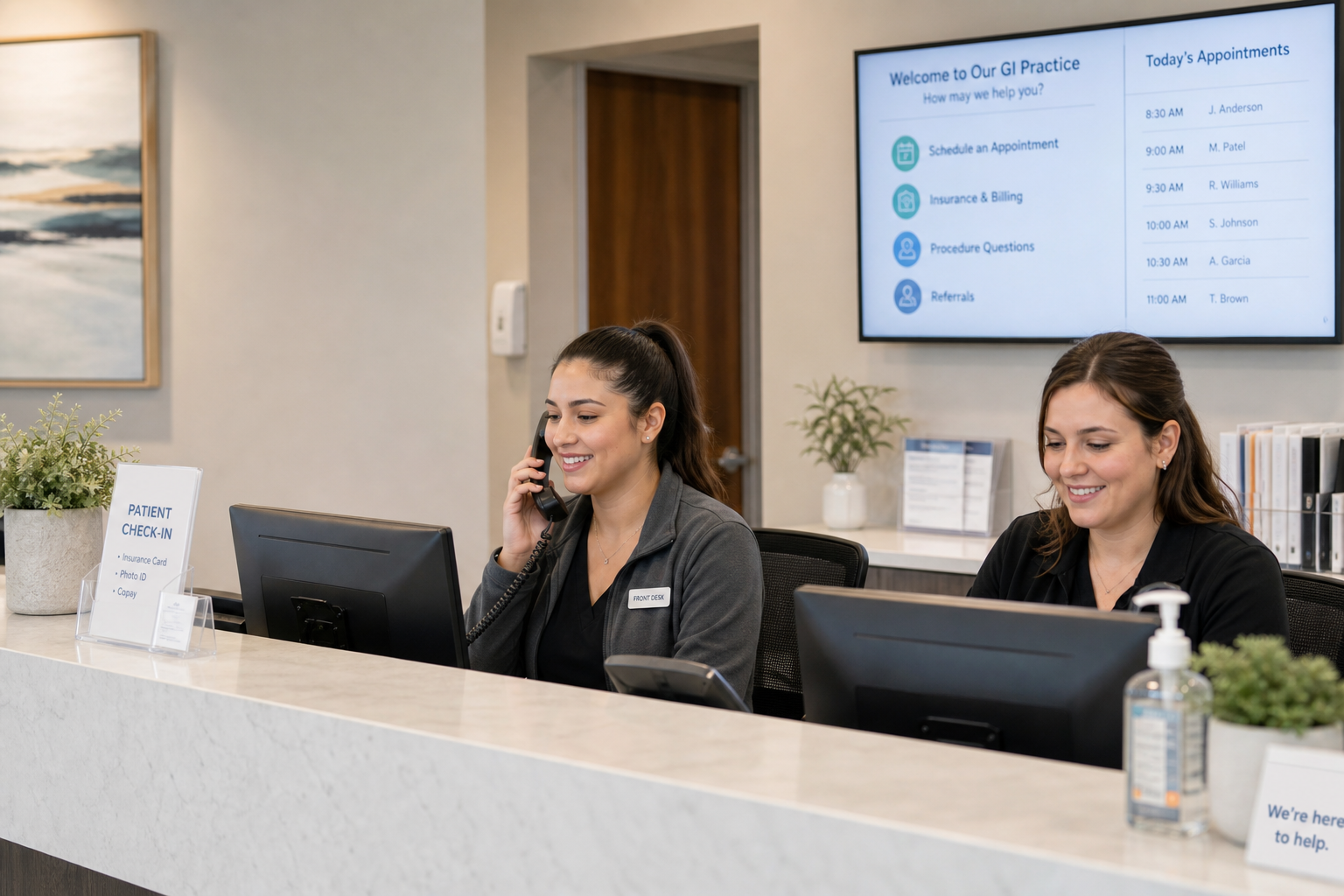
Compare 4 voice AI vendors for GI practices on colonoscopy scheduling, benefits verification, and prior auth calls. See which ones stop at booking.

Compare 5 AI voice agents for ENT and allergy practices. See which handle scheduling and the payer calls for prior auth and benefits checks.

Best AI agents for orthopedic practices compared on prior auth, outbound payer calling, and billing. Only 1 vendor resolves 60%+ of calls end-to-end.


